
Peshawar High Court Sets Hearing on Khyber Pakhtunkhwa Governance Petitions
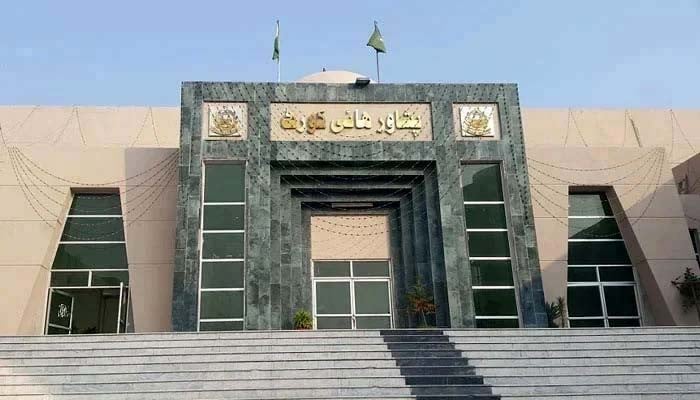
The Peshawar High Court has slated an October 20 hearing to review legal challenges against prospective federal emergency measures and governor's rule in Khyber Pakhtunkhwa.
The Core Development
The Peshawar High Court (PHC) has scheduled a formal hearing for October 20 to adjudicate a constitutional petition filed by the Pakistan Tehreek-e-Insaf (PTI) leadership against the prospective imposition of financial emergency or governor's rule in Khyber Pakhtunkhwa. The petition, submitted through senior legal counsel, seeks pre-emptive judicial intervention to forestall any executive order issued by the federal government under Article 232 or Article 234 of the Constitution of Pakistan.
Legal representatives representing the provincial administration contend that ongoing political friction between the federation and the Khyber Pakhtunkhwa government has generated unfounded administrative maneuvers aimed at dislodging the elected provincial setup. The federal authorities, conversely, have cited concerns surrounding fiscal compliance, law and order dynamics, and administrative friction between state institutions as grounds justifying heightened central oversight. The forthcoming proceedings before a division bench of the PHC are set to scrutinize the constitutional limits of federal emergency powers vis-a-vis provincial autonomy post-Eighteenth Amendment.
Commercial & Economic Implications
The deepening institutional friction between Islamabad and Peshawar carries direct ramifications for wholesale commerce, logistics, and retail distribution across Khyber Pakhtunkhwa and adjacent tribal districts. Sustained political uncertainty undermines local fiscal governance, stalling key procurement contracts, public sector development program (PSDP) disbursements, and provincial infrastructure projects essential to commercial transport corridors.
For regional retail and wholesale operators, administrative paralysis threatens border-trade logistics through the Torkham corridor, which remains pivotal for bilateral commerce with Afghanistan and transit access to Central Asian republics. Distribution hubs operating out of Peshawar, Nowshera, and Swabi face operational ambiguities regarding provincial tax harmonisation, municipal levies, and regulatory enforcement. Should direct federal rule materialize, secondary shocks could depress localized private capital expenditure, elevate regional risk premiums for supply chain financiers, and disrupt commodity inflows into primary wholesale grain and FMCG markets.
Related Intelligence: Argentina University Funding Crisis Deepens as Courts Penalize Milei Administration
Stakeholder Perspectives & Market Reactions
Regional trade bodies, including the Sarhad Chamber of Commerce and Industry (SCCI), have repeatedly articulated apprehension regarding political confrontation impacting the provincial business climate. Commercial representatives argue that persistent institutional instability dampens cross-border cargo clearance, delays commercial dispute settlements, and exacerbates liquidity constraints among local commercial distributors.
Constitutional jurists point out that invoked mechanisms under Articles 232 and 234 require stringent legislative ratification and sustained evidential thresholds of executive breakdown. Corporate legal experts emphasize that unilateral federal intervention without parliamentary consensus frequently invites protracted Supreme Court litigation, prolonging market volatility. Meanwhile, financial analysts note that regional equities and sovereign debt metrics remain sensitive to constitutional deadlocks that divert federal policy bandwidth away from macroeconomic stabilization targets.
Forward Outlook & Key Watchpoints
The October 20 hearing at the Peshawar High Court will serve as a critical bellwether for Pakistan's intergovernmental federal framework. Market participants and legal observers will closely monitor whether the high court issues injunctive relief restraining federal executive intervention or refers specific constitutional queries to a larger judicial bench.
Key watchpoints over the near term include the federal cabinet's formal posture during court submissions, the continuity of revenue-sharing mechanisms via the National Finance Commission awards, and law-enforcement operational directives across the province. Until clear jurisdictional boundaries are reaffirmed, commercial actors across Khyber Pakhtunkhwa are expected to maintain defensive inventory positions, delay significant non-essential capital investments, and closely track courtroom determinations.
Join Our Official WhatsApp Channel
Receive live commodity alerts, policy changes, and commercial intelligence directly on WhatsApp.