
Pakistan Rebukes Indian Defence Threats Amid Heightened Regional Border Tensions
Pakistan's Foreign Office has vehemently condemned belligerent remarks made by India's defence minister. The resulting geopolitical posturing threatens macroeconomic stability and deepens structural frictions across regional trade supply chains.
The Core Development
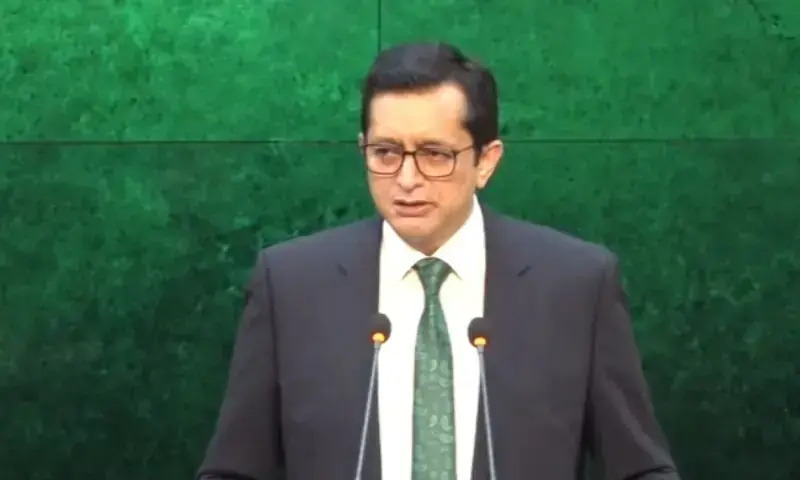
The Ministry of Foreign Affairs in Islamabad issued a formal, categorical condemnation on Friday in response to provocative public statements delivered by Indian Defence Minister Rajnath Singh. The confrontation escalated following Singh's address earlier in the week, wherein he warned that any perceived cross-border hostile activity would trigger an Indian military strike significantly exceeding the scale of past incursions. Addressing reporters during the scheduled weekly media briefing, Pakistan Foreign Office Spokesperson Sajjad Haider Khan articulated Islamabad's unequivocal rejection of the threats, characterizing the narrative as reckless, destabilizing, and indicative of an entrenched hegemonistic mindset within New Delhi's political leadership.
Diplomatic observers emphasize that such incendiary rhetoric frequently correlates with domestic electoral cycles and strategic posturing within India. However, the operational reality along the Line of Control (LoC) remains precarious. Khan emphasized that Pakistan possesses the capability, resolve, and institutional preparedness to defend its sovereign territory against any foreign aggression, reminding regional stakeholders of Islamabad's calibrated and effective military response during the February 2019 aerial skirmishes. The verbal confrontation represents the sharpest bilateral friction witnessed in recent months, dampening hopes for a structured diplomatic thaw.
Commercial & Economic Implications
While direct overland commercial traffic between Pakistan and India has remained effectively frozen since Islamabad downgraded bilateral ties in August 2019, recurring rhetorical escalations carry severe consequences for Pakistan's national economy. Heightened sovereign geopolitical risk directly influences external financing costs, credit ratings, and currency volatility. At a juncture where Pakistan is navigating stringent structural adjustment benchmarks under the International Monetary Fund (IMF) Extended Fund Facility, border instability elevates perceived investor risk, threatening external foreign direct investment (FDI) inflows.
Furthermore, heightened regional posturing impacts broader commercial supply chains across South Asia. Maritime freight through Arabian Sea corridors faces recurring upward pressure on cargo war-risk insurance premiums whenever bilateral militarization warnings flare up. For Pakistan's domestic wholesale distribution networks and retail sectors, prolonged regional hostility perpetuates costly indirect trade routes. Critical industrial inputs, including active pharmaceutical ingredients (APIs), specialty agricultural chemicals, and processing machinery, continue to reach Pakistani ports via costly circular routing through hubs like Dubai, Singapore, and Colombo, embedding an estimated 15 to 25 percent freight and handling premium that is ultimately passed down to domestic consumers in the form of higher wholesale prices.
Related Intelligence: New Delhi Imposes Security Clampdown Amid Youth-Led Opposition Protests
Stakeholder Perspectives & Market Reactions
Domestic capital markets reacted with cautious restraint, with the Pakistan Stock Exchange (PSX) showing marginal intraday fluctuations as institutional investors weighed geopolitical rhetoric against prevailing macroeconomic indicators. Commercial banking analysts and risk managers noted that recurrent political friction preserves an elevated sovereign risk spread on Pakistan's international Eurobonds and sovereign paper, dampening short-term secondary market valuations.
Business advocacy groups, including the Federation of Pakistan Chambers of Commerce and Industry (FPCCI) and regional merchant associations, have reiterated their concerns regarding prolonged regional alienation. Leading wholesale commodity importers note that sustained geopolitical animosity eliminates the prospect of low-cost cross-border transport of essential raw commodities, forcing local industrial processors to maintain larger buffer inventories at inflated working capital financing costs. Legal and geopolitical analysts concurrently observed that New Delhi's rhetoric poses challenges to multilateral mechanisms, specifically complicating water-sharing oversight under the Indus Waters Treaty and regional security cooperation protocols.
Forward Outlook & Key Watchpoints
In the near-to-medium term, market participants and policy monitors should watch for potential reciprocal escalations along the working boundary and the Line of Control, which would signal an operational shift beyond routine political rhetoric. Diplomatic engagement is expected to remain largely restricted to multilateral forums, including United Nations sessions and Shanghai Cooperation Organisation (SCO) working groups, with zero immediate prospects for high-level bilateral trade discussions.
Pakistani commercial enterprises and wholesale supply chain operators must structure operational contingencies around persistently elevated logistics costs. The key watchpoints over the coming quarters include changes to maritime commercial shipping security classifications in the Arabian Sea, adjustments to sovereign risk assessments by global rating agencies, and the trajectory of domestic inflationary pressures influenced by intermediate import costs through indirect maritime routes.
Join Our Official WhatsApp Channel
Receive live commodity alerts, policy changes, and commercial intelligence directly on WhatsApp.