
Gaza Famine Threat Escalates as Aid Reductions Align With Border Restrictions
Severe food insecurity intensifies across Gaza as planned international humanitarian budget cuts coincide with ongoing border restrictions, triggering grave warnings from multilateral agencies regarding systemic collapse.
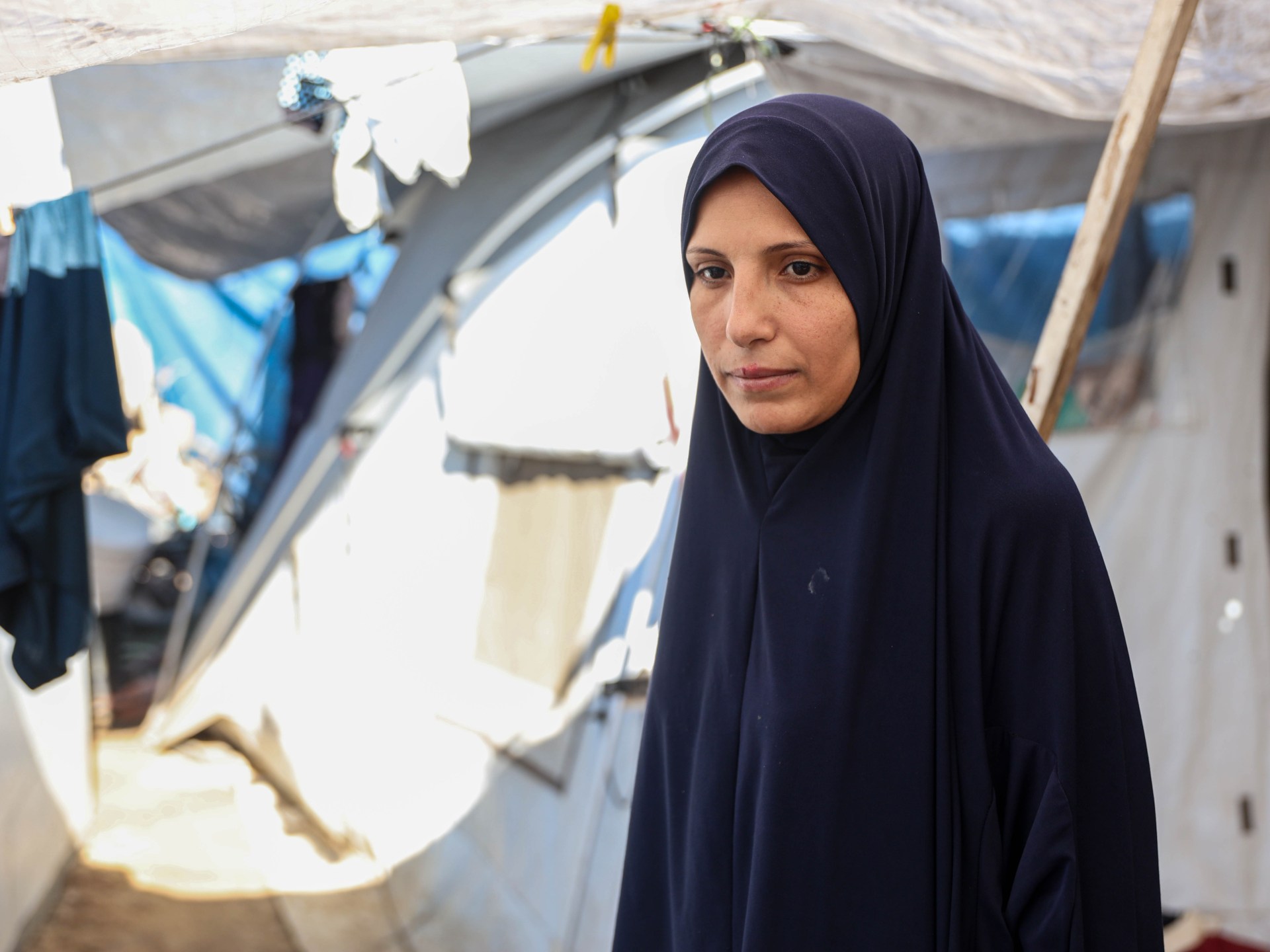
Geopolitical & Core Developments
The humanitarian landscape across the Gaza Strip has entered an acutely critical phase as severe institutional budget shortfalls intersect with prolonged logistical bottlenecks at regional entry points. Displaced civilian populations facing protracted conflict conditions are experiencing sharp declines in basic caloric intake, compounding an already fragile situation. Relief agencies, operating under severe fiscal strain due to shifted international donor allocations and delayed pledged contributions, are being forced to reduce standard food rations and nutritional support initiatives. Concurrently, inspection regimes, security clearances, and operational constraints at transit checkpoints continue to choke the physical volume of essential commodities entering the enclave, creating an unsustainable deficit between civilian survival thresholds and daily intake of life-saving goods.
State actors across the Middle East, together with key Western capitals, remain locked in contentious diplomatic impasses concerning corridor logistics, security oversight, and broader ceasefire frameworks. The operational capacity of major relief apparatuses, including United Nations agencies, has been severely compromised by infrastructural destruction, localized security hazards, and strict administrative hurdles. The convergence of diminished international capital flow with structural land-route blockages has elevated warnings of full-scale famine from theoretical projections to imminent operational realities for millions of displaced individuals.
Global Trade & Economic Ripples
While the crisis in Gaza presents an immediate humanitarian catastrophe, its secondary commercial effects continue to reverberate across the eastern Mediterranean and adjacent trade corridors. Commercial shipping networks transiting the Red Sea and Suez Canal remain altered due to sustained regional tensions linked directly to the ongoing hostilities. Freight carriers continue to re-route substantial volumes of bulk agricultural goods and energy shipments around the Cape of Good Hope, sustaining elevated transit times and adding notable operational expenditure per voyage.
These rerouted shipping lanes have placed persistent upward pressure on maritime insurance risk premiums and regional bunker fuel expenditures. Furthermore, the disruption has generated friction in regional agricultural and staple food procurement. Countries bordering the Levant face altered import logistics, higher domestic transport overheads, and fluctuations in local currency-denominated commodity pricing. The broader economic drag reinforces market uncertainty across Mediterranean logistics hubs, impacting both bulk dry goods movements and perishable supply chains across North Africa and the Middle East.
Related Intelligence: Exiled Rwandan Dissident Beheaded in Uganda Sparks Regional Security Tensions
International Reactions & Diplomatic Stances
Multilateral bodies have issued stern assessments of the escalating disaster. Representatives from the United Nations Office for the Coordination of Humanitarian Affairs (OCHA) and the World Food Programme (WFP) have underscored that administrative blockades and funding shortages threaten to trigger irreversible human mortality rates. UN officials have repeatedly demanded the immediate lifting of bureaucratic and military constraints on commercial logistics corridors, urging donor states to fulfill financial obligations immediately.
European Union foreign policy representatives and key Arab League members have amplified calls for unrestricted, high-volume aid channels, warning that continued deprivation violates international humanitarian standards and further destabilizes the regional security architecture. Conversely, Israeli authorities maintain that security screening procedures remain necessary to prevent cargo diversion, attributing logistical failures to distribution bottlenecks inside the enclave. Meanwhile, market analysts emphasize that prolonged economic decoupling in the Levant continues to deter long-term regional foreign direct investment.
Strategic Outlook & Future Scenarios
The medium-term trajectory of the humanitarian landscape hinges on whether multilateral diplomatic efforts can establish sustained humanitarian corridors decoupled from tactical military dynamics. If current logistical restrictions persist alongside agency budget contractions, catastrophic mortality indicators linked to severe malnutrition and disease outbreaks are projected to escalate rapidly. Such an outcome would likely trigger heightened legal scrutiny at international tribunals and intensify political pressure on Western governments to condition bilateral support. Conversely, the implementation of monitored commercial access points and emergency liquidity injections could temporarily avert mass starvation, though long-term regional stability remains unobtainable without a comprehensive structural resolution to the underlying political conflict.
Join Our Official WhatsApp Channel
Receive live commodity alerts, policy changes, and commercial intelligence directly on WhatsApp.