
Gaza Escalation Deepens Middle East Instability and Commercial Risk
Renewed Israeli military operations across Gaza deepen regional instability, elevating commercial risks for international shipping lanes and global energy markets amid stalled diplomatic negotiations.
Geopolitical & Core Developments
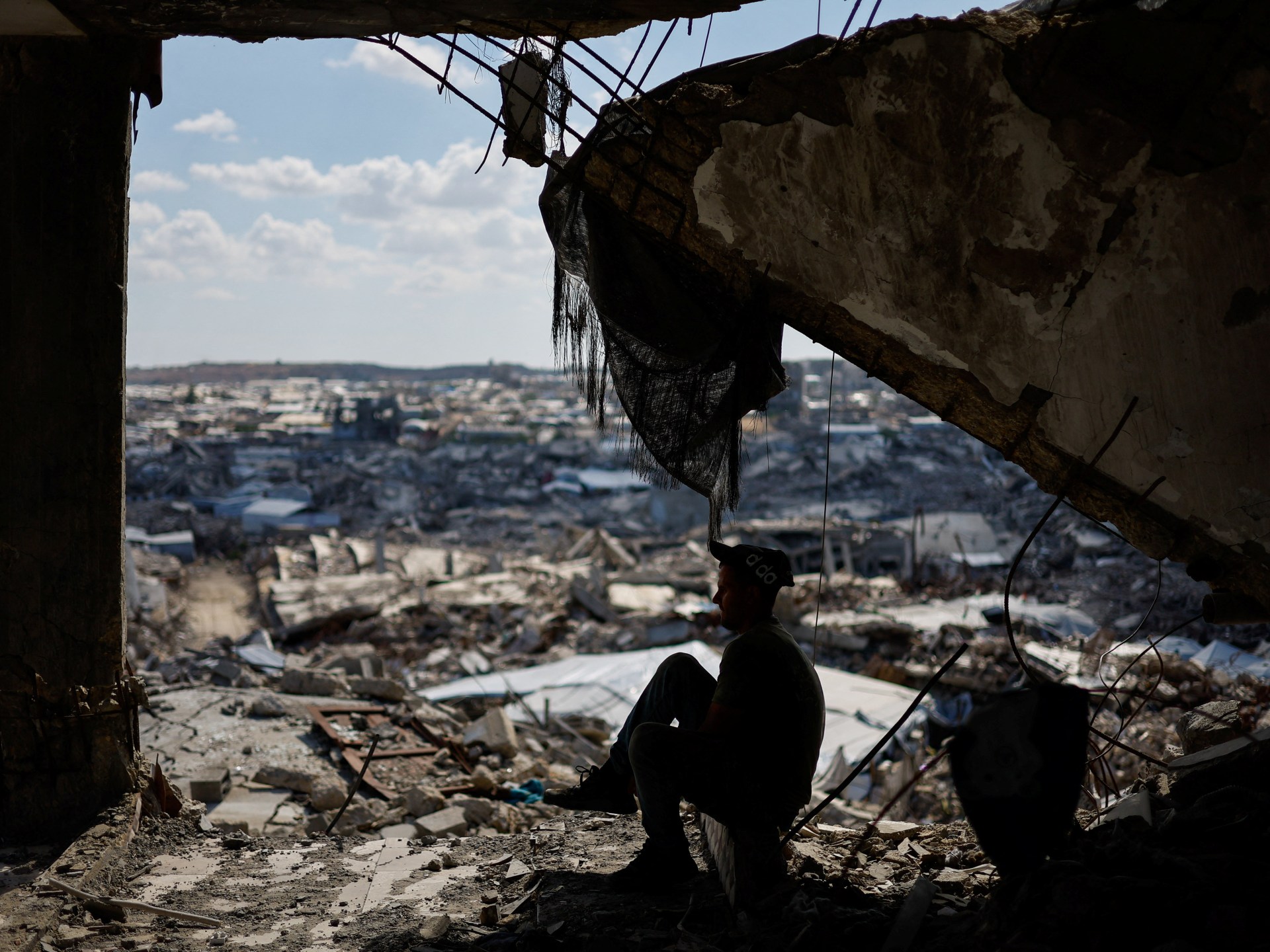
The ongoing conflict in the Middle East reached a grim milestone as fresh Israeli air strikes across the Gaza Strip killed at least four Palestinians, including a volunteer rescue worker with the Palestinian Civil Defence in the northern sector of the enclave. The targeted strike on emergency personnel underscores the perilous conditions faced by first responders operating in active combat zones, where infrastructure has been systematically degraded over months of intensive hostilities.
From a strategic perspective, these developments illustrate the intractable nature of the current military campaign. Despite mounting international pressure for a durable ceasefire, state actors and military commands remain deadlocked. The operational tempo in northern Gaza suggests that the Israel Defense Forces are maintaining high-intensity pressure to dismantle remaining militant infrastructure, while local populations bear the brunt of the humanitarian catastrophe.
Diplomatic channels mediated by regional and international stakeholders, including Qatar, Egypt, and the United States, continue to face severe friction. Fundamental disagreements over permanent troop withdrawals, hostage releases, and the future governance of the Gaza Strip have stalled negotiations. As tactical military objectives supersede diplomatic breakthroughs, the risk of a protracted war of attrition increases exponentially, drawing regional militia networks and external powers deeper into a volatile orbit.
[Global Trade](/news/gaza-three-years-destruction-economic-impact-kalyar-traders) & Economic Ripples
While the direct human cost is concentrated in the Levant, the commercial and economic repercussions of the sustained conflict resonate across global commodity markets and maritime trade networks. The risk premium embedded in international shipping and energy markets has remained stubbornly elevated, driven by persistent fears of a broader regional conflagration involving key producers in the Persian Gulf.
Although major crude oil fields remain physically untouched by the immediate fighting, the security environment surrounding vital maritime choke points has deteriorated. Disruptions and security threats in the Red Sea and the Gulf of Aden continue to force major container shipping lines and energy tankers to reroute around the Cape of Good Hope. This diversion adds substantial transit days, inflates freight rates, and strains global supply chains, ultimately feeding inflationary pressures across advanced and developing economies alike.
Furthermore, investor sentiment regarding Middle Eastern sovereign debt and regional foreign direct investment has soured. Multinational corporations operating in sectors ranging from logistics to technology are re-evaluating their exposure to the Eastern Mediterranean, prompting a defensive reallocation of capital toward safer jurisdictions and bolstering safe-haven currencies.
Related Intelligence: Gaza After Three Years: Economic Devastation and Global Trade Impact
International Reactions & Diplomatic Stances
The international community has expressed profound alarm over the ongoing casualties among civilian and humanitarian personnel. United Nations agencies have repeatedly reiterated that attacks on rescue workers and civilian infrastructure violate international humanitarian law, calling for independent investigations and immediate, unhindered humanitarian access to northern Gaza.
Western capitals have maintained a delicate balancing act, reiterating support for Israel's security while simultaneously ramping up warnings regarding the severe humanitarian toll and the necessity of protecting non-combatants. Conversely, nations across the Global South, alongside multilateral bodies such as the Arab League, have intensified criticism of Western policy consistency, demanding more assertive punitive measures against ongoing military actions.
Market analysts from leading financial institutions note that institutional investors are increasingly pricing in a prolonged geopolitical stalemate. Multilateral bodies warn that without a binding multilateral framework to enforce humanitarian corridors and restart peace talks, economic fragmentation and supply chain vulnerabilities will become permanent fixtures of the global trade landscape.
Strategic Outlook & Future Scenarios
Looking ahead, the trajectory of the conflict points toward persistent low-intensity friction punctuated by high-impact tactical engagements. Upcoming international summits and diplomatic forums will likely focus on emergency aid delivery rather than comprehensive political settlements, reflecting the deep diplomatic polarization among permanent members of the United Nations Security Council.
Key escalation points to monitor include potential spillover effects on the northern border involving regional militant groups, which could trigger a wider regional war capable of severely restricting international energy flows through the Strait of Hormuz. For multinational enterprises and commodity traders, risk management strategies must account for a permanently higher baseline of geopolitical volatility, necessitating diversified supply chains and robust contingency planning for maritime logistics.
Join Our Official WhatsApp Channel
Receive live commodity alerts, policy changes, and commercial intelligence directly on WhatsApp.