
US Military Aid to Israel Persists Amid Shifting Domestic Sentiment
Washington maintains steady arms transfers to Israel despite shifting public opinion, keeping regional geopolitical tensions high and impacting global commodity risk assessments.
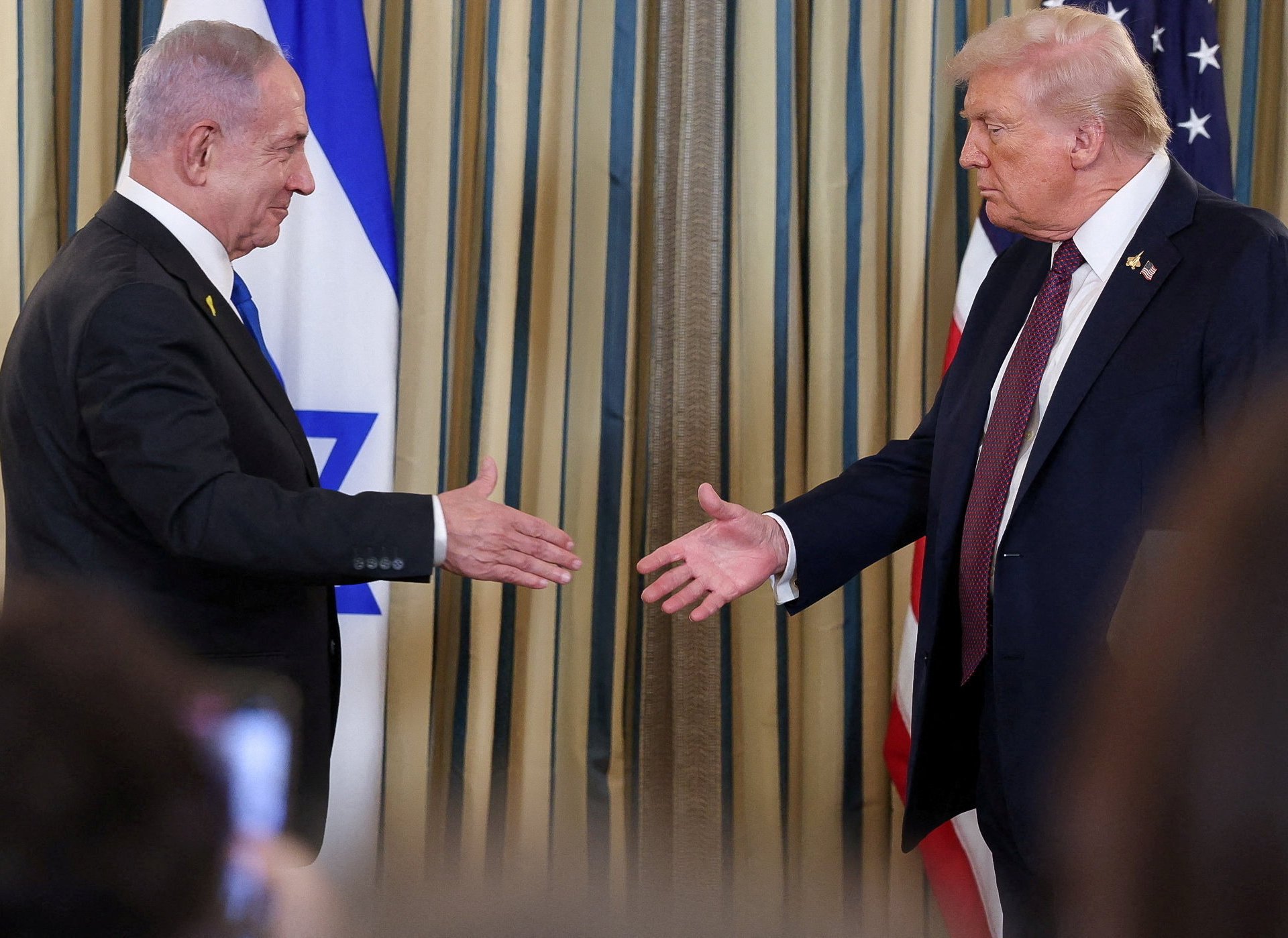
Geopolitical & Core Developments
Three years into the protracted conflict in Gaza, the strategic military partnership between the United States and Israel remains fundamentally unaltered. Washington continues to supply advanced weaponry, munitions, and strategic intelligence sharing, operating under long-standing bilateral defense commitments. This unwavering logistical and diplomatic backing persists even as the humanitarian toll mounts and international scrutiny intensifies at the United Nations and other multilateral forums.
However, this steadfast stance unfolds against a backdrop of evolving domestic dynamics within the United States. Recent polling data indicates a noticeable shift in American public sentiment, particularly among younger demographics and progressive political factions, who increasingly question unconditional military assistance. Despite this domestic friction, executive branch policy and congressional appropriations have largely insulated the core mechanisms of military aid from immediate structural disruption, highlighting the deep-seated bipartisan architecture of the US-Israel strategic alliance.
[Global Trade](/news/gaza-three-years-destruction-economic-impact-kalyar-traders) & Economic Ripples
The prolonged nature of the conflict and the persistence of substantial US military involvement continue to cast a shadow over international commerce and commodity markets. While direct supply shocks have been localized, the broader Middle East remains a high-risk zone for global trade, particularly concerning maritime transit through vital chokepoints like the Red Sea and the Bab el-Mandeb strait. Houthi maritime disruptions, undertaken in solidarity with Gaza, have forced major container shipping lines to reroute vessels around the Cape of Good Hope.
These extended transit times have driven up global freight rates, added pressure to international supply chains, and introduced inflationary elements into dry bulk and energy shipping. Furthermore, energy markets remain highly sensitive to regional escalation risks. Although crude oil prices have fluctuated based on broader macroeconomic supply and demand metrics, traders continue to price in a persistent geopolitical risk premium, directly linked to the potential expansion of hostilities involving regional state actors and proxy groups backed by Tehran.
Related Intelligence: Gaza Escalation Deepens Middle East Instability and Commercial Risk
International Reactions & Diplomatic Stances
The persistence of uninterrupted US military aid has drawn sharp criticism from international bodies, human rights organizations, and several traditional Western allies. United Nations agencies have repeatedly warned that the sustained influx of heavy weaponry exacerbates civilian suffering and undermines multilateral efforts to broker a durable ceasefire. European capitals find themselves in an increasingly delicate diplomatic position, attempting to balance historic alliances with Washington against domestic legal and ethical imperatives regarding arms exports in active conflict zones.
Market analysts and geopolitical risk consultancies note that this diplomatic divergence creates friction within Western coalitions, potentially limiting the effectiveness of coordinated international sanctions or diplomatic pressure. Developing economies, particularly across the Global South, have pointed to perceived double standards in Western foreign policy, a dynamic that continues to complicate broader multilateral cooperation on unrelated global challenges, ranging from debt restructuring to climate finance.
Strategic Outlook & Future Scenarios
Looking ahead, the trajectory of US military assistance and its broader geopolitical fallout will depend heavily on domestic political shifts in Washington and the potential for wider regional escalation. Upcoming electoral cycles and evolving congressional dynamics could introduce new legislative oversight mechanisms or conditional requirements on military packages, even if a total cutoff remains politically unlikely in the near term.
Simultaneously, commercial operators and commodity traders must prepare for a prolonged environment of heightened maritime risk in the Middle East. As long as diplomatic pathways to a comprehensive peace remain blocked, global supply chains will need to absorb the structural inefficiencies of rerouted shipping lanes and sustained insurance premiums. For international markets, the situation serves as a stark reminder of how entrenched geopolitical conflicts can permanently alter the baseline cost of global trade and logistics.
Join Our Official WhatsApp Channel
Receive live commodity alerts, policy changes, and commercial intelligence directly on WhatsApp.