
Three Years of War in Gaza Reshapes Middle East Geopolitics and Global Trade
Entering its third year, the conflict in Gaza has triggered profound geopolitical realignments, sustained humanitarian displacement, and severe disruptions across vital international trade and energy corridors.
Geopolitical & Core Developments
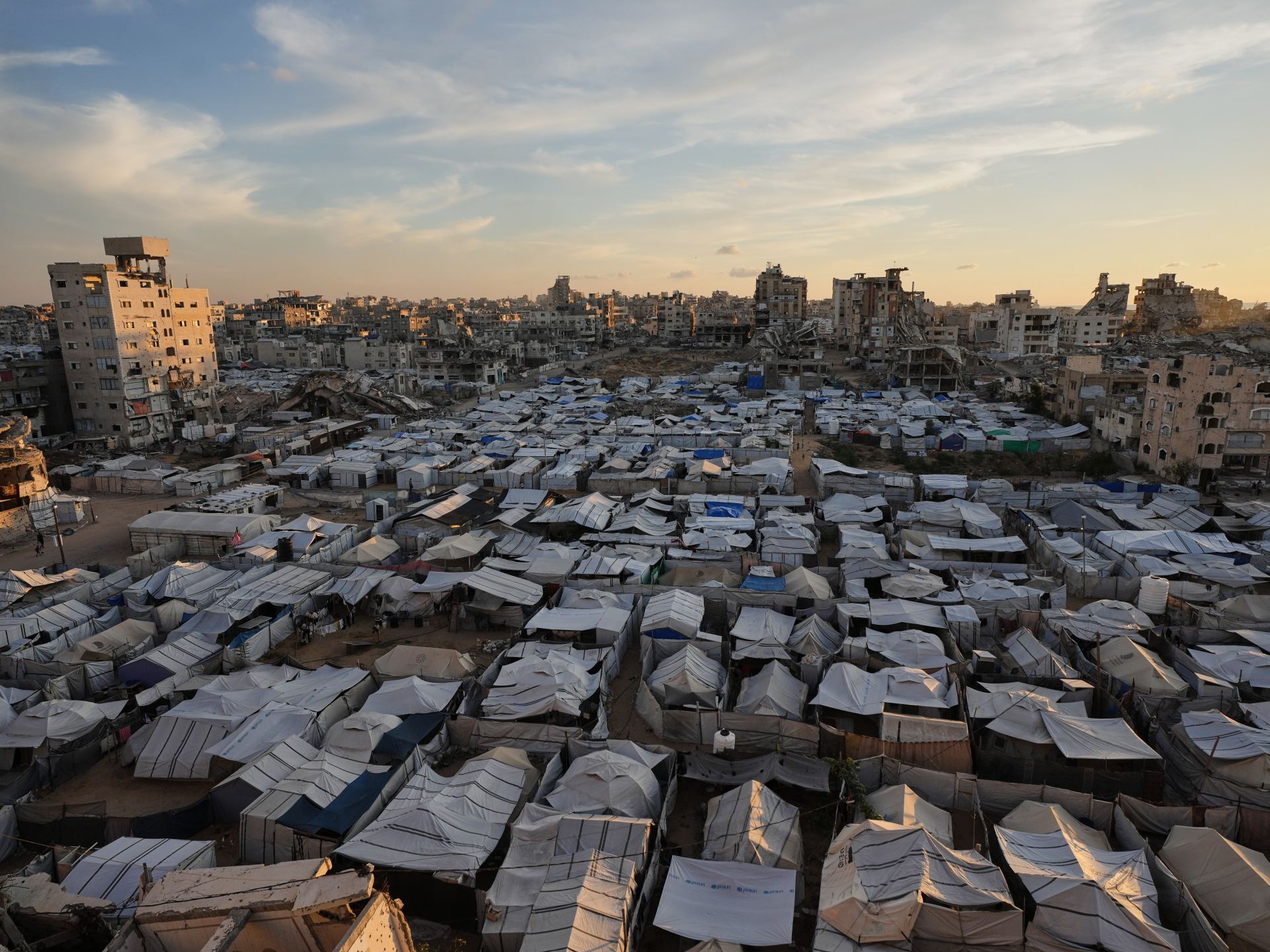
The conflict in Gaza has entered its harrowing third year, transforming the enclave into an expansive landscape of tent cities, ruin, and perpetual displacement. What began as a localized escalation has metastasized into a defining structural crisis for the Middle East, fundamentally altering regional security architectures and testing the limits of international diplomacy. State actors across the Levant and the Gulf find themselves navigating a precarious diplomatic tightrope, balancing domestic pressures against the imperative of preventing a wider regional conflagration. Strategic stakes have escalated significantly as proxy networks, state militaries, and intelligence apparatuses remain locked in a protracted war of attrition. Peace talks, mediated intermittently by regional and international powers, repeatedly founder over core disagreements regarding governance, security control, and the timeline for reconstruction. The humanitarian catastrophe, characterized by widespread infrastructure collapse and acute scarcity, continues to galvanize global public opinion while exposing deep fault lines within multilateral governance structures.
[Global Trade](/news/west-bank-dispossession-accelerates-global-trade-security-risks) & Economic Ripples
Beyond its devastating human toll, the protracted conflict exerts a profound drag on global commerce, energy markets, and supply chain stability. The geographical proximity of the conflict zone to critical maritime chokepoints has introduced severe volatility into international logistics. Security threats emanating from regional escalations have forced major shipping lines to reroute vessels away from the Red Sea and the Suez Canal, opting instead for the longer passage around the Cape of Good Hope. This mandatory detour has inflated maritime freight rates, extended transit times between Asia and Europe, and injected persistent inflationary pressures into global supply chains. Furthermore, energy markets remain hypersensitive to the risk of supply disruptions in the broader Middle East, keeping crude oil and liquefied natural gas pricing elevated. Industrial manufacturers and commodity traders are absorbing higher input costs, while central banks monitor these geopolitical supply shocks as a complicating factor in the broader macroeconomic landscape.
Related Intelligence: Three Years After October 7: Israel's Political Shift and Global Market Impacts
International Reactions & Diplomatic Stances
The international community remains sharply divided over the trajectory of the conflict and the requisite enforcement mechanisms for lasting stability. Officials at the United Nations have repeatedly issued dire warnings regarding the catastrophic humanitarian conditions, calling for immediate, unhindered humanitarian access and an enduring cessation of hostilities. Western governments maintain a complex diplomatic posture, reiterating commitments to regional security while facing mounting domestic pressure to condition military aid and diplomatic backing on adherence to international humanitarian law. Meanwhile, emerging economies and Global South nations have leveraged multilateral forums to criticize perceived double standards in international law enforcement, advocating for a renewed, credible peace process anchored in Palestinian statehood. Market analysts note that these widening diplomatic fractures are accelerating a broader fragmentation of global trade alliances, as nations increasingly prioritize supply chain resilience and strategic autonomy over traditional multilateral cooperation.
Strategic Outlook & Future Scenarios
Looking ahead, the strategic trajectory of the region remains fraught with danger, with few credible pathways toward a sustainable political settlement in the near term. Upcoming international summits and diplomatic gatherings will likely focus on mitigating spillover risks and establishing temporary humanitarian corridors, though substantive peace negotiations remain stalled. The risk of sudden military escalation along secondary fronts—particularly involving northern borders and maritime routes—remains an acute hazard for global markets. Investors and multinational corporations must prepare for a prolonged period of geopolitical uncertainty, characterized by higher insurance premiums for shipping, structurally elevated energy volatility, and a fractured trade environment where geopolitical alignment increasingly dictates commercial viability.
Join Our Official WhatsApp Channel
Receive live commodity alerts, policy changes, and commercial intelligence directly on WhatsApp.