
Deadly Strikes on Ukraine Trigger Fresh Energy Markets Volatility
Escalating missile strikes across Ukraine kill at least fifteen civilians, prompting severe international condemnation and immediate volatility in European energy commodity markets.
Geopolitical & Core Developments
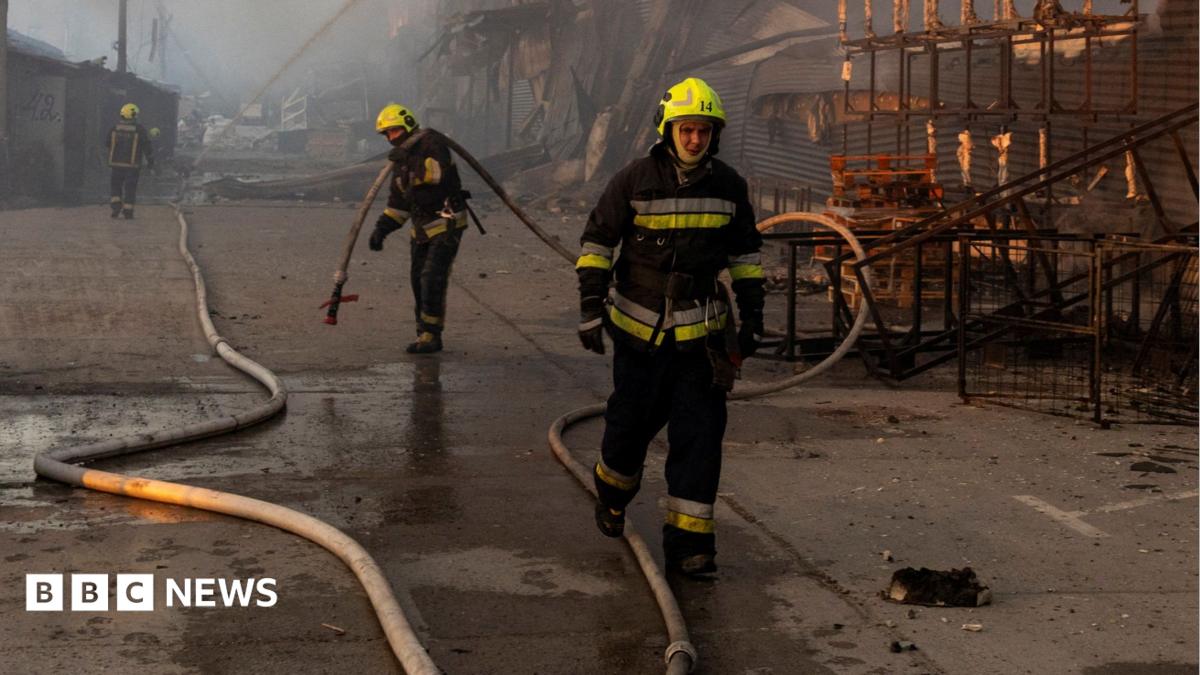
A devastating wave of large-scale missile and drone strikes overnight across multiple Ukrainian regions has left at least fifteen people dead and dozens injured, sparking an intense emergency response and a sharp escalation in regional hostilities. Rescue operations are currently underway in several locations, most notably in Pryluky, where a residential apartment building was directly hit and partially collapsed. Ukrainian President Volodymyr Zelenskyy strongly condemned the assault as a vile and calculated campaign targeting civilian population centers and critical national infrastructure.
The strategic timing of these strikes coincides with a fragile period in regional diplomacy, wherein allied nations are deliberating over enhanced air defense provisions and long-range military capabilities. The coordinated nature of the aerial barrage—utilizing a mix of cruise missiles and loitering munitions—highlights the persistent vulnerabilities in Ukraine's layered defense grid. Military analysts note that state actors involved are increasingly leveraging asymmetric strikes to undermine domestic morale and exert maximum pressure ahead of upcoming seasonal shifts in the conflict.
[Global Trade](/news/three-years-of-gaza-war-reshapes-geopolitics-global-trade) & Economic Ripples
The immediate aftermath of the bombardment sent immediate shockwaves through global commodity markets, particularly European energy and agricultural futures. Energy traders reacted swiftly to the potential threat posed to critical pipeline infrastructure running through Ukrainian territory toward Central Europe. Although physical gas flows remained steady in the hours immediately following the attack, European Title Transfer Facility (TTF) natural gas benchmark prices experienced an intraday surge of over four percent.
Furthermore, the persistent targeting of logistical hubs and transportation corridors introduces renewed friction into global supply chains for Ukrainian agricultural exports, including wheat, corn, and sunflower oil. Insurance premiums for maritime shipping in the Black Sea region have adjusted upward, reflecting heightened risk assessments among underwriters. International shipping firms are closely monitoring the security situation to avoid disruptions along vital export lanes that remain essential for maintaining food security across developing economies in the Middle East and North Africa.
Related Intelligence: Three Years of War in Gaza Reshapes Middle East Geopolitics and Global Trade
International Reactions & Diplomatic Stances
Official responses from multilateral institutions and global capitals were swift and unyielding. The United Nations issued a strong condemnation emphasizing the absolute prohibition of attacks against civilian infrastructure under international humanitarian law. Representatives from the European Union reiterated their unwavering commitment to financial and military support for Kyiv, announcing emergency consultations to accelerate the delivery of advanced surface-to-air defense systems.
Market analysts and geopolitical risk consultancies have adjusted their near-term forecasts, warning that sustained military escalation diminishes the viability of upcoming diplomatic summits aimed at brokering a durable ceasefire. Financial regulators in major economies have placed sovereign debt and currency markets on heightened watch, noting that prolonged hostilities continue to exert inflationary pressures across import-dependent industrial sectors.
Strategic Outlook & Future Scenarios
Looking ahead, the trajectory of the conflict points toward heightened volatility across both diplomatic and commercial spheres. Upcoming international summits will likely focus on tightening economic sanctions against key supply networks supporting the military-industrial complex of the aggressor state, with particular emphasis on secondary sanctions targeting dual-use technology imports.
As winter approaches, the intersection of military strategy and critical infrastructure protection will remain the primary determinant of European energy stability. Commercial entities operating within Eastern and Central European markets are advised to maintain robust contingency protocols, diversify supply chain dependencies, and hedge against potential commodity price spikes driven by unexpected geopolitical escalations.
Join Our Official WhatsApp Channel
Receive live commodity alerts, policy changes, and commercial intelligence directly on WhatsApp.