
Gaza City Strike Underscores Escalating Regional Instability and Market Risks
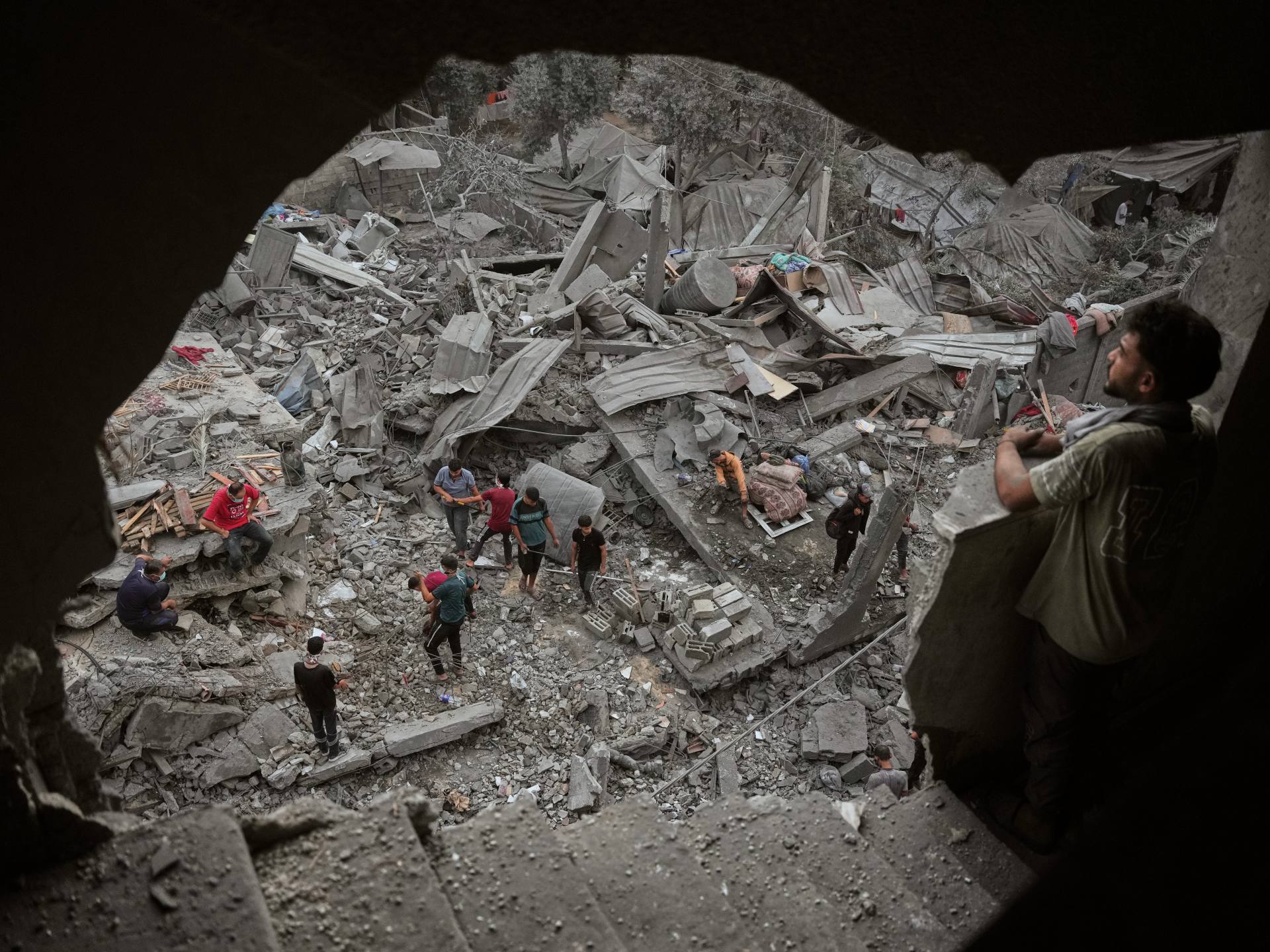
An Israeli airstrike targeting a residential apartment in Gaza City has killed a Palestinian woman and injured her young daughter, complicating ceasefire negotiations and sustaining volatile regional risk premiums across global energy and shipping lanes.
Geopolitical & Core Developments
Military operations in northern Gaza have intensified following an Israeli airstrike that struck a multi-story residential building in Gaza City, killing a Palestinian woman and triggering an extensive structural blaze. Emergency personnel and civil defense teams managed to extract the victim's young daughter from the burning apartment, transporting her to a nearby overwhelmed medical facility for acute treatment. The incident reflects the recurring pattern of urban kinetic operations conducted by the Israel Defense Forces (IDF), which consistently encounter severe civilian exposure amidst the dense population centers of the Gaza Strip.
The strike takes place against a backdrop of prolonged and fragile indirect negotiations coordinated by American, Egyptian, and Qatari mediators. Despite iterative drafts concerning hostage releases and temporary pauses in hostilities, operational tempo on the ground has demonstrated minimal deceleration. Israeli defense officials maintain that targeted strikes are designed to neutralize militant infrastructure embedded within civilian districts, while Palestinian authorities and international observers document the compounding humanitarian toll and the extensive degradation of residential infrastructure across the enclave.
Global Trade & Economic Ripples
While localized in scope, individual strikes within Gaza compound the aggregate geopolitical uncertainty that governs regional energy and shipping corridors. The persistent confrontation between Israel and regional factions maintains an elevated baseline for Brent crude and West Texas Intermediate benchmarks, with market participants pricing in tail-risk scenarios that could involve direct disruption to major energy transit hubs in the Arabian Peninsula and the Strait of Hormuz.
Furthermore, the enduring conflict continues to constrain commercial maritime routing through the Bab el-Mandeb strait and the Southern Red Sea, where regional alignment has led non-state actors to target international merchant vessels. Commercial container carriers, bulk freight operators, and tanker fleets remain largely diverted around the Cape of Good Hope. This rerouting adds between 10 to 14 transit days for Asia-Europe trade, driving up spot freight rates, increasing bunker fuel consumption, and complicating inventory replenishment strategies for global manufacturing and retail supply chains.
Related Intelligence: Pakistan and Russia Move to Finalise Extradition and Security Pacts
International Reactions & Diplomatic Stances
The ongoing civilian casualties resulting from urban strikes have drawn sustained criticism from multilateral organizations and humanitarian monitors. Spokespersons for the United Nations Office for the Coordination of Humanitarian Affairs (OCHA) reiterated that international humanitarian law mandates the strict distinction between combatants and non-combatants, underscoring that residential strikes impose an unacceptable cost on the civilian populace.
Diplomatic pressure on Western capitals continues to mount. European Union foreign policy officials have repeatedly called for immediate adherence to international legal norms, while several member states review defensive material exports and security protocols. Conversely, the United States administration continues to emphasize Israel's sovereign right to self-defense while publicly and privately urging greater tactical restraint and the institutional expansion of humanitarian safe zones to mitigate widespread civilian harm.
Strategic Outlook & Future Scenarios
The strategic trajectory of the conflict remains tied to the feasibility of a comprehensive cessation of hostilities framework. In the near term, tactical military actions within Gaza City and surrounding governorates are likely to persist, complicating the logistical delivery of foreign aid and delaying civil stabilization efforts. The threat of localized urban incidents triggering broader diplomatic walkouts from regional ceasefire forums remains acute.
Should high-casualty incidents persist, international pressure may accelerate toward more formal multilateral mechanisms, including punitive economic measures, altered bilateral security pacts, and increased proceedings before international legal bodies. For international business and commodity traders, baseline projections must account for structurally higher freight insurance rates, persistent maritime security volatility, and recurring supply chain inefficiencies through at least the medium term.
Join Our Official WhatsApp Channel
Receive live commodity alerts, policy changes, and commercial intelligence directly on WhatsApp.