
Trump Announces Energy and Critical Mineral Exploration Push in Greenland
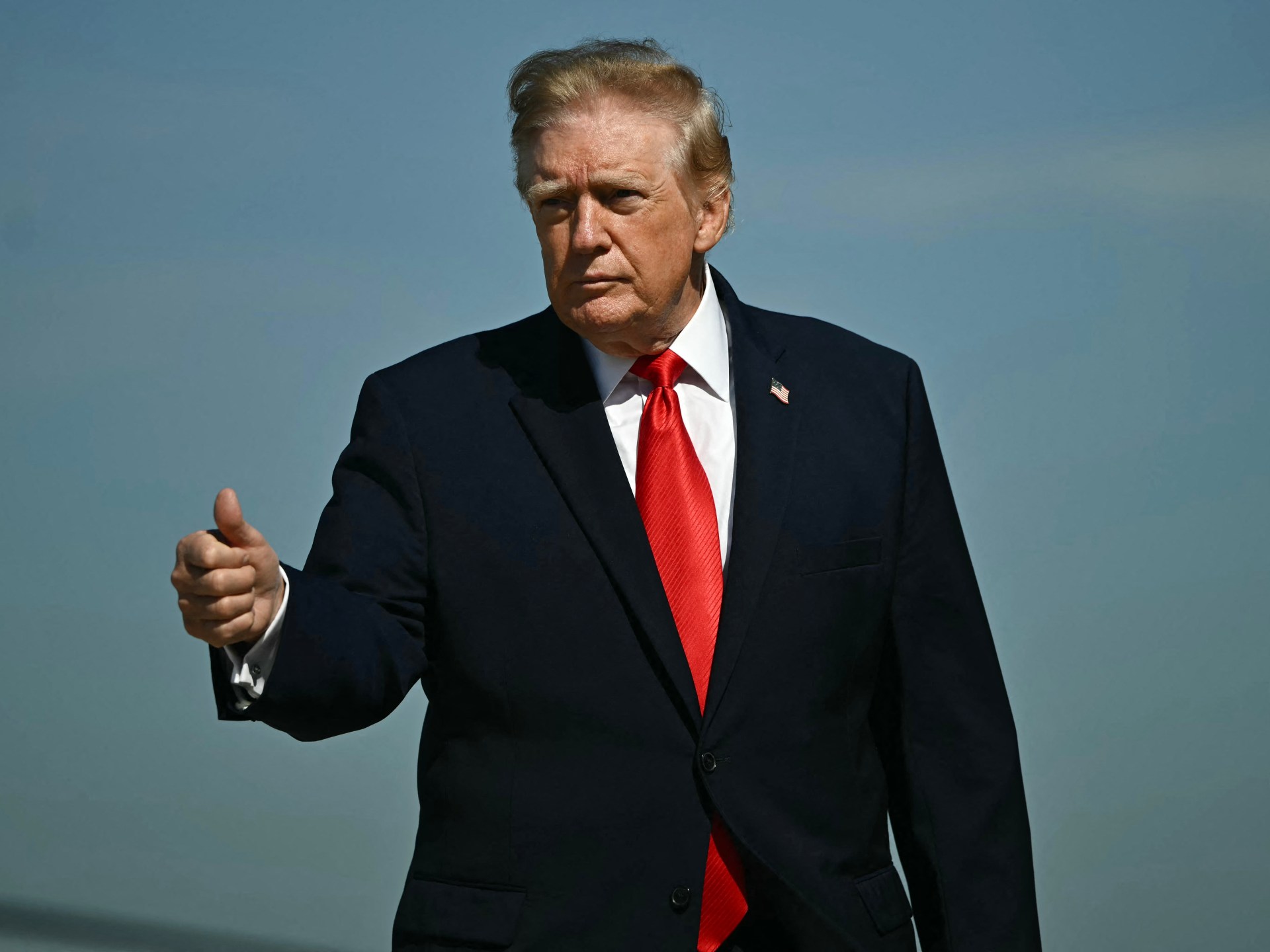
President Donald Trump announced planned oil, gas, and mineral exploration in Greenland, emphasizing the economic and security dividends of recent agreements established between Washington, Copenhagen, and Nuuk.
Geopolitical & Core Developments
The United States administration has unveiled an ambitious strategy to initiate hydrocarbon and critical mineral exploration across Greenland, cementing Washington's determination to establish a decisive presence in the Arctic region. Speaking on the strategic contours of an agreement brokered between the United States, Denmark, and Greenland's autonomous government, President Donald Trump underscored the dual economic and national security advantages conferred by the pact. The maneuver formalizes a long-simmering geopolitical pivot toward the resource-rich Arctic frontier, where receding polar ice caps have accelerated access to both maritime corridors and subterranean mineral wealth.
Washington's renewed commercial and military focus on Greenland reflects a broader policy intended to fortify the North Atlantic Treaty Organization's northern flank while preempting foreign capital investments from Beijing. Nuuk and Copenhagen have sought to balance local sovereignty, ecological preservation, and economic development, even as multilateral tensions over polar sovereignty intensify. By embedding commercial extraction partnerships within a robust defense framework, Washington aims to permanently integrate Greenland into the transatlantic industrial and defense supply perimeter.
Global Trade & Economic Ripples
Greenland holds vast, underdeveloped deposits of rare earth elements, graphite, lithium, and base metals, alongside estimated multi-billion-barrel offshore hydrocarbon reserves. The global transition toward advanced electronics, electric vehicles, and defense manufacturing has heightened supply vulnerability, primarily due to China controlling approximately 70 percent of mined rare earths and over 90 percent of global refining capacity. If successfully commercialized, Greenlandic deposits could diversify Western industrial inputs and diminish dependence on single-source supply networks.
However, commercial extractive operations face steep barriers, including severe climatic constraints, underdeveloped logistics infrastructure, and extreme capital intensity. Global mining majors and energy conglomerates must factor in substantial risk premiums for Arctic operations. In commodity markets, long-term exploration licensing could dampen long-run supply risk pricing across critical minerals, while maritime transport planners anticipate greater demand for ice-class cargo vessels along emerging Northwest Passage lanes.
Related Intelligence: Azerbaijan Hijab Controversy Strains Secular Policy and Strategic Ties with Turkey
International Reactions & Diplomatic Stances
Reactions across European capitals and multilateral bodies reflect a combination of commercial pragmatism and strategic wariness. Officials in Copenhagen reiterated that any operational licensing in Greenland must strictly adhere to the kingdom's constitutional framework and rigorous environmental mandates established by the Inatsisartut, Greenland's parliament. Nuuk's leadership emphasized that the island's economic sovereignty and domestic environmental welfare remain non-negotiable prerequisites for foreign direct investment.
In Beijing, state foreign ministry representatives cautioned against weaponizing trade agreements to shut down foreign competition in polar governance. Observers in Moscow raised concerns regarding NATO's expanding defensive radar coverage and troop deployments in the GIUK (Greenland, Iceland, United Kingdom) gap, reiterating that Russian sovereignty over its Arctic Exclusive Economic Zone will be actively protected. Market analysts at leading commodities research firms note that while technical hurdles to production remain formidable, government-backed underwriting could attract institutional capital despite environmental scrutiny.
Strategic Outlook & Future Scenarios
The trajectory of Greenland's extractive sector hinges on forthcoming environmental assessments, local regulatory approvals, and the specific terms of bilateral investment treaties. In the near term, exploratory surveying and seismic data acquisition will test local community support, with indigenous groups and environmental organizations expected to challenge concessions in regional courts.
Geopolitically, the expansion of commercial operations will mirror an expanded Western security posture at facilities such as the Pituffik Space Base. If global critical mineral prices remain elevated and geopolitical competition accelerates, the Arctic will transition from a marginal economic zone into a contested theater of resource sovereignty and industrial realpolitik.
Join Our Official WhatsApp Channel
Receive live commodity alerts, policy changes, and commercial intelligence directly on WhatsApp.