
Russia Arrests Japanese Journalist on Sakhalin as Bilateral Tensions Escalate
Russia's detention of Japanese journalist Imai Yuki on espionage charges in Sakhalin deepens diplomatic friction between Moscow and Tokyo, raising severe concerns over regional security and critical Far East energy partnerships.
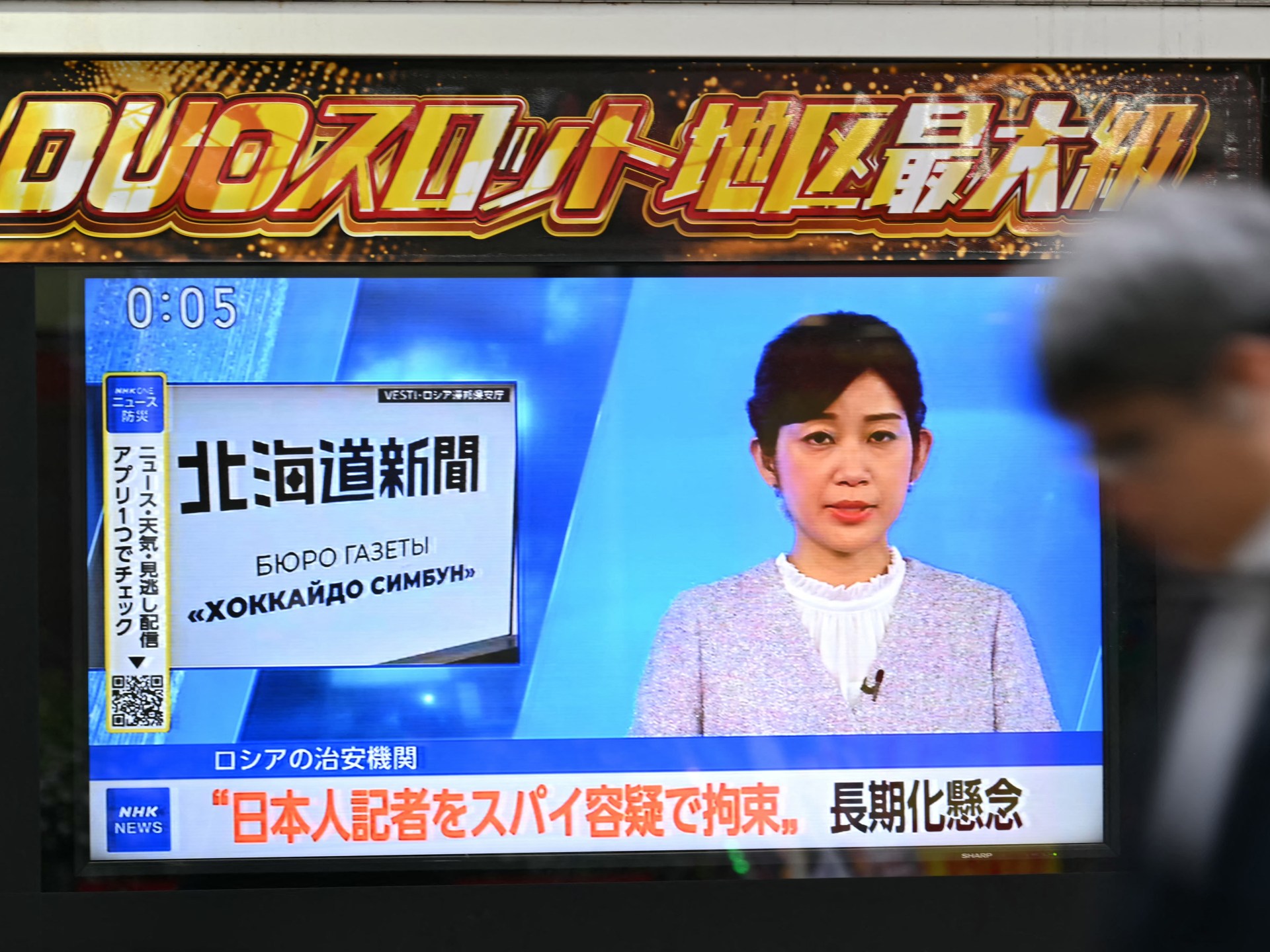
Geopolitical & Core Developments
The Federal Security Service of the Russian Federation (FSB) announced the arrest of Japanese journalist Imai Yuki on the Far Eastern island of Sakhalin, alleging the gathering of intelligence on Russian defense capabilities and border installations. Russian authorities asserted that Yuki had been collecting sensitive information regarding military infrastructure in the strategic Pacific territory, leading to formal espionage proceedings. The detention marks one of the most severe diplomatic flashpoints between Moscow and Tokyo since the onset of the conflict in Ukraine, signaling that the Kremlin is prepared to apply aggressive legal measures against foreign nationals from states designated as unfriendly.
Ties between Japan and Russia have steadily eroded over the past two years following Tokyo's decision to align strictly with Western sanctions regimes. In response to Tokyo's export curbs and diplomatic ostracism, Moscow suspended formal peace treaty talks, which have lingered unresolved since the end of World War II due to competing territorial claims over the Kuril Islands, referred to in Japan as the Northern Territories. Sakhalin, situated adjacent to these contested islands, represents a critical focal point for Russian Pacific Fleet operations and ballistic defense architecture, amplifying Russian sensitivity to foreign observation in the border zone.
Global Trade & Economic Ripples
The escalation carries direct consequences for East Asian energy security and regional trade balances. Sakhalin houses the Sakhalin-2 liquefied natural gas (LNG) project, in which Japanese trading houses Mitsui and Mitsubishi maintain equity stakes. Japan relies on Sakhalin-2 for nearly 9 percent of its domestic LNG requirements, an energy lifeline that Tokyo has vigorously protected despite applying sweeping sanctions across other sectors of the Russian economy.
Increased diplomatic friction elevates the operational and regulatory risks for these remaining commercial concessions. Should Moscow choose to retaliate through administrative nationalization, tightened maritime transit permits, or restricted access to Far Eastern sea routes, Asian LNG spot markets could experience immediate pricing volatility. Furthermore, commercial shipping lanes through the Sea of Okhotsk and the Soya Strait face enhanced naval surveillance, increasing insurance premiums and operational compliance costs for bulk carriers and industrial logistics across Northeast Asia.
Related Intelligence: Israeli Plan to Reopen Route 463 Threatens Ramallah Isolation and Regional Stability
International Reactions & Diplomatic Stances
Japan’s Ministry of Foreign Affairs issued an immediate formal protest, demanding the immediate release and safe repatriation of Yuki, while dismissing espionage allegations as unfounded. Japanese diplomatic envoys in Moscow lodged official representations with the Russian Foreign Ministry, cautioning that arbitrary detentions of media personnel severely degrade consular relations and contradict international diplomatic conventions.
Conversely, Moscow reiterated its sovereign authority to police territorial integrity and protect classified defense data against perceived foreign intelligence operations. Russian state spokespersons framed the incident as a direct consequence of Tokyo’s increasingly militarized defense posture and its integration into United States-led security architectures in East Asia. Multilateral bodies and press freedom organizations expressed alarm over the shrinking space for international reporting within the Russian Federation, warning that foreign correspondents increasingly face operational criminalization.
Strategic Outlook & Future Scenarios
The diplomatic impasse is likely to result in prolonged consular negotiations alongside a broader chill in bilateral interactions. Tokyo will balance public outrage against the practical necessity of securing the release of its citizen while safeguarding long-term LNG supply contracts ahead of seasonal demand spikes. A tit-for-tat expulsion of diplomatic staff remains a probable immediate outcome.
In the medium term, the incident will accelerate Japan's strategic diversification away from Russian hydrocarbon dependencies and solidify Tokyo’s trilateral defense integration with Washington and Seoul. Moscow, in turn, is anticipated to deepen joint maritime drills and economic coordination with Beijing across the Sea of Japan and the Kuril chain. As geopolitical demarcation lines harden across Northeast Asia, Sakhalin and adjacent waterways will remain high-risk theaters of intelligence confrontation and maritime friction.
Join Our Official WhatsApp Channel
Receive live commodity alerts, policy changes, and commercial intelligence directly on WhatsApp.