
Israeli Plan to Reopen Route 463 Threatens Ramallah Isolation and Regional Stability
Israeli authorities are advancing plans to reopen Route 463 for settler traffic, threatening to encircle Ramallah, sever Palestinian supply networks, and exacerbate geopolitical tensions across the West Bank.
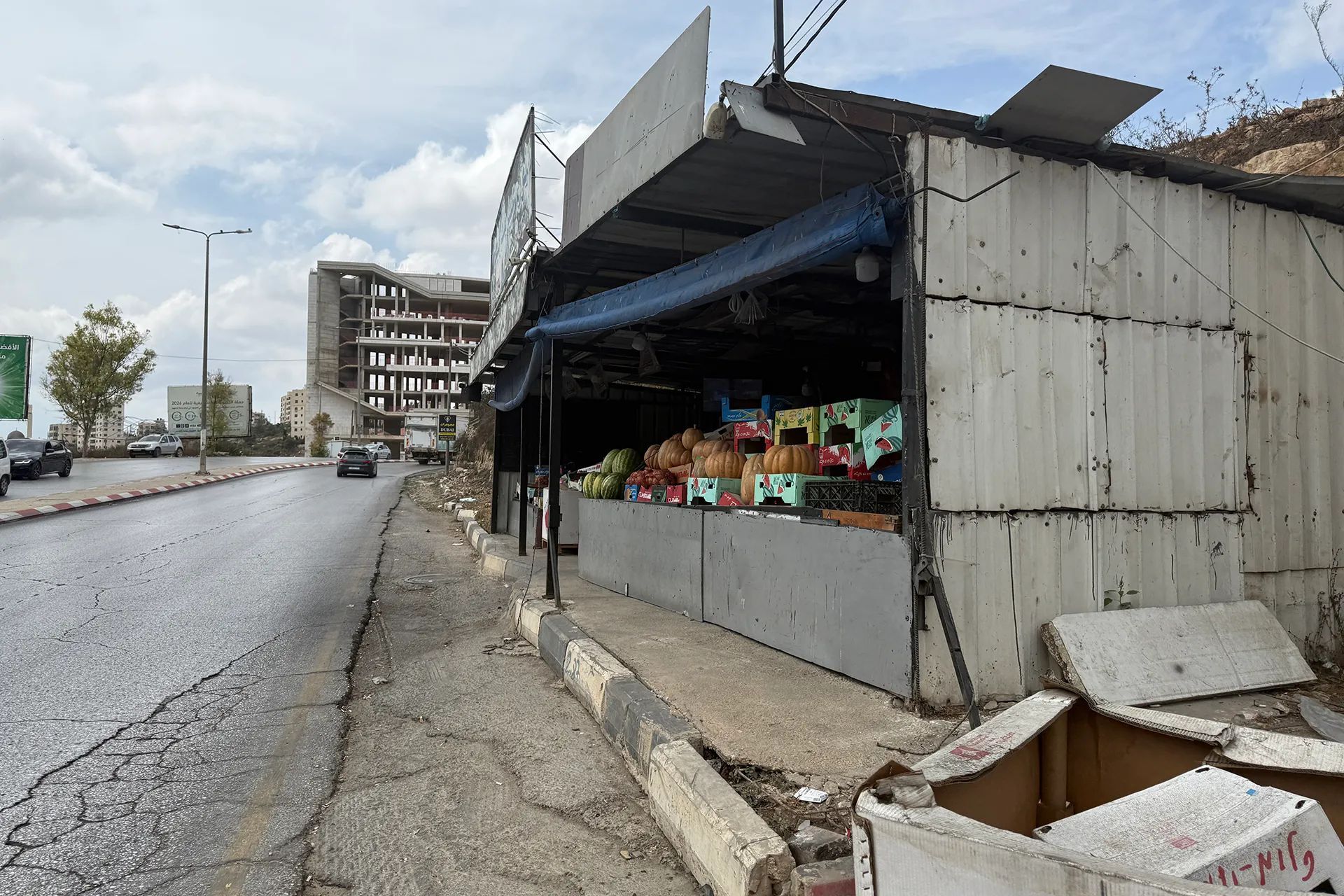
Geopolitical & Core Developments
Tensions across the occupied West Bank are intensifying as Israeli authorities advance strategic plans to reopen Route 463 exclusively or predominantly for Israeli settler transit. The thoroughfare, which cuts through critical junctions northwest of Ramallah, has historically served as a vital arterial link connecting dozens of Palestinian towns and villages to the administrative and financial hub of Ramallah. By designating this infrastructure corridor for settler usage, the plan risks severing direct Palestinian transport links, transforming contiguous territories into isolated geographic enclaves.
Local Palestinian administrative bodies and humanitarian observers warn that the reconfiguration of Route 463 will implement strict physical checkpoints and military barriers, forcing Palestinian passenger and cargo transit onto protracted, circuitous detours. The broader geopolitical framework underscores an accelerating trend of infrastructure-driven demographic shifts across Area C of the West Bank. Analysts argue that controlling arterial transit corridors enables the consolidation of settlement clusters, effectively encircling Ramallah and fragmenting the territorial continuity required for an independent Palestinian state.
Global Trade & Economic Ripples
While the direct footprint of Route 463 is regional, its implications reverberate through wider Middle Eastern commercial ecosystems and risk models. The fragmentation of internal West Bank transport networks substantially elevates logistical overheads for Palestinian agricultural output, manufactured goods, and distribution channels. The resulting inefficiencies increase input costs for basic commodities and constrain intra-regional commerce involving Jordan and broader Levantine markets.
On an international scale, heightened geopolitical friction across the Palestinian territories injects persistent volatility into sovereign risk metrics and foreign direct investment profiles across the Eastern Mediterranean. Global energy markets remain closely attuned to escalations that risk drawing neighboring state actors into direct confrontation, reinforcing the regional risk premium observed in benchmark crude pricing. Prolonged regional insecurity also complicates multi-national infrastructure projects and transit corridors designed to bridge Gulf economies with Mediterranean access points, reinforcing institutional investor caution.
Related Intelligence: West Bank Escalation Deepens Middle East Instability and Trade Risks
International Reactions & Diplomatic Stances
The prospective reopening of Route 463 has generated sharp rebukes from Palestinian leaders, United Nations monitors, and international human rights watchdogs. Palestinian Authority officials have characterized the initiative as a deliberate expansion of territorial division, urging international pressure to prevent the physical isolation of the seat of government in Ramallah. Humanitarian organizations point out that such logistical segregation contravenes international humanitarian law regarding the rights of protected civilian populations.
United Nations envoys and European Union diplomatic missions have reiterated that unilateral infrastructure moves altering the demographics and spatial dynamics of the West Bank severely undermine the prospects for a negotiated two-state solution. Multilateral institutions continue to warn that continuous territorial fragmentation deteriorates the institutional capacity and fiscal viability of Palestinian governance. Conversely, Israeli municipal and settler advocacy groups maintain that reopening Route 463 is vital for the physical security and unhindered transit of Israeli citizens living in adjacent settlement blocs.
Strategic Outlook & Future Scenarios
The trajectory of the Route 463 dispute points toward heightened localized civil unrest and potential diplomatic showdowns at upcoming international forums. If fully operationalized under exclusionary conditions, the road plan is expected to trigger coordinated legal challenges through Israeli courts and renewed appeals to the International Court of Justice and the International Criminal Court regarding institutionalized discrimination and land confiscation.
Over the medium term, the risk of retaliatory escalation remains acute. The structural isolation of Ramallah and surrounding rural areas will likely strain already fragile security coordination mechanisms. Unless international diplomatic pressure compels a reassessment of the infrastructural layout, the implementation of Route 463 will mark a pivotal step toward irreversible territorial fragmentation, further complicating regional normalization efforts and dampening private sector investment confidence across the regional periphery.
Join Our Official WhatsApp Channel
Receive live commodity alerts, policy changes, and commercial intelligence directly on WhatsApp.