
Tragic Blaze at Canadian Military Base Leaves Four Dead and Dozens Injured
Four Canadian soldiers have died and dozens were seriously injured after a severe fire broke out at Canadian Forces Base Wainwright in Alberta, prompting national investigations.
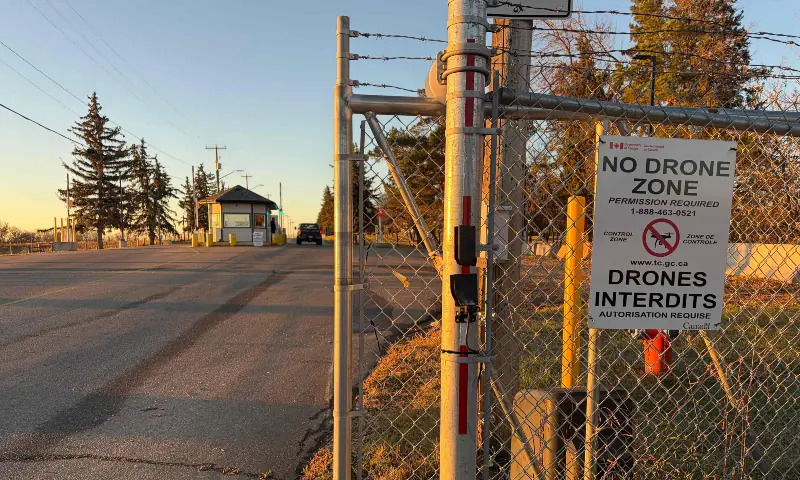
The Core Development
A devastating blaze erupted at Canadian Forces Base (CFB) Wainwright in Alberta, resulting in the confirmed deaths of four service personnel and leaving dozens more seriously injured. The incident represents one of the most severe peacetime domestic military catastrophes in modern Canadian history, sending shockwaves through the nation's defense apparatus and government corridors.
Prime Minister Mark Carney formally announced the casualties during a solemn address from the capital, Ottawa, confirming that the families of the deceased service members had been notified. Official statements emphasized the gravity of the incident on domestic soil. Defense Minister David McGuinty echoed the administration's sorrow, having confirmed late Saturday that emergency protocols were deployed immediately following reports of fatalities and severe casualties at the western installation.
CFB Wainwright, covering over 600 square kilometers in eastern Alberta, serves as one of the primary training grounds for the Canadian Armed Forces, frequently hosting mechanized brigade maneuvers and live-fire simulations. Defense authorities have initiated an exhaustive investigation to determine the root cause of the blaze, examining whether training exercises, munitions failure, facility electrical hazards, or structural infrastructure deficits triggered the disaster.
Commercial & Economic Implications
While the disaster remains a national security and defense tragedy in North America, its downstream impacts touch broader international supply chains, procurement assessments, and institutional protocols with global relevance, including markets in Pakistan. Large-scale defense installations worldwide operate extensive industrial ecosystems encompassing fire-suppression technology, tactical storage facilities, and specialized building infrastructure. The CFB Wainwright incident is anticipated to drive immediate global safety reviews across defense contracting, logistics warehousing, and heavy munitions management.
For industrial and procurement sectors in developing economies such as Pakistan, rigorous military infrastructure standards heavily influence commercial defense imports, safety audits, and public procurement insurance benchmarks. As Western defense establishments reassess structural facility safety and environmental controls, compliance mandates on international defense logistics will tighten. Potential revisions to export controls or enhanced testing protocols for dual-use and defense materials could lead to minor frictional delivery delays and elevated cargo compliance costs across international logistical lanes. Furthermore, international attention on standard operating safety at strategic bases serves as an institutional reminder for local Pakistani industrial operators, depot managers, and defense supply partners regarding the paramount necessity of disaster-prevention capital investments.
Related Intelligence: Albanian Political Unrest Intensifies as Protests Demand Prime Minister Rama Resignation
Stakeholder Perspectives & Market Reactions
The announcement has triggered widespread expressions of grief and urgent inquiries into operational protocols. Canadian defense analysts and military veterans' associations have demanded full transparency, urging an independent inquiry into base conditions, maintenance backlogs, and emergency medical response times at Wainwright. Legal experts specializing in military oversight anticipate extensive scrutiny over whether protocol negligence or equipment failure contributed to the high casualty count.
Diplomatic channels and foreign defense attachés across the globe, including those maintaining active cooperative missions with North American partners, have conveyed condolences. International defense monitoring bodies highlighted that the incident underscores systemic vulnerabilities in aging peacetime military infrastructure, especially at remote, expansive field stations. Market observers monitoring defense procurement firms noted heightened sensitivity around contractors responsible for facility maintenance, emergency suppression systems, and base operational safety.
Forward Outlook & Key Watchpoints
The immediate priority remains the medical stabilization and specialized treatment of the dozens of injured soldiers, many of whom sustained complex trauma and burn injuries. The Department of National Defence, alongside military police investigators and civilian fire marshals, will oversee an intensive forensic sweep of the incident site.
Key watchpoints over the coming weeks include the release of initial preliminary findings from the Canadian Forces National Investigation Service, prospective parliamentary inquiries into military infrastructure capital allocations, and potential command revisions concerning domestic exercise containment. Institutional observers globally will be closely evaluating how standard operating procedures for military logistical depots and field barracks are updated to mitigate operational fire risks in peacetime environments.
Join Our Official WhatsApp Channel
Receive live commodity alerts, policy changes, and commercial intelligence directly on WhatsApp.