
Macron Rejects Interior Minister Resignation Amid Violent Unrest in France
French President Emmanuel Macron has declined the resignation of Interior Minister Laurent Nunez after weekend protests turned violent, heightening concerns over European political stability and economic disruption.
Geopolitical & Core Developments
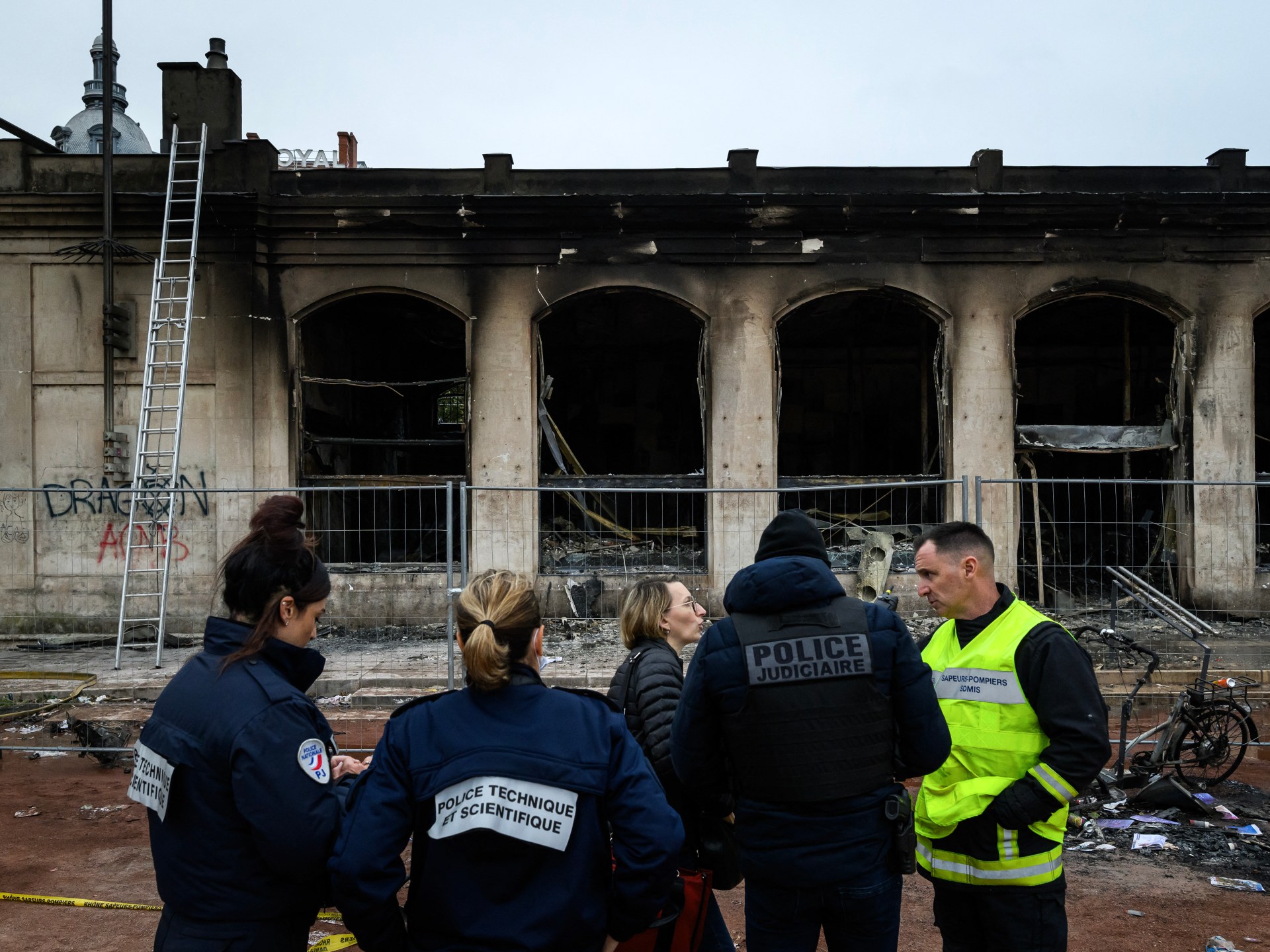
French President Emmanuel Macron has formally rejected the resignation tender submitted by Interior Minister Laurent Nunez in the wake of violent civil unrest that swept major urban centers across the country over the weekend. The demonstrations, which degenerated into clashes between law enforcement and radical protest factions, marked one of the most volatile security crises confronting Paris in recent quarters. Minister Nunez publicly conceded that security units temporarily lost operational control of designated perimeter zones as crowd sizes overwhelmed local police deployments, leading to substantial property damage and numerous injuries.
The political stakes for the Élysée Palace remain acute. President Macron's decision to maintain his security chief underscores a strategic aversion to institutional instability during a broader phase of contested governance in the National Assembly. While the administration seeks to project cohesion and operational command over domestic security apparatuses, opposition leaders across both left-wing and conservative blocs have intensified calls for systematic accountability, arguing that the breakdown in public order reflects deeper administrative erosion and strategic miscalculation.
Global Trade & Economic Ripples
The immediate economic fallout from sustained unrest in the European Union's second-largest economy carries broad implications for regional commerce and international supply chains. Transportation blockades and freight delays linked to protest disruptions have affected critical rail corridors, arterial trucking networks, and port access points connecting northern France with cross-border trading partners in Germany, Belgium, and the United Kingdom. Short-term logistical bottlenecks threaten just-in-time manufacturing processes, notably within the automotive and chemical manufacturing sectors.
Financial markets have demonstrated heightened sensitivity to the governance crisis. French sovereign debt risk premiums, reflected in the French-German 10-year government bond yield spread, registered marginal widening as institutional investors priced in elevated policy inertia and fiscal uncertainty. Commercial tourism, insurance liabilities, and regional retail throughput are confronting direct downward revisions for the quarter. Should localized unrest broaden into sustained industrial action across the energy and transport domains, risks to continental refinery outputs and refined product distribution could compound existing pressures across European energy benchmarks.
Related Intelligence: Kenya Cult Tragedy Verdict Stirs Judicial and Regional Security Concerns
International Reactions & Diplomatic Stances
International reaction to the developments has mirrored concerns regarding European institutional cohesion. European Union officials in Brussels have maintained a measured public posture, categorizing the events as an internal matter of French public order while privately monitoring the preservation of key trans-European transit routes. Cross-border business federations across neighboring member states have expressed apprehension regarding supply chain disruptions and transit security for long-haul hauliers.
In London and Washington, diplomatic observers have closely tracked the stability of the French administration. While traditional allies have underscored confidence in French democratic institutions, travel advisories issued by multiple foreign ministries were promptly updated to caution international travelers regarding localized disruptions in Paris, Lyon, and Marseille. Market research analysts and credit rating agencies continue to scrutinize the state's capacity to deliver planned fiscal consolidation measures amid persistent, disruptive civil resistance.
Strategic Outlook & Future Scenarios
The trajectory of France's domestic stability over the coming weeks will hinge on the government's ability to recalibrate law enforcement doctrines while defusing organized public discontent. A hardline containment strategy risks further antagonizing labor syndicates and civic coalitions, potentially precipitating coordinated nationwide strikes that could paralyze municipal transit, school systems, and fuel logistics terminals.
Conversely, excessive concession from the Élysée risks diluting President Macron's executive authority ahead of crucial European and domestic legislative deadlines. If ministerial cohesion continues to fracture, the administration may be forced into a broader cabinet reshuffle or face renewed votes of no confidence. For international commodities and capital markets, persistent policy gridlock in Paris presents a lingering headwind to the broader recovery trajectory of the eurozone economy.
Join Our Official WhatsApp Channel
Receive live commodity alerts, policy changes, and commercial intelligence directly on WhatsApp.