
Mali Conflict Intensifies as Military and Armed Factions Face Abuse Allegations
Malian armed forces, foreign contractors, and insurgent coalitions stand accused of widespread war crimes, intensifying regional volatility across the Sahel and threatening key international mining investments and trade corridors.
Geopolitical & Core Developments
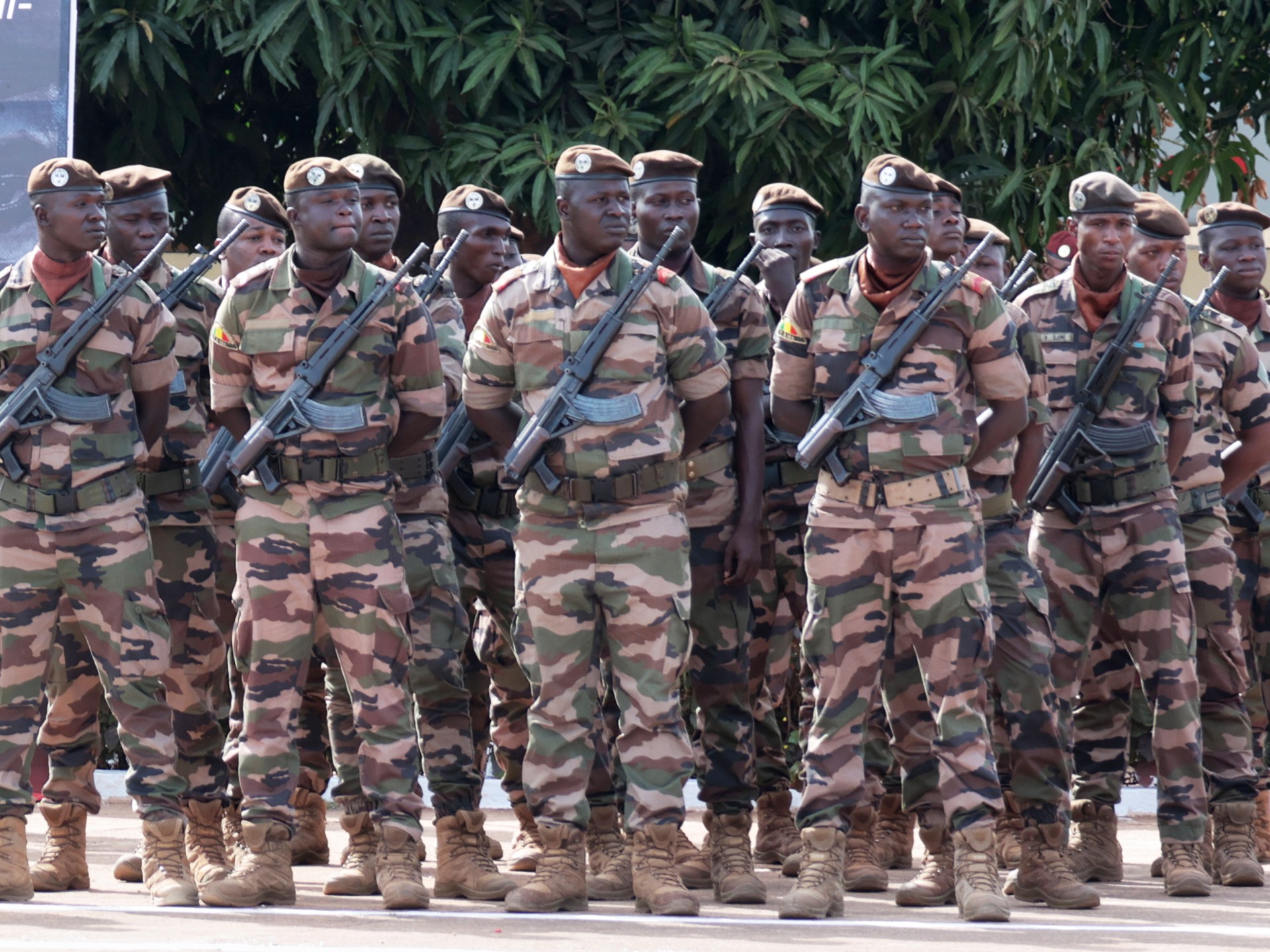
The security architecture of the central Sahel has deteriorated further following extensive documentation by Human Rights Watch detailing widespread violations of the laws of war across Mali. The findings implicate the Malian Armed Forces, allied foreign private military contractors—specifically elements affiliated with the Russian Africa Corps, formerly the Wagner Group—alongside diverse ethnic Tuareg separatist factions and Islamist coalitions under Jama'at Nusrat al-Islam wal-Muslimin (JNIM).
Since the collapse of the 2015 Algiers Peace Accord in late 2023, Bamako's military transitional government, led by General Assimi Goïta, has pursued an uncompromising offensive across northern and central administrative divisions. The military campaign gained momentum following the reclamation of Kidal, a strategic northern redoubt, but recent operations have been marred by retaliatory violence against civilians, drone strikes on populated hamlets, and extrajudicial executions. Separatist and insurgent forces have concurrently conducted lethal ambushes, weaponized explosive devices on transit routes, and enacted economic blockades around regional commercial hubs. The confluence of these strategies has dismantled local governance structures, generating a deep-seated humanitarian vacuum that compounds regional instability across the Alliance of Sahel States (AES), encompassing Mali, Niger, and Burkina Faso.
Global Trade & Economic Ripples
Mali represents Africa's third-largest producer of industrial gold, positioning its internal security climate as a variable of considerable interest to global commodity markets. Sustained insecurity has exacerbated the operational risk profile for transnational mining conglomerates, notably Barrick Gold, B2Gold, and Allied Gold. Logistical friction along the vital Dakar-Bamako and Abidjan-Bamako freight corridors has increased landed costs for fuel, cyanide, and heavy machinery, driving up per-ounce all-in sustaining costs (AISC).
Moreover, the junta's implementation of a revised mining code aimed at boosting state equity participation to as much as 35 percent—coupled with the operational threat posed by rebel ambushes along transportation arteries—has prompted heightened caution across international sovereign and private debt markets. Continued conflict threatens to displace cross-border agricultural commerce and livestock flows throughout the Economic Community of West African States (ECOWAS), while European energy planners remain watchful of adjacent hydrocarbon exploration prospects across neighboring littoral West African states whose transit networks remain vulnerable to Sahelian spillovers.
Related Intelligence: Macron Rejects Interior Minister Resignation Amid Violent Unrest in France
International Reactions & Diplomatic Stances
International institutions and global diplomatic missions have expressed severe concern over the documented civilian casualties and erosion of judicial accountability. The United Nations Office of the High Commissioner for Human Rights issued calls for independent, unhindered investigations into conduct by both state security apparatuses and insurgent networks. Western diplomatic delegations, led by the European Union and the United States, underscored that tactical partnerships with external mercenary forces have demonstrably failed to secure population centers while precipitating acute humanitarian harm.
Conversely, Bamako has dismissed previous human rights reports as sovereign interference and asymmetric disinformation campaigns orchestrated by former colonial powers. Moscow has reaffirmed its comprehensive security cooperation with the junta, emphasizing non-interference in domestic governance and framing the presence of Russian personnel as legitimate bilateral counter-insurgency assistance. Meanwhile, regional dialogue through formal ECOWAS diplomatic conduits remains structurally strained following Mali's institutional pivot toward the breakaway Sahel alliance.
Strategic Outlook & Future Scenarios
The trajectory of the Sahelian theater suggests an intensifying war of attrition rather than a decisive military resolution. Forward-looking scenarios indicate an elevated probability of expanded asymmetric insurgent campaigns, targeting peripheral mining assets, remote garrisons, and critical electrical and logistics infrastructure. As international human rights documentation mounts, Western jurisdictions may weigh additional targeted sanctions against specific military commanders and commercial entities linked to the mineral-for-security architecture.
Absent a coordinated diplomatic mechanism to replace the defunct Algiers framework, the operational environment for multinational extractive enterprises will remain increasingly volatile. The coming quarters will test the financial resilience of the Goïta administration as defense expenditures absorb an expanding share of public finances, potentially precipitating fiscal retrenchment, sovereign debt distress, and further commercial isolation from traditional Western multilateral lending mechanisms.
Join Our Official WhatsApp Channel
Receive live commodity alerts, policy changes, and commercial intelligence directly on WhatsApp.