
Flydubai Tel Aviv Flight Diversion to Saudi Arabia Sparks Geopolitical and Aviation Scrutiny
A Flydubai flight en route from Dubai to Tel Aviv diverted to Saudi Arabia following an emergency alert, underscoring fragile regional aviation security.
Geopolitical & Core Developments
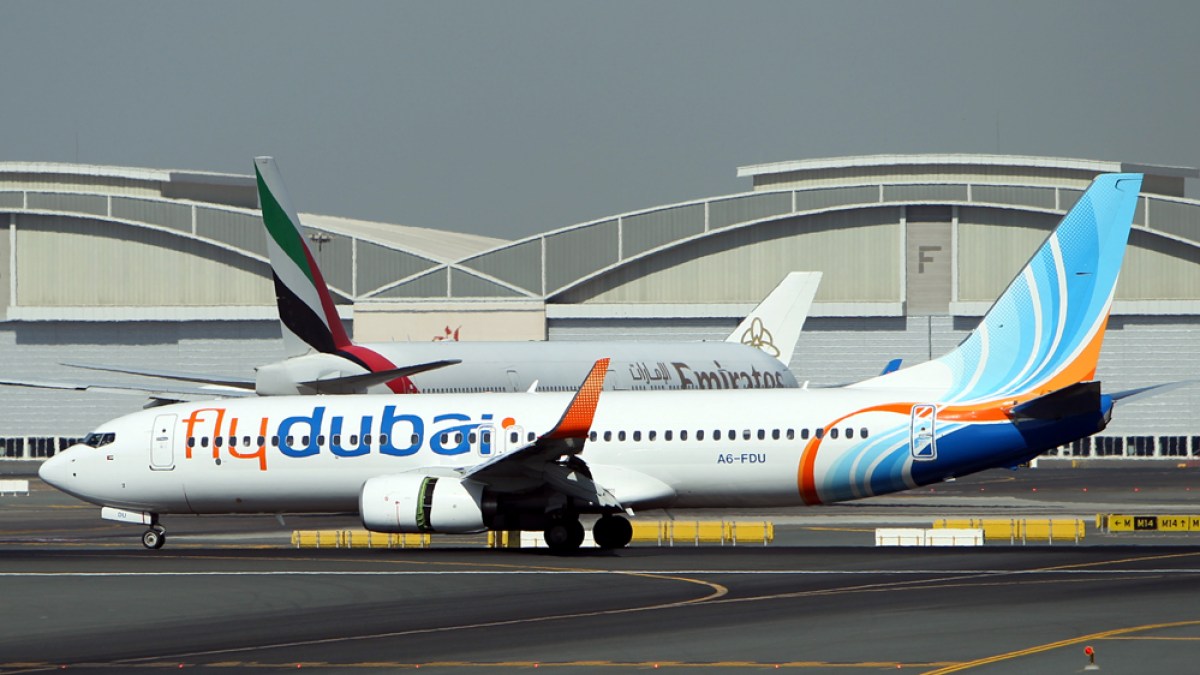
A scheduled Flydubai commercial service operating from Dubai International Airport to Ben Gurion International Airport in Tel Aviv was forced to execute an abrupt emergency diversion, touching down safely at Tabuk Regional Airport in northwestern Saudi Arabia. According to preliminary statements issued by the carrier and regional aviation watchdogs, the flight encountered an unspecified onboard incident that triggered mandatory emergency protocols while traversing sensitive Middle Eastern airspace corridors.
The incident places a sharp spotlight on the intricate geopolitical dynamics governing commercial aviation across the Arabian Peninsula and the Levant. The utilization of Saudi airspace by flights connecting the United Arab Emirates and Israel became a prominent symbol of regional diplomatic shifts following the formalization of bilateral normalization agreements. However, this unscheduled landing in the Kingdom injects a layer of operational uncertainty into cross-border transit routes that remain highly sensitive to broader regional security postures, ongoing diplomatic friction, and military escalations involving state and non-state actors across the theater.
Global Trade & Economic Ripples
While the immediate operational disruption remained contained to a single commercial airframe and its passengers, international trade and logistics analysts note that any instability within critical Middle Eastern air corridors carries disproportionate psychological and economic weight for global supply chains. The Middle East serves as the indispensable connective tissue for intercontinental commerce, linking European manufacturing hubs, Gulf energy capitals, and East Asian consumer markets.
Although direct impacts on international crude oil benchmarks, bulk dry freight, and localized commodity pricing remained muted immediately following the diversion, energy and logistics markets remain hyper-sensitive to localized disruptions. Insurance underwriters and maritime or aviation risk assessment firms frequently adjust risk premiums and route optimization algorithms in response to unexpected emergency landings or security alerts in proximity to active conflict zones. Any persistent perception of vulnerability along these commercial air and maritime corridors inevitably ripples through global freight forwarding rates and supply chain management strategies.
Related Intelligence: Cockpit Altercation Triggers Emergency Diversion on Israel-Bound Flight
International Reactions & Diplomatic Stances
Official responses from regional governments, civil aviation authorities, and multilateral bodies have emphasized adherence to standard safety protocols and the paramount importance of passenger security. Saudi aviation authorities coordinated closely with Flydubai dispatchers and local emergency response units to ensure the aircraft landed safely at Tabuk and that passengers received immediate logistical support.
International market analysts and diplomatic observers point out that the seamless coordination between Saudi operational personnel and a UAE carrier operating a route to Israel demonstrates underlying functional cooperation despite high-stakes geopolitical tensions. Multilateral transport organizations have refrained from issuing broad airspace closures, characterizing the event as an isolated technical or security-driven anomaly rather than a systemic regional threat. Nevertheless, diplomatic desks in Washington, Brussels, and regional capitals are closely reviewing incident logs to gauge potential secondary implications for regional stability.
Strategic Outlook & Future Scenarios
Looking ahead, the Flydubai diversion serves as a stark reminder of the fragile operating environment characterizing Middle Eastern commercial aviation and trade routes. As regional actors navigate a complex matrix of deterrence, diplomacy, and economic integration, upcoming multilateral summits and bilateral security dialogues will likely focus on enhancing emergency communication channels and cross-border crisis management frameworks.
For commercial carriers and global logistics firms, the incident reinforces the necessity of dynamic contingency planning and real-time risk assessment models. Should geopolitical tensions across the Levant and the Gulf intensify, airlines operating through these vital air corridors must remain prepared for sudden route modifications, heightened security screenings, and potential regulatory shifts by sovereign airspace authorities. The long-term trajectory of normalization corridors will depend heavily on the capacity of regional states to insulate civilian transit infrastructure from broader geopolitical volatility.
Join Our Official WhatsApp Channel
Receive live commodity alerts, policy changes, and commercial intelligence directly on WhatsApp.