
Ireland Confirms Israel Nations League Fixture Despite Domestic Protests
The Football Association of Ireland has confirmed its upcoming Nations League fixture against Israel will proceed as planned, defying mounting domestic pressure and public opposition.
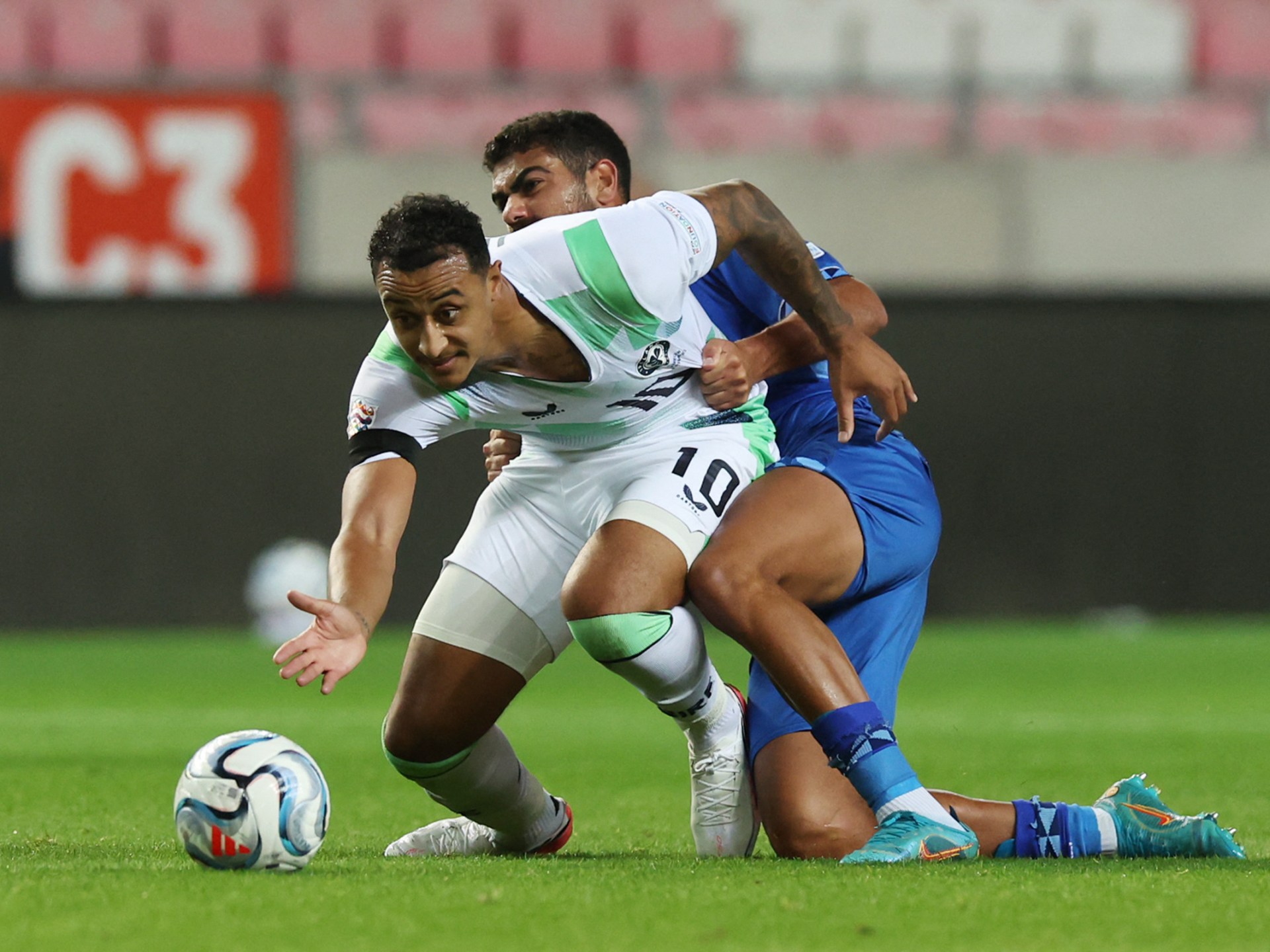
Geopolitical & Core Developments
The decision by the Football Association of Ireland (FAI) to fulfill its upcoming UEFA Nations League fixture against Israel highlights the complex intersection of international sports administration and modern geopolitics. Despite substantial public opposition, civil society mobilization, and political debate within Ireland regarding the ongoing conflict in Gaza, the governing body has chosen to adhere to established sporting obligations. State actors, multilateral sporting federations like UEFA, and national associations find themselves navigating an increasingly polarized landscape where athletic competition frequently serves as a proxy for broader diplomatic disputes.
Historically, sports diplomacy has been utilized both to isolate rogue regimes and to maintain diplomatic channels during times of acute crisis. In this instance, UEFA maintains a strict stance separating political conflicts from tournament participation, a policy that faces unprecedented stress. The confirmation of the fixture underscores the institutional inertia of international sports bodies, which typically resist unilateral boycotts to avoid setting legal and operational precedents that could fragment global tournament structures.
Global Trade & Economic Ripples
While sporting fixtures rarely exert direct pressure on heavy commodity markets or primary supply chains, events of this nature generate secondary economic ripples across corporate sponsorships, broadcasting rights, and global tourism revenues. Major international brands associated with UEFA and national teams increasingly monitor reputational risks tied to geopolitical controversies. Consumer sentiment shifts in European markets can influence corporate marketing expenditure, stadium attendance, and merchandise sales, prompting commercial partners to execute delicate public relations strategies.
Furthermore, heightened security protocols surrounding high-profile international matches necessitate increased expenditure for municipal authorities and private security contractors. These logistical requirements draw resources from local economies, while potential civil unrest or organized demonstrations can cause localized trade disruptions for urban retail and hospitality sectors. Though marginal compared to macroeconomic shocks in energy or shipping lanes, these operational costs reflect the broader economic toll of protracted geopolitical friction.
Related Intelligence: Lebanese Prison Hunger Strike Deepens National Crisis and Regional Instability
International Reactions & Diplomatic Stances
The FAI's confirmation has elicited diverse responses from political leaders, human rights advocates, and international bodies. Domestic critics in Ireland argue that proceeding with the match normalizes ongoing military actions in the Middle East, aligning national sporting institutions with controversial state policies. Conversely, defenders of the decision emphasize the principle of political neutrality in sports, asserting that athletic exchanges should remain insulated from state-level conflicts and that boycotts penalize athletes rather than governments.
International bodies such as FIFA and UEFA continue to monitor the security and diplomatic environment surrounding European fixtures. While human rights organizations have repeatedly petitioned governing bodies to reconsider the participation of specific national teams, sports administrators maintain that exclusion requires a formal consensus among member associations or binding international sanctions issued by the United Nations Security Council, neither of which currently applies to this fixture.
Strategic Outlook & Future Scenarios
Looking ahead, the controversy surrounding the Ireland-Israel fixture points to a persistent trend where international sporting events become flashpoints for geopolitical activism. As global tensions show little sign of immediate abatement, national associations will likely face continued pressure from domestic constituencies regarding international engagements.
Upcoming international tournaments and regional qualification rounds will test the resilience of existing sports governance frameworks. If public opposition intensifies, UEFA and other governing bodies may face mounting calls to reform their conflict-resolution mechanisms, potentially introducing clearer guidelines for evaluating security risks, human rights concerns, and the limits of political neutrality in modern athletics. The long-term trajectory suggests a more politicized environment for international sports, where commercial stakeholders and administrators must balance traditional competitive mandates with heightened social accountability.
Join Our Official WhatsApp Channel
Receive live commodity alerts, policy changes, and commercial intelligence directly on WhatsApp.