
Flydubai Cockpit Brawl Triggers Emergency Diversion to Saudi Arabia
A Tel Aviv-bound Flydubai flight was forced to divert to Saudi Arabia after a violent cockpit altercation between pilots triggered international emergency signals.
The Core Development
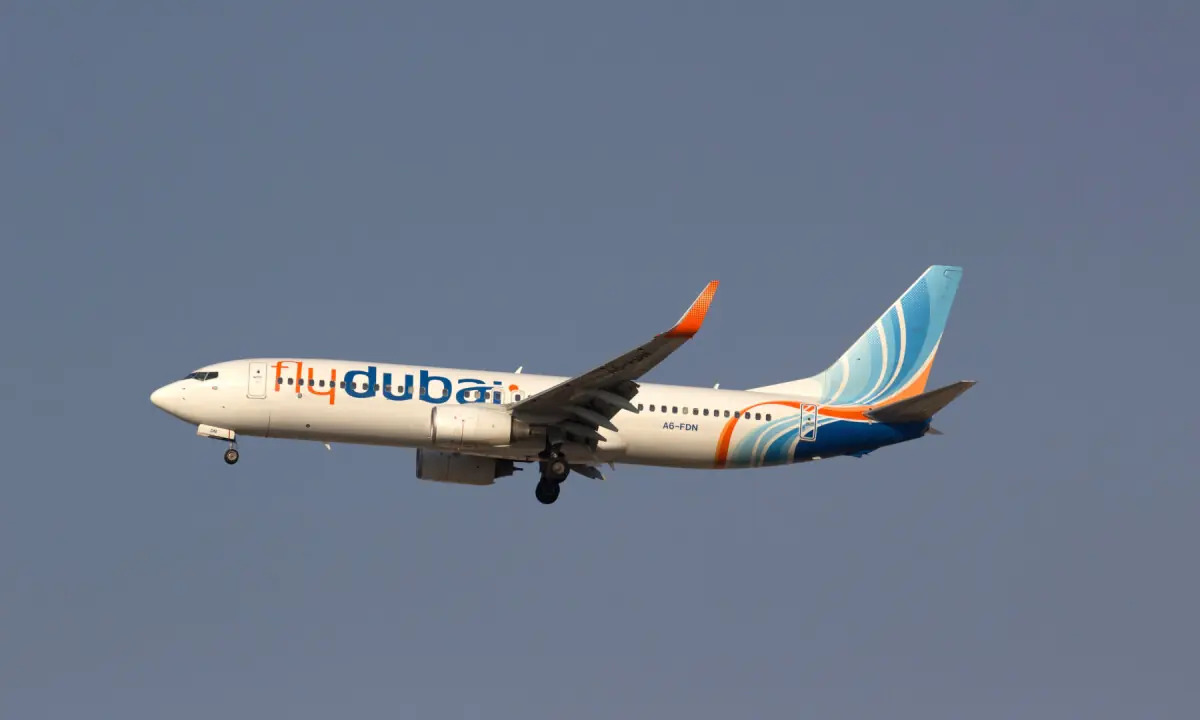
A Flydubai commercial flight traveling from Dubai to Tel Aviv experienced an extraordinary security crisis on Wednesday when a violent physical altercation erupted inside the cockpit between the pilot and co-pilot. According to senior Israeli officials, Flight FZ1073 was forced to execute an emergency diversion over Jordanian airspace, altering its trajectory sharply toward Saudi Arabia. Flight tracking data from Flightradar24 corroborated the gravity of the incident, indicating that the aircraft transmitted an initial general emergency signal, followed minutes later by a secondary squawk code denoting potential unlawful interference. The sequence of emergency broadcasts instantly escalated tensions across regional air traffic control centers, initially raising fears of a potential hijacking before ground intelligence confirmed the crisis originated from internal crew conflict rather than external threat. Aviation security protocols were immediately activated across multiple jurisdictions as the wide-body aircraft descended into Saudi airspace for an unscheduled landing.
Commercial & Economic Implications
For major commercial operators, logistics networks, and regional trade corridors across the Middle East and South Asia, including key trade partners like Kalyar Traders in Pakistan, unexpected disruptions in Middle Eastern aviation hubs carry immediate financial repercussions. Air cargo capacity, which heavily relies on passenger belly-hold space along primary Gulf-to-Levant and Asia-to-Europe corridors, faces ongoing vulnerability when passenger safety incidents compromise flight schedules. While this specific event involved a passenger carrier, any systemic disruption in Gulf airspace directly influences regional freight pricing, cargo turnaround times, and insurance risk premiums. Wholesale distributors and retail supply chains dependent on reliable, predictable transit routes through Dubai International Airport must continually factor operational vulnerabilities into their inventory management strategies. Increased regulatory scrutiny on cockpit resource management could also translate to tightened compliance costs for regional carriers, indirectly affecting operating margins across the broader aviation and logistics ecosystem.
Related Intelligence: Federal Government Weighs State of Emergency in Khyber Pakhtunkhwa Amid Security Crisis
Stakeholder Perspectives & Market Reactions
International aviation bodies, labor unions, and regional regulatory authorities have expressed deep concern over the incident, emphasizing that cockpit discipline remains the absolute bedrock of commercial flight safety. Industry analysts and legal experts have pointed out that an in-flight physical altercation represents an extreme failure of crew resource management (CRM) protocols, prompting calls for stricter psychological evaluations and mandatory monitoring systems for long-haul and regional flight deck crews. Corporate governance advocates argue that airlines must prioritize transparent internal reporting mechanisms and rigorous oversight to prevent interpersonal conflicts from compromising operational safety. Meanwhile, public response across global financial and travel forums has highlighted growing anxieties regarding passenger safety protocols in high-stress aviation environments, putting immense pressure on airline executives to reassure stakeholders regarding pilot vetting and mental health support frameworks.
Forward Outlook & Key Watchpoints
As civil aviation authorities in the United Arab Emirates, Saudi Arabia, and Israel launch comprehensive formal investigations into the incident, the global aviation sector braces for potential policy adjustments. Key watchpoints moving forward include the official findings of the joint regulatory inquiry, potential disciplinary actions against the involved flight crew, and any subsequent directives issued by international aviation safety organizations concerning cockpit security protocols. For businesses and trade analysts monitoring regional stability, the swift coordination between regional air traffic controllers during the emergency demonstrated resilience, yet underscored the fragility of airspace management amid unexpected human-factor crises. Stakeholders across commercial supply chains will closely observe how Flydubai and broader regional carriers adjust their operational oversight to safeguard both passenger lives and the integrity of vital commercial transit networks.
Join Our Official WhatsApp Channel
Receive live commodity alerts, policy changes, and commercial intelligence directly on WhatsApp.