
Somali Piracy Resurgence Threatens Global Energy Routes and Maritime Security
A fatal attack on an oil tanker crew off the Somali coast highlights a dangerous resurgence of maritime piracy, threatening vital global energy corridors and international trade security.
Geopolitical & Core Developments
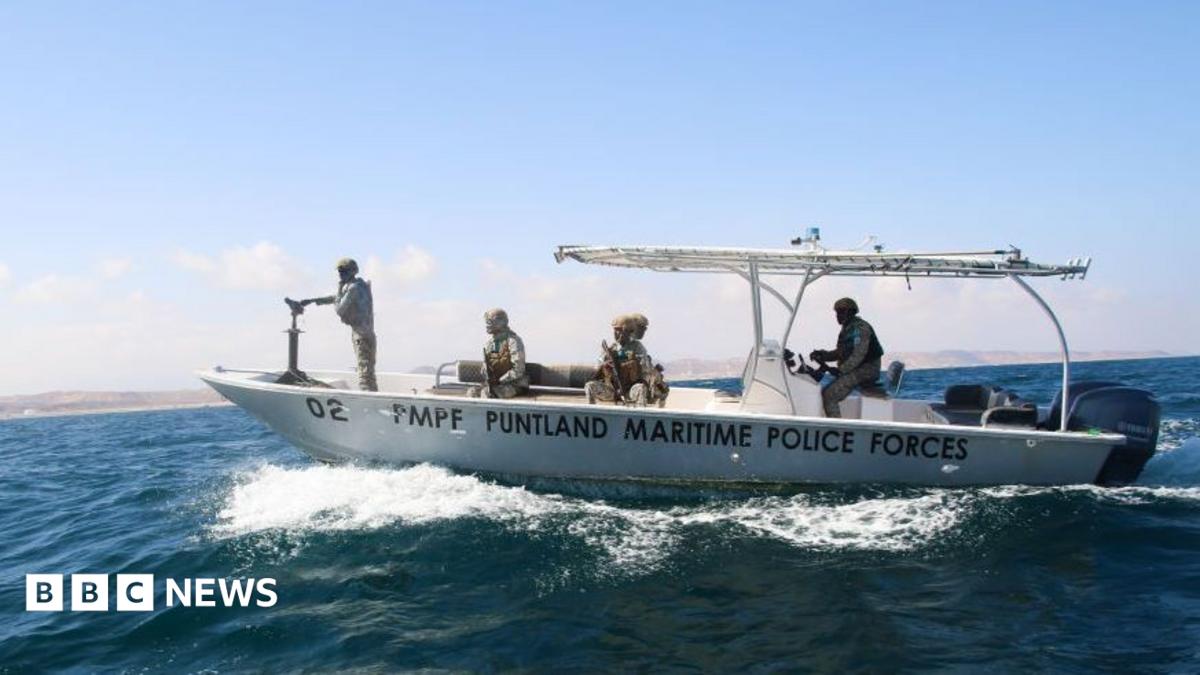
The alarming resurgence of maritime piracy off the coast of Somalia has entered a critical phase, marked by the recent killing of an oil tanker crew member prior to a naval rescue operation. This violent escalation shatters a decade-long period of relative calm that followed the deployment of coordinated international naval task forces in 2011. The breakdown of coastal security infrastructure, combined with domestic political instability in Somalia and broader regional distractions in the Red Sea and Gulf of Aden, has emboldened opportunistic criminal networks and insurgent factions. These groups are increasingly utilizing motherships and sophisticated skiffs to project power far beyond territorial waters, exploiting vast monitoring gaps in the western Indian Ocean. State actors and regional governments are now scrambling to reassess the vulnerability of vital maritime boundaries as armed syndicates demonstrate an upgraded capacity to seize large commercial vessels and inflict fatalities.
Global Trade & Economic Ripples
The revival of Somali piracy poses an immediate, multi-layered threat to international supply chains and global commodity markets, particularly petroleum logistics. The maritime corridor connecting the Suez Canal, the Bab el-Mandeb Strait, and the Arabian Sea serves as a central artery for Middle Eastern crude oil and refined products destined for European and Asian economies. With maritime hijackings on the rise, vessel operators are forced to weigh the high costs of enhanced security details against the financial devastation of crew casualties, vessel seizures, and extended transit times. Insurance underwriters have responded by sharply increasing war risk and kidnap-and-ransom premiums for voyages traversing the Horn of Africa. These escalating operational expenses are inevitably filtering down into broader shipping freight rates, compounding inflationary pressures on global energy supplies and threatening macroeconomic stability in import-dependent emerging markets.
Related Intelligence: Alaska Bear 747 Triumph Reshapes Conservation Economics and Ecotourism
International Reactions & Diplomatic Stances
Multilateral organizations and maritime safety bodies have voiced profound alarm over the deteriorating security situation in East African waters. The International Maritime Organization and various naval coalition commanders have urged commercial vessels to strictly adhere to Best Management Practice guidelines and maintain heightened vigilance when transiting high-risk areas. Diplomatic missions are engaging regional East African authorities to bolster local law enforcement capabilities and judicial frameworks necessary for prosecuting captured pirates. However, international analysts note that diplomatic efforts remain fragmented, constrained by overlapping geopolitical priorities and a lack of sustained funding for comprehensive onshore counter-piracy initiatives. Industry associations continue to lobby major naval powers to permanently restore dedicated patrol corridors to protect defenseless merchant fleets from ongoing depredations.
Strategic Outlook & Future Scenarios
Looking ahead, the trajectory of maritime security in the western Indian Ocean will depend heavily on the willingness of international stakeholders to recommit robust naval assets to the region. Without renewed multilateral patrols and aggressive interdiction campaigns, the financial incentives driving modern piracy will continue to attract recruits, transforming intermittent attacks into a permanent systemic hazard for global trade. Geopolitical escalation points remain high as maritime threats intersect with ongoing conflicts in the Middle East, potentially forcing commercial carriers into costly, lengthy detours around the Cape of Good Hope. Policymakers face a narrow window to suppress this maritime insurgency before it permanently alters global shipping economics and jeopardizes critical energy transit routes.
Join Our Official WhatsApp Channel
Receive live commodity alerts, policy changes, and commercial intelligence directly on WhatsApp.