
Cockpit Altercation Triggers Emergency Diversion on Israel-Bound Flight
An Israel-bound commercial flight was forced to divert following a physical dispute between pilots, triggering a false hijacking alarm that was quickly resolved by authorities.
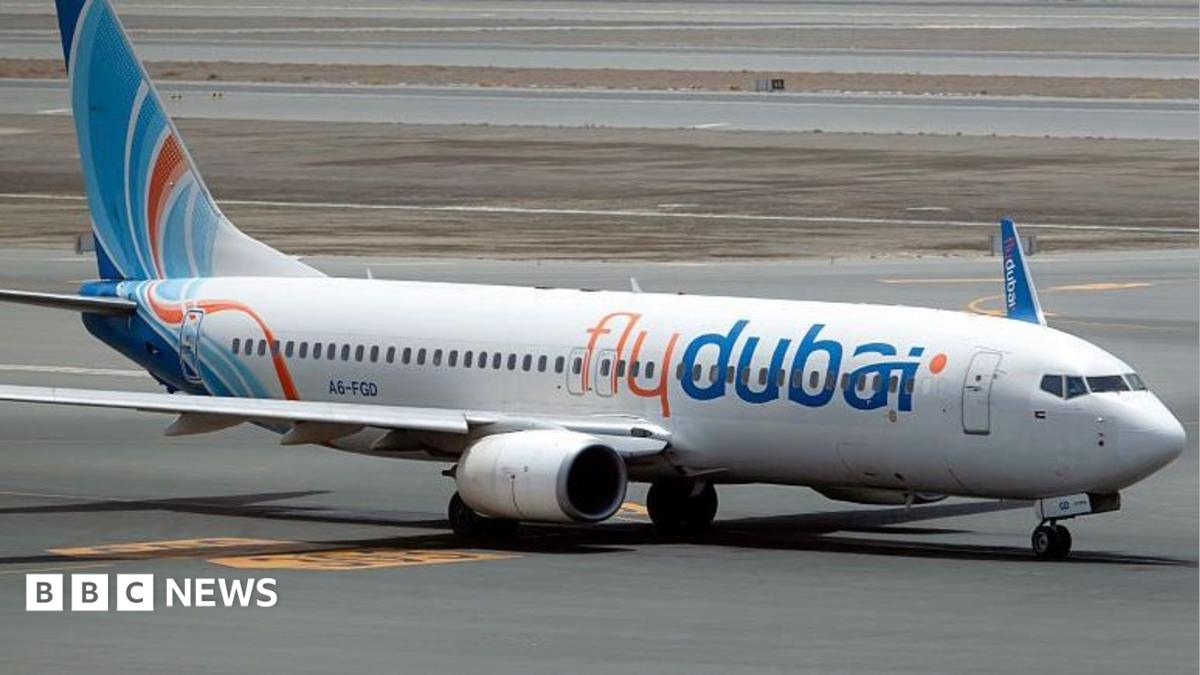
Geopolitical & Core Developments
A commercial flight bound for Israel experienced an unprecedented in-flight emergency on Tuesday after a severe physical altercation broke out between the flight deck crew. The mid-air dispute escalated rapidly, prompting the transmission of a transponder code that briefly signaled a potential unlawful interference or hijacking to regional air traffic control centers. Security apparatuses across multiple jurisdictions were immediately placed on high alert as the aircraft altered its trajectory.
However, the crisis atmosphere dissolved within minutes as ground operations and intelligence services verified communications from the aircraft. The Israeli Prime Minister's Office formally confirmed that the hijacking hypothesis had been entirely ruled out, attributing the emergency squawk to an internal operational breakdown rather than external hostile action. The aircraft successfully diverted to a neutral regional airfield, where local law enforcement and civil aviation authorities took control of the situation, detaining the crew members involved for formal interrogation.
Global Trade & Economic Ripples
While the incident was swiftly contained as an isolated crew management failure rather than a systemic security breach, the immediate economic and commercial reverberations were felt across the regional civil aviation sector. International carriers operating routes through Middle Eastern airspace face tightening regulatory scrutiny regarding crew mental health, resource management training, and cockpit dynamics. Major insurance underwriters covering hull and liability risks for flights traversing volatile corridors are expected to re-evaluate risk premiums in light of unpredictable human-factor vulnerabilities.
Furthermore, unscheduled diversions of international carriers create immediate logistical bottlenecks at secondary hubs, resulting in cascading delays, unexpected fuel expenditures, and passenger compensation claims. Global supply chains dependent on belly-cargo capacity for high-value electronics and perishable goods originating from the region experienced minor disruptions as aircraft were temporarily grounded for safety audits and crew replacements.
Related Intelligence: Gaza Strike Casualties Deepen Middle East Crisis and Supply Risks
International Reactions & Diplomatic Stances
Civil aviation authorities across Europe and the Middle East issued coordinated calls for transparent investigations into the incident, emphasizing that cockpit discipline remains a non-negotiable pillar of global transport safety. The International Civil Aviation Organization (ICAO) noted that human-factor incidents of this magnitude are exceptionally rare but require rigorous oversight to maintain public confidence in transcontinental air corridors.
Market analysts and geopolitical risk consultancies underscored that in an era of heightened geopolitical sensitivity surrounding Israeli airspace, any ambiguous emergency signal carries disproportionate psychological and diplomatic weight. Diplomatic missions in the region monitored the situation closely, relieved that the false alarm did not trigger a kinetic response from regional defense networks.
Strategic Outlook & Future Scenarios
In the wake of this episode, commercial airlines are anticipated to fast-track internal reviews concerning crew pairings, psychological screening protocols, and real-time cockpit monitoring systems. Regulatory bodies are likely to introduce stricter compliance mandates regarding peer intervention training and stress management for long-haul flight crews operating in high-tension environments.
As global trade networks continue to navigate complex geopolitical flashpoints, safeguarding the physical and psychological integrity of critical transportation infrastructure remains paramount. Stakeholders across the commercial aviation and logistics sectors will be watching closely as aviation authorities release their formal findings, setting new precedents for in-flight security management.
Join Our Official WhatsApp Channel
Receive live commodity alerts, policy changes, and commercial intelligence directly on WhatsApp.