
European Football Elite Face Off Amid Shifting Sovereign Investments and Soft-Power Strategy
Paris Saint-Germain faces FC Barcelona in a landmark Champions League clash, underscoring broader economic rivalries, sports diplomacy, and sovereign capital dynamics across European commercial markets.
Geopolitical & Core Developments
The upcoming UEFA Champions League fixture between Paris Saint-Germain (PSG) and FC Barcelona extends far beyond tactical maneuvering on the pitch, highlighting a complex convergence of sovereign-backed investment, continental influence, and soft-power statecraft. In modern European athletics, top-tier football clubs function as significant international commercial entities and instruments of bilateral diplomacy. PSG, underpinned by Qatar Sports Investments (QSI), reflects the broader strategic ambition of Gulf states to diversify capital away from hydrocarbons into global leisure, media, and real estate assets.
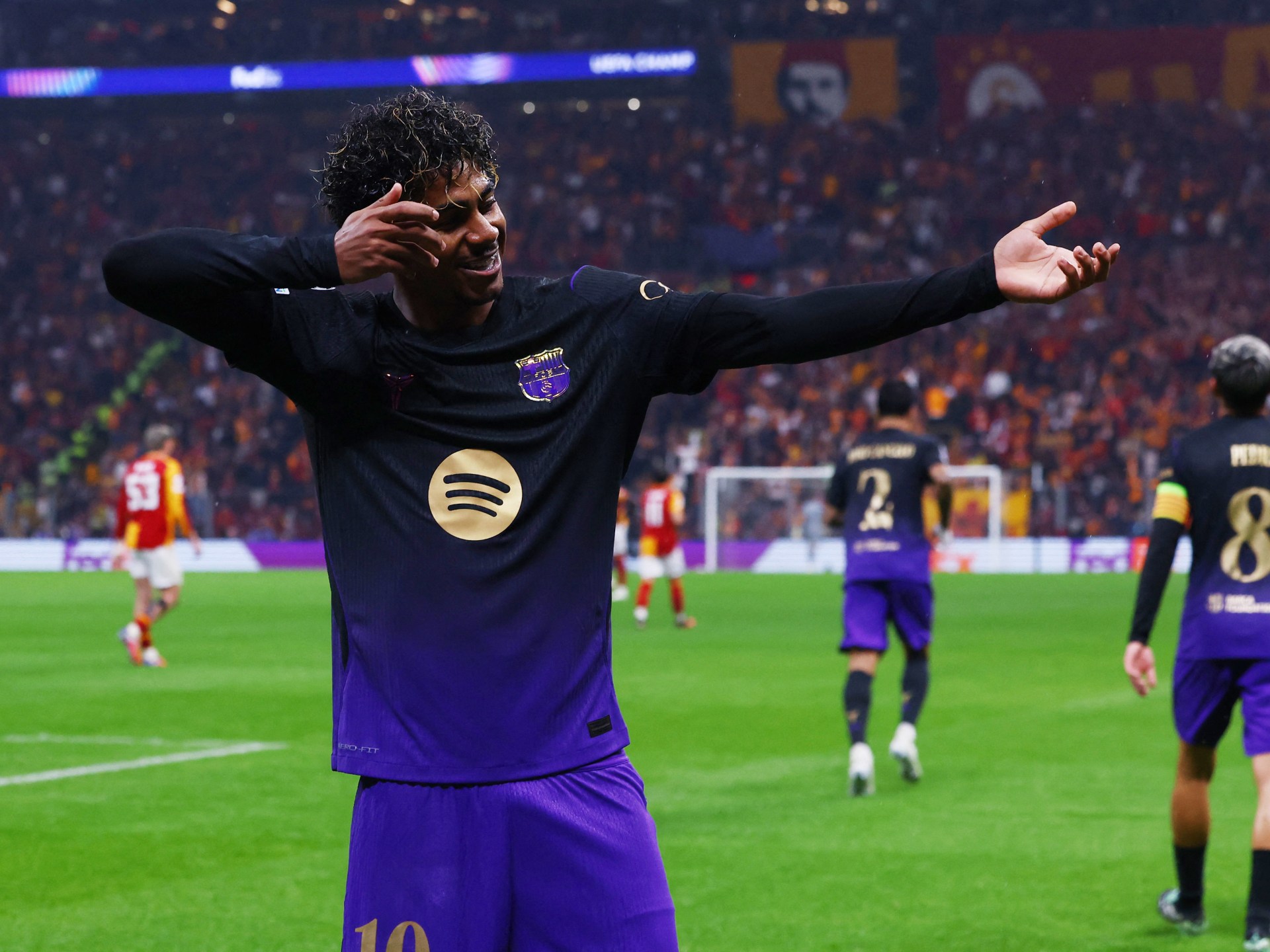
Conversely, FC Barcelona represents an enduring socio-political institutional model, rooted in regional identity and member-governed financing, albeit heavily stressed by debt restructured through international private equity and bond issuances. The narrative of prominent athletes such as Lamine Yamal and Ferran Torres operating across these institutional structures mirrors the broader movement of high-value human capital across international frontiers. The Paris encounter serves as a microcosm of two competing economic philosophies within Europe: sovereign state-backed capitalization versus legacy club corporatization backed by international debt facilities.
Global Trade & Economic Ripples
High-profile international athletic fixtures operate as major catalysts for international commerce, influencing consumer consumption, hospitality supply chains, and cross-border broadcasting contracts. The European sports market channels billions of euros annually across digital streaming rights, commercial sponsorships, and multinational tourism corridors. Matches of this caliber yield acute economic spikes in local metropolitan economies, driving passenger transit across regional aviation hubs, hotel bookings, and retail volume in major European transit centers.
Furthermore, sovereign investment strategies tied to international football have created complex cross-market exposure. Capital deployed via sovereign wealth vehicles links European consumer markets directly to foreign exchange reserves generated by liquefied natural gas and crude export balances. Corporate brand partnerships affiliated with both clubs—spanning international airlines, technology conglomerates, and retail supply chains—demonstrate how modern athletic leagues act as transmission mechanisms for international corporate finance and foreign direct investment.
Related Intelligence: Colombia Illegal Gold Mine Collapse Kills 14 Amid Supply Chain Scrutiny
International Reactions & Diplomatic Stances
Multilateral sporting bodies, alongside European regulatory authorities, continue to evaluate the geopolitical footprint of foreign capital in domestic markets. The European Commission has expanded its focus on foreign subsidies distorting internal market competition, an initiative that increasingly scrutinizes state-directed funds flowing into non-industrial services, including elite entertainment assets.
Financial sector analysts and sovereign ratings agencies monitor these institutional cross-currents carefully. Institutions evaluating European club credit ratings emphasize that exposure to regulatory shifts, broadcast market realignments, and shifting geopolitical alignments in the Middle East introduce systemic risks into asset valuation models. While European regulatory bodies advocate for stringent Financial Sustainability Regulations, sovereign-backed holding entities argue that these cross-border investments drive capital liquidity, infrastructure development, and long-term economic dynamism into urban centers throughout the continent.
Strategic Outlook & Future Scenarios
Moving forward, the intersection of international diplomacy, capital allocation, and elite sport is poised for heightened institutional contestation. Scenarios over the coming fiscal cycle point toward tighter regulatory frameworks enforced by UEFA and the European Union, specifically addressing capital contributions and multi-club ownership models. Should regulatory barriers intensify, sovereign funds may seek structural realignments, channeling investment into decentralized streaming platforms, auxiliary entertainment holdings, or cross-continental leagues in emerging markets.
Additionally, the competitive parity among European football entities will remain intrinsically tied to macroeconomic volatility, particularly currency valuations affecting player contract amortizations and corporate debt service. As European capitals navigate shifting fiscal policies and international trade realignments, premier institutional matchups such as PSG against Barcelona will continue to serve as transparent barometers of global capital allocation, cross-border prestige, and soft-power rivalry.
Join Our Official WhatsApp Channel
Receive live commodity alerts, policy changes, and commercial intelligence directly on WhatsApp.