
Colombia Illegal Gold Mine Collapse Kills 14 Amid Supply Chain Scrutiny
A fatal collapse at an unlicensed gold mine in southwestern Colombia has left 14 dead, intensifying international scrutiny on illicit mineral flows and supply chain compliance.
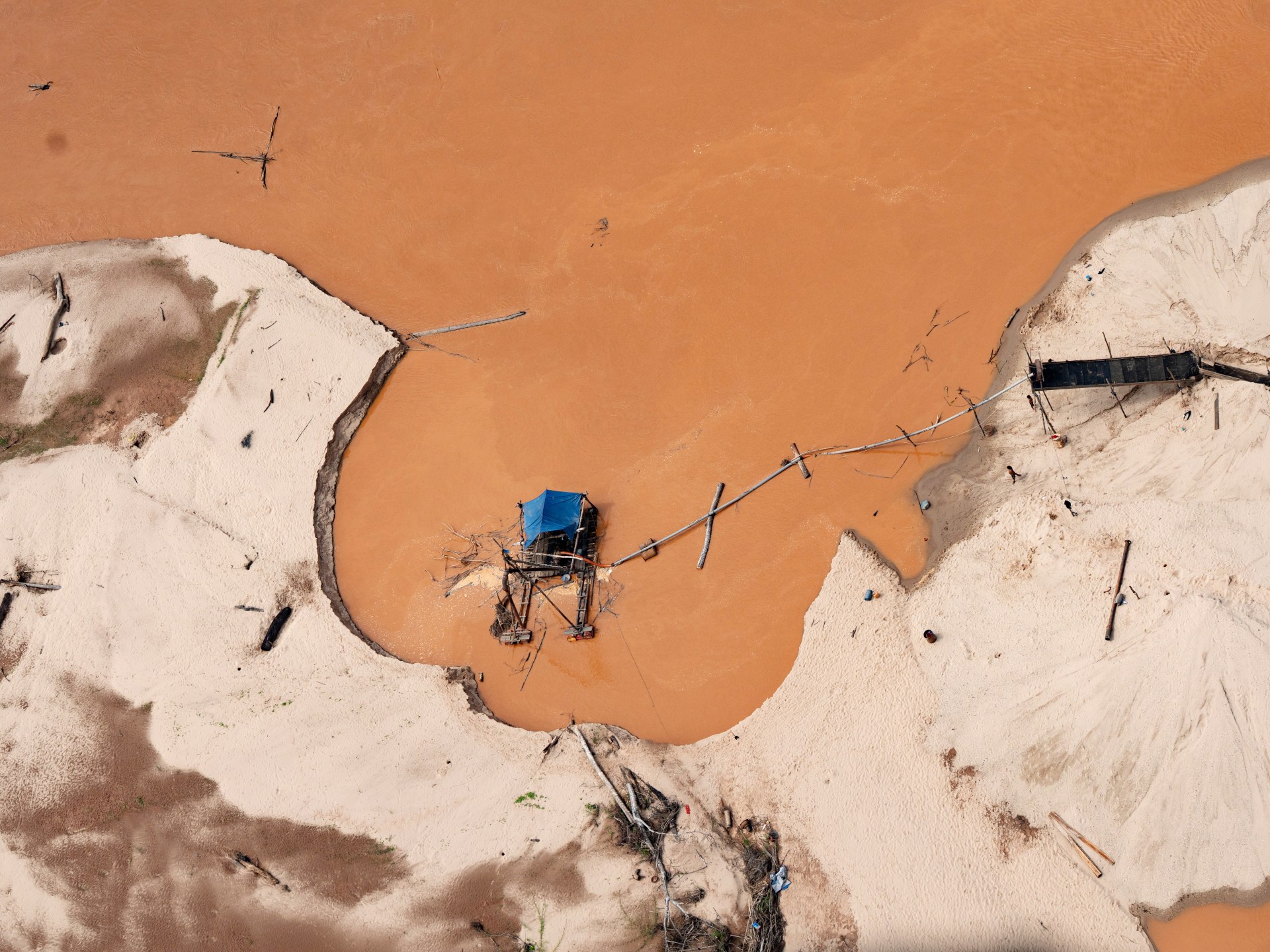
Geopolitical & Core Developments
A catastrophic structural collapse at an artisanal gold extraction site in southwestern Colombia has claimed the lives of at least 14 miners and left seven others critically injured. The disaster occurred in an informal mining cluster long targeted by state regulators for operating without environmental permits or structural safety oversight. Emergency response teams and regional civil defense personnel deployed to the scene faced hazardous geotechnical conditions, as unstable earth and persistent subterranean moisture hampered search-and-recovery operations.
The incident highlights the intractable security and governance challenges facing the administration of President Gustavo Petro. Across Colombia's mineral-rich peripheral departments, non-state armed groups, including dissident factions of the Revolutionary Armed Forces of Colombia (FARC) and the National Liberation Army (ELN), have diversified their revenue streams away from traditional narcotics trafficking toward illicit gold extraction. Often termed 'blood gold,' this unregulated extraction generates billions of dollars annually, entrenching criminal control over rural territories, degrading critical river basins through uncontrolled mercury contamination, and presenting severe enforcement challenges for state security forces.
Global Trade & Economic Ripples
The disaster coincides with record-setting global gold prices, which have traded near historic highs amid geopolitical volatility, currency debasement concerns, and aggressive sovereign reserve accumulation by central banks worldwide. Elevated benchmark bullion prices have created an aggressive incentive structure for wildcat mining across South America's Andean and Amazonian basins, driving capital into precarious extraction ventures lacking technical engineering.
For international markets, this fatal event reinforces heightened scrutiny on physical precious metals supply chains. Illicitly mined gold from Colombia is frequently integrated into legal supply networks through regional shell corporations and fraudulent export documentation, subsequently reaching major international refining hubs in Switzerland, the United Arab Emirates, and North America. Global refiners and bullion traders are encountering intensified regulatory friction under the OECD Due Diligence Guidance and the US Dodd-Frank framework. Financial institutions and institutional commodity traders are increasingly demanding traceable provenance, raising compliance and auditing costs across Latin American mineral trade desks.
Related Intelligence: Historic El Nino Intensifies Threatening Global Food Supply Chains and Trade
International Reactions & Diplomatic Stances
Regional governance bodies and human rights organizations have voiced profound concern over the recurrence of preventable industrial casualties in informal extraction corridors. Colombian government officials reiterated pledges to dismantle criminal mining rings while simultaneously advancing formalization programs designed to integrate impoverished artisanal miners into the legal regulatory matrix. However, domestic mining associations have noted that bureaucratic inertia and security deficits continue to thwart formalization initiatives.
At the multilateral level, representatives from the United Nations Office on Drugs and Crime (UNODC) have consistently warned that illegal gold mining has surpassed cocaine production as the most lucrative illicit financial engine in parts of Colombia and Peru. Diplomatic partners, including the European Union and the United States, have indicated that future trade preferences and bilateral development assistance will remain tightly tied to environmental protection, supply chain transparency, and the eradication of forced labor in extractive jurisdictions.
Strategic Outlook & Future Scenarios
Moving forward, the Colombian government is expected to increase security deployments across vulnerable mining sectors in Cauca and Narino, likely prompting targeted military interdictions against heavy machinery deployed by illegal syndicates. These enforcement sweeps, while necessary for structural containment, risk triggering localized social friction with rural populations dependent on informal mining for baseline economic subsistence.
On the international stage, expect tightened oversight at international logistics terminals and heightened pressure on multinational refiners to adopt advanced geochemical and digital tracing protocols to isolate untracked bullion. If global macroeconomic uncertainty sustains current gold valuations, the commercial spread between formalized, ethically certified bullion and unrefined informal ore will widen, forcing global buyers to re-evaluate their exposure to Andean supply lines.
Join Our Official WhatsApp Channel
Receive live commodity alerts, policy changes, and commercial intelligence directly on WhatsApp.