
Ethiopia Stands on Brink as Tigray Tensions Threaten Regional Stability
Escalating tensions between Addis Ababa and the Tigray People's Liberation Front threaten to reignite a devastating conflict, endangering East African stability and regional trade routes.
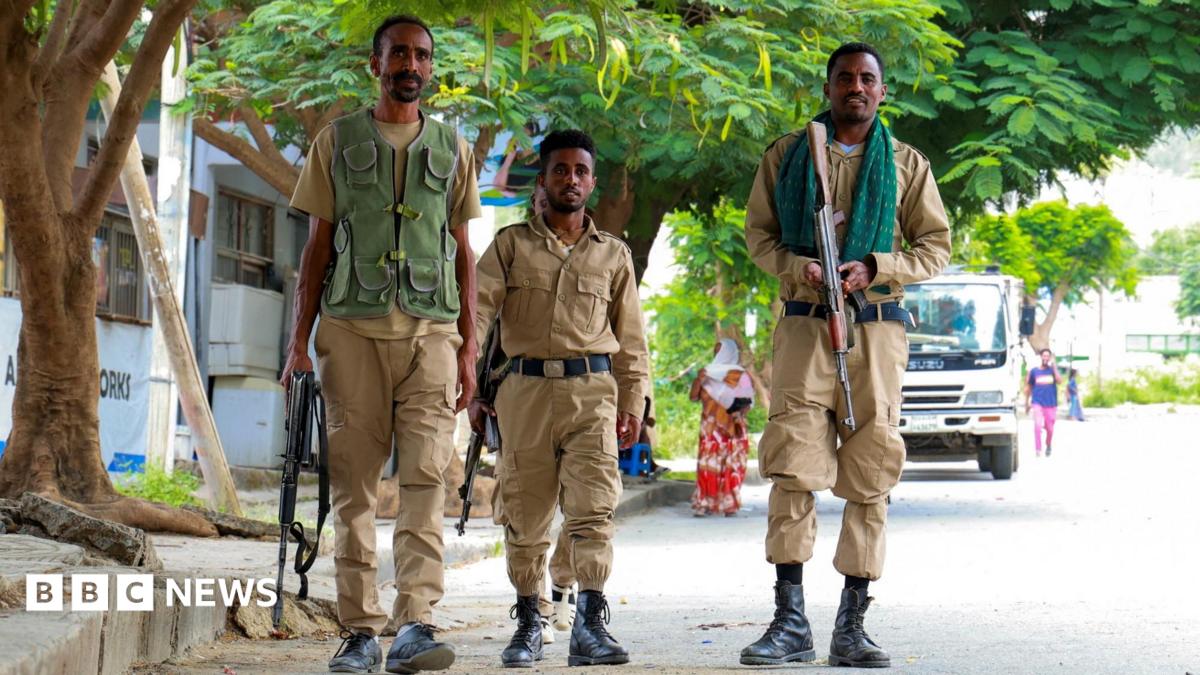
Geopolitical & Core Developments
Tensions between the federal government of Ethiopia and the Tigray People's Liberation Front (TPLF) have reached a critical juncture, raising serious international concerns that the fragile 2022 Pretoria Agreement is unravelling. Despite the cessation of active, large-scale combat that previously claimed hundreds of thousands of lives and displaced millions, implementation of the peace accord has faced persistent political and territorial deadlocks. Disputed zones in western and southern Tigray, the delayed disarmament of regional forces, and the slow return of displaced populations remain major flashpoints. Addis Ababa maintains that state authority must be absolute across all federal territories, while Tigrayan leadership accuses the central government of failing to honor constitutional boundaries and humanitarian commitments. The accumulation of federal military assets near regional borders and heightened rhetoric from both political capitals have transformed a political standoff into a volatile security crisis, testing the limits of regional diplomacy and domestic institutional resilience.
[Global Trade](/news/pm-shehbaz-demands-free-navigation-ungh-hormuz-bab-al-mandab) & Economic Ripples
While the immediate crisis remains localized, the commercial implications for the wider Horn of Africa are profound. Ethiopia serves as a critical economic anchor for East Africa, and any resumption of prolonged internal conflict threatens vital transport corridors, including the primary trade routes linking landlocked Ethiopia to the port of Djibouti. Supply chains for key regional commodities—most notably coffee, oilseeds, and pulses—face immediate disruption risk, threatening export revenues and straining international commodity markets. Furthermore, increased defense expenditures by the federal government risk exacerbating Ethiopia's foreign currency shortages, intensifying inflationary pressures, and complicating ongoing sovereign debt restructuring negotiations with international creditors and the International Monetary Fund (IMF).
Related Intelligence: Netanyahu UN Address Deepens Diplomatic Rifts and Shakes Commodity Markets
International Reactions & Diplomatic Stances
Global powers and multilateral institutions have mobilized urgent diplomatic channels to avert a return to full-scale warfare. The United Nations, the African Union, and the Intergovernmental Authority on Development (IGAD) have issued coordinated appeals for immediate restraint, emphasizing that the complete implementation of the Pretoria Agreement is the sole viable pathway to lasting peace. Western diplomatic missions in Addis Ababa have intensified engagements with federal officials and regional leaders, warning against any unilateral military actions that could invite targeted international sanctions or jeopardize foreign direct investment. Market analysts and risk-rating agencies are closely monitoring the security matrix, cautioning that prolonged instability in Ethiopia could severely undermine investor confidence across the entire East African common market.
Strategic Outlook & Future Scenarios
Looking ahead, the trajectory of the crisis depends heavily on whether backchannel negotiations can successfully defuse territorial disputes before localized skirmishes escalate into generalized warfare. Upcoming diplomatic summits and ministerial consultations within the African Union framework will serve as critical tests for regional mediation capacity. If dialogue fails, the resumption of conflict could trigger renewed refugee flows into neighboring Sudan, Eritrea, and Kenya, compounding existing humanitarian emergencies in the region. Conversely, a renewed commitment to institutional dialogue could stabilize the political transition, secure critical international financial assistance, and reinforce Ethiopia's strategic role as a stabilizing pillar in the Horn of Africa.
Join Our Official WhatsApp Channel
Receive live commodity alerts, policy changes, and commercial intelligence directly on WhatsApp.