
Egypt Signals Military Readiness to Defend Saudi Arabia Amid Regional Tensions
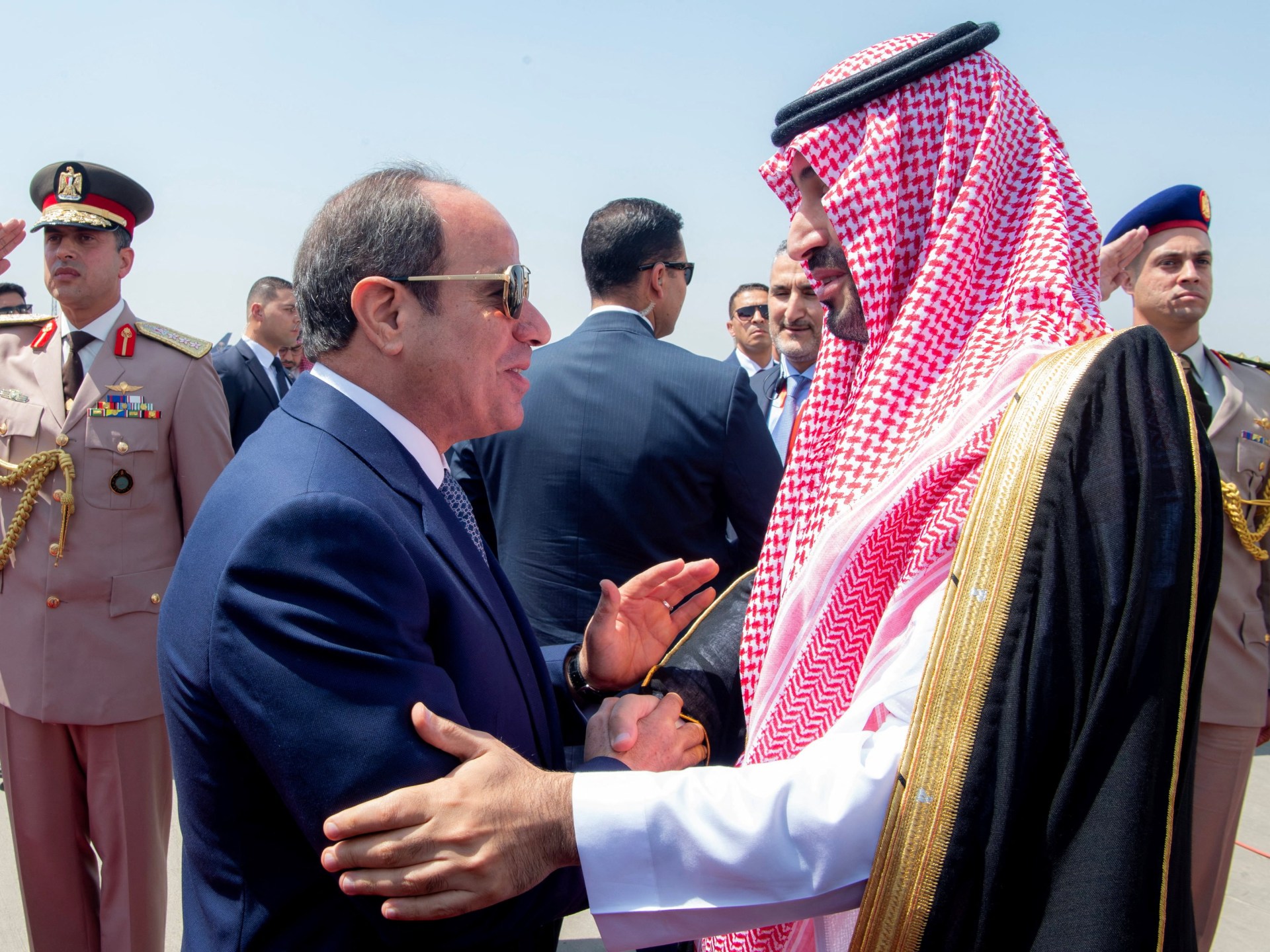
Egyptian President Abdel Fattah el-Sisi has declared readiness to take any necessary defence measures to support Saudi Arabia, reinforcing mutual security pacts and stabilizing vital Red Sea shipping corridors.
Geopolitical & Core Developments
Egyptian President Abdel Fattah el-Sisi has formally signaled his administration's intent to provide comprehensive defence assistance to Saudi Arabia, affirming that Cairo stands prepared to adopt any required operational posture should Riyadh formally request it. Speaking during high-level strategic deliberations, el-Sisi framed the security of the Arabian Peninsula as an indivisible extension of Egypt's own national defence doctrine. This affirmation underscores an enduring security partnership between Cairo and Riyadh, which has historically functioned as a counterweight against asymmetric regional threats, maritime disruption, and state-sponsored proxy networks.
The strategic relationship between Egypt and Saudi Arabia forms the bedrock of traditional security architecture in the Arab world. Egypt boasts the region's largest conventional ground force and an expanding naval fleet positioned along the Mediterranean and Red Sea littorals, while Saudi Arabia represents the financial and logistical nexus of the Gulf Cooperation Council. The reiteration of mutual defence commitments comes as the broader Middle East navigates elevated security frictions, with volatile maritime theaters in the Bab el-Mandeb strait and persistent risks surrounding energy infrastructure driving demand for consolidated regional security guarantees.
Global Trade & Economic Ripples
The formal alignment between Cairo and Riyadh carries direct ramifications for international commerce, particularly energy transport and maritime freight. The Red Sea and the Suez Canal represent critical choke points through which approximately 12 percent of global trade and roughly 10 percent of seaborne petroleum transit. Any joint military posturing or cooperative naval patrol mechanism directly influences war-risk insurance premiums for commercial tankers operating in adjacent international waters.
Global energy markets remain acutely sensitive to collective security pacts involving the world's leading crude exporters. By projecting conventional deterrence across the Red Sea basin, the Cairo-Riyadh alignment seeks to mitigate the threat of supply disruptions that historically induce volatility in benchmark Brent crude contracts. Furthermore, Saudi Arabia remains an indispensable financial partner for Egypt, extending multi-billion-dollar central bank deposits and direct foreign investments that support the stability of the Egyptian pound. Deepening defence commitments institutionalize this economic-security reciprocity, providing reassurance to institutional investors operating across North Africa and the Levant.
Related Intelligence: Middle East War Spikes Fuel Costs, Triggering Philippine Solar Expansion
International Reactions & Diplomatic Stances
Regional and international stakeholders have monitored Cairo's stance with keen interest. Western defence analysts characterize the pronouncement as a stabilization signal, aimed at reassuring commercial shipping conglomerates and regional allies that conventional state actors are prepared to safeguard sovereign territory and key maritime lanes. Commercial maritime monitoring agencies noted that formal military backstopping by Egypt could alleviate operational risks for bulk carriers and oil tankers traversing the southern approaches to the Suez Canal.
Diplomatic observers within the United Nations and regional bodies emphasize the necessity of maintaining established international borders and preventing unilateral cross-border incursions. Meanwhile, analysts in the energy sector observe that sovereign guarantees from Cairo reinforce the credibility of Saudi Arabia's defensive depth, effectively dampening long-term speculative premiums on crude oil futures that typically emerge during periods of regional ambiguity.
Strategic Outlook & Future Scenarios
The trajectory of this security arrangement will depend on whether formal mechanisms, such as joint naval task forces, shared intelligence networks, or rapid-deployment protocols, are triggered. In the coming quarters, regional defence summits and bilateral military exercises are anticipated to validate the logistical framework required for cross-theater force projection.
Should security dynamics around maritime energy corridors deteriorate further, coordinated naval deployments by Egyptian and Saudi armed forces along the southern Red Sea could become an operational reality. Alternatively, should broader diplomatic normalization initiatives throughout the Middle East gain traction, el-Sisi's pronouncements will serve as a foundational deterrence baseline, reassuring capital markets, international shipping consortia, and foreign partners that core energy and logistics corridors remain under coordinated state-level protection.
Join Our Official WhatsApp Channel
Receive live commodity alerts, policy changes, and commercial intelligence directly on WhatsApp.