
Houthi Strikes on Aden Threaten Red Sea Stability and Fragile Peace
Coordinated Houthi strikes targeting government assets in Aden heighten regional instability, threatening fragile peace negotiations and escalating risk premiums across vital maritime shipping corridors.
Geopolitical & Core Developments
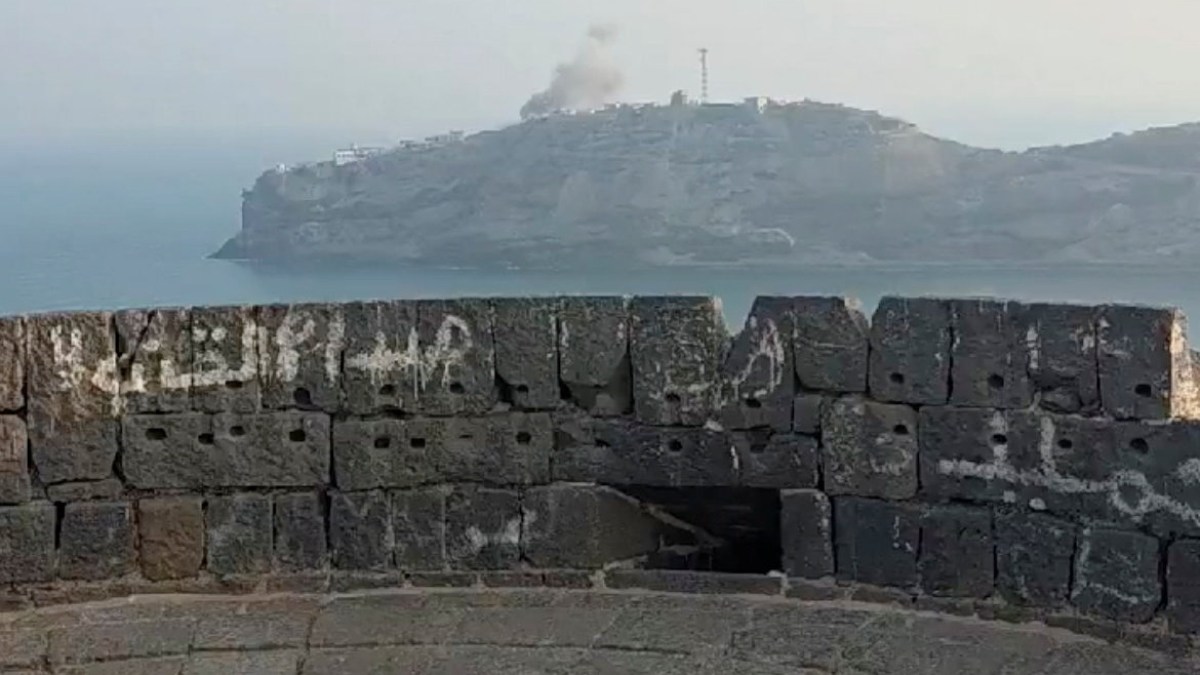
In a sharp escalation of Yemen's protracted conflict, Iran-aligned Houthi forces launched targeted drone and missile strikes against key strategic installations in the interim capital of Aden. The coordinated assault struck proximate to the Maashiq Presidential Palace, the primary seat of the internationally recognized Presidential Leadership Council (PLC), as well as operational infrastructure adjacent to Aden International Airport.
This offensive marks a decisive shift in the operational posture of the Houthi movement, formally known as Ansar Allah. For several months, the group had concentrated its military output outward toward commercial maritime assets in the Red Sea and Gulf of Aden. By redirecting offensive assets toward the domestic administrative center of the southern coalition, the Houthis have broken a de facto lull in high-profile attacks against southern government targets. The strategic objective appears twofold: testing the operational readiness of the Saudi-backed coalition defenses and asserting leverage as diplomatic overtures led by the Sultanate of Oman stall. Regional intelligence indicates that the timing coincides with attempts by the PLC to consolidate fiscal and administrative authority over southern governorates, a move that directly challenges northern economic dominance.
Global Trade & Economic Ripples
While the primary theater of kinetic engagement remains localized, the broader implications for international commerce are immediate. Aden occupies a pivotal logistical perimeter along the Gulf of Aden, acting as the commercial maritime gateway to the Bab al-Mandeb Strait. Heightened internal volatility in the port city compounds the systemic fragility already confronting commercial transit through the Suez Canal corridor.
Maritime insurers have responded swiftly to the renewed attacks, expanding the designation of high-risk operational zones to encompass peripheral anchorages off Aden. War risk insurance premiums, which had stabilized following initial operational adjustments by global carriers, face renewed upward pressure. Shipping liners that had considered resuming regional transshipment hubs are re-evaluating route viability, favoring continued diversion around the Cape of Good Hope. This prolonged deviation maintains inflated bunker fuel consumption, extends global transit times for liquid natural gas (LNG) and dry bulk commodities, and places continued strain on regional food commodity supply chains, predominantly grains bound for East African and Middle Eastern markets.
Related Intelligence: Bangladesh Measles Crisis Signals Regional Supply Chain and Health Risks
International Reactions & Diplomatic Stances
Global diplomatic bodies have voiced severe concern regarding the derailment of United Nations-brokered stabilization frameworks. The Office of the UN Special Envoy for Yemen issued a formal statement urging absolute military restraint, underscoring that direct strikes on administrative infrastructure threaten to reverse months of technical dialogue aimed at establishing an enduring nationwide ceasefire.
Saudi Arabia’s Ministry of Foreign Affairs condemned the aggression, reiterating its strategic commitment to the security of the PLC and warning that unilateral escalation undermines ongoing Saudi-Omani mediation tracks. In Washington, the Department of State described the strikes as a deliberate destabilization effort orchestrated with Iranian technological assistance, affirming continued defensive cooperation with regional partners. European Union diplomatic representatives echoed these concerns, emphasizing that targeted operations against municipal and transit hubs imperil civilian safety and hinder the distribution of essential humanitarian aid throughout Yemen's southern corridors.
Strategic Outlook & Future Scenarios
Looking forward, the operational landscape suggests multiple vectors of sustained escalation. Should the Houthis persist with sustained strikes against Aden’s logistical nodes, the PLC and its coalition partners may be forced to initiate retaliatory interdiction operations along the western coastal governorate of Hodeidah. Such a response would likely dismantle remaining confidence-building measures, terminating multilateral discussions regarding public-sector revenue sharing and oil export resumption.
Furthermore, the prospect of expanded Western sanctions targeting Houthi financial and procurement networks remains elevated. The United States and its maritime coalition partners may expand targeted interdiction mandates to sever regional arms flows entering non-monitored Yemeni ports. Consequently, global markets must prepare for persistent geopolitical friction around Bab al-Mandeb, keeping shipping costs volatile and entrenching the strategic uncertainty governing critical trade choke points throughout 2024.
Join Our Official WhatsApp Channel
Receive live commodity alerts, policy changes, and commercial intelligence directly on WhatsApp.