
Saudi Arabia Postpones Elite Tennis Showcase Amid Escalating Regional Security Risks
Saudi organizers have delayed the star-studded Six Kings Slam tennis tournament to December as persistent regional conflict and security escalations complicate the kingdom's high-visibility international sports initiatives.
Geopolitical & Core Developments
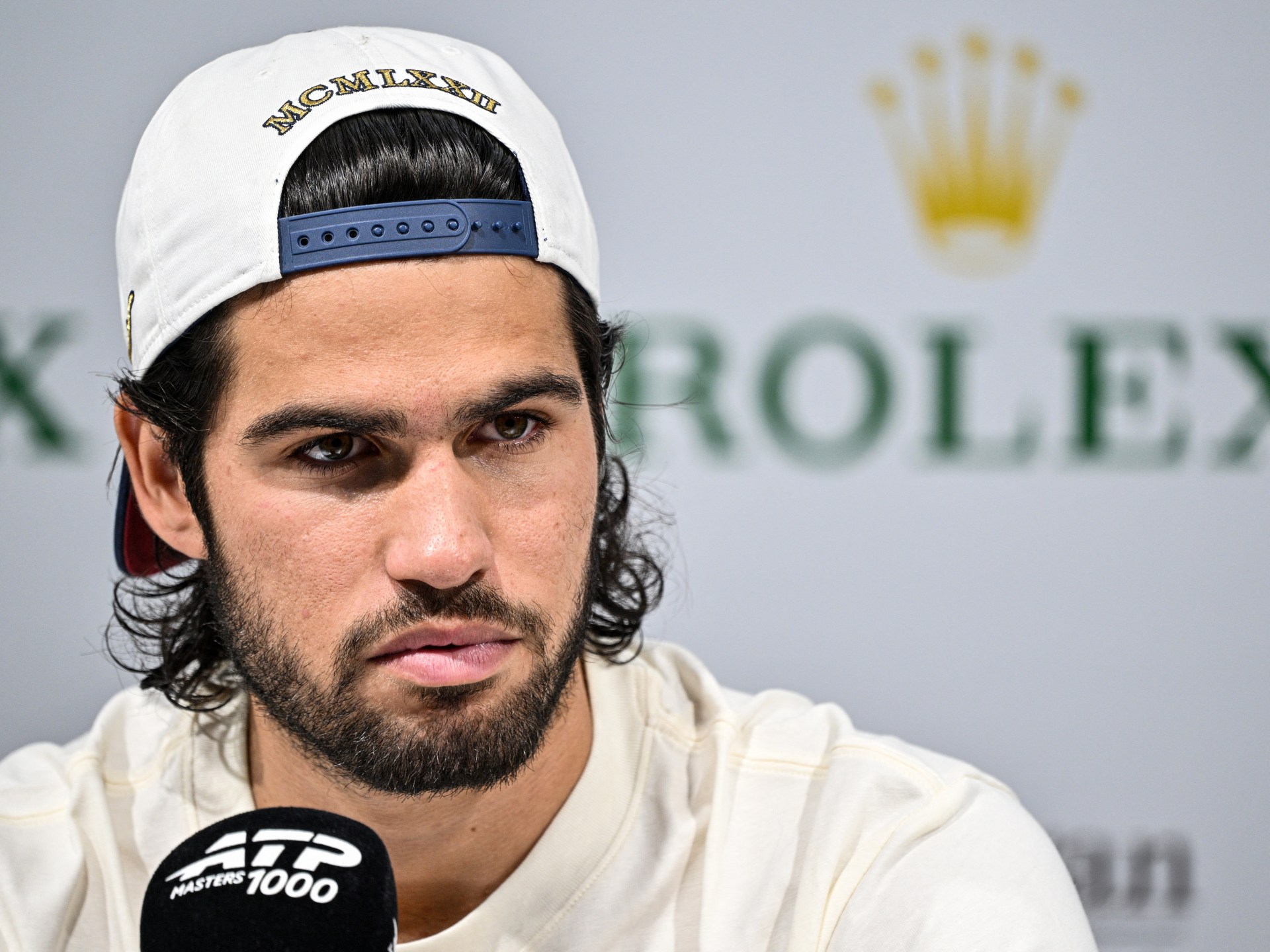
Saudi Arabian organizers have officially deferred the inaugural Six Kings Slam—an elite exhibition tennis tournament featuring Grand Slam champions Novak Djokovic, Carlos Alcaraz, and Rafael Nadal—pushing the event from its scheduled October timeline to December. While formally framed around scheduling realignments, diplomatic and regional security sources confirm the operational postponement stems from intensifying volatility across the Arabian Peninsula and the broader Middle East.
The regional threat landscape has deteriorated sharply following sustained missile and drone operations by Yemen's Houthi movement, targeting maritime corridors in the southern Red Sea and raising domestic civil defense precautions across the Gulf. Riyadh has navigated a fragile, Chinese-brokered detente with Tehran alongside delicate truce negotiations with Sanaa; however, broader spillover from Mediterranean and Levantine theaters continues to test Gulf state stability. For Saudi Arabia, which has committed tens of billions of dollars under Vision 2030 to rebrand the kingdom as a global sports, tourism, and logistics hub, managing international security optics while hosting world-renowned sporting icons has emerged as an acute operational challenge.
Global Trade & Economic Ripples
The postponement underscores the persistent commercial drag exerted by regional geopolitical fractures. The primary economic transmission channel remains the Bab el-Mandeb strait, where commercial shipping diversion around the Cape of Good Hope has entered its third consecutive quarter. The persistent threat of strikes has structurally elevated container freight rates, war-risk insurance premiums, and transit durations between Asia and European consumption hubs.
For global commodity traders, the localized disruption within Saudi borders highlights the lingering physical risks confronting critical infrastructure. Energy markets remain hypersensitive to any escalation threatening Saudi Arabian Aramco distribution nodes or export terminals on both the Red Sea and Persian Gulf coastlines. While crude oil benchmarks have intermittently traded on broader macroeconomic headwinds, the implied geopolitical risk premium remains anchored. Furthermore, sovereign investment vehicles managing large-scale entertainment, tourism, and urban development projects face elevated capital costs and deferred returns as international participants reassess localized risk exposure.
Related Intelligence: Pakistan and Oman Deepen Bilateral Trade and Regional Peace Efforts
International Reactions & Diplomatic Stances
Multilateral bodies and sovereign governments have maintained cautious stances regarding the regional security trajectory. United Nations Special Envoy for Yemen Hans Grundberg has repeatedly urged all regional combatants to practice maximum restraint, warning that ongoing maritime skirmishes and retaliatory strikes threaten to derail hard-won diplomatic progress between Riyadh and Sanaa.
Western defense ministries, led by the United States and the United Kingdom under Operation Prosperity Guardian, have reiterated commitments to defending international waterways while privately encouraging Gulf partners to fortify domestic infrastructure protocols. Market analysts at leading sovereign risk consultancies noted that while Saudi Arabia's core industrial assets remain heavily fortified, the kingdom's emerging soft-power apparatus—spanning sports, entertainment, and commercial tourism—is uniquely sensitive to international security perceptions, compelling state planners to adopt hyper-conservative scheduling measures for major global events.
Strategic Outlook & Future Scenarios
The trajectory heading into the fourth quarter depends heavily on broader regional ceasefire negotiations and the containment of maritime hostilities. Should diplomatic efforts yield an interim truce in regional combat theaters, Riyadh is expected to proceed with its December sports calendar, leveraging sovereign guarantees to reassure international athletes and foreign visitors.
Conversely, an intensification of cross-border aerial engagements or expanded strikes against commercial hubs could compel Gulf Cooperation Council economies to adjust additional high-profile public gatherings and investment symposiums. Over the medium term, Riyadh will continue balancing defensive military preparedness with its ambitious Vision 2030 transformation agenda, seeking to insulate its domestic diversification drive from enduring Middle Eastern geopolitical friction.
Join Our Official WhatsApp Channel
Receive live commodity alerts, policy changes, and commercial intelligence directly on WhatsApp.