
New Delhi Enforces Early Winter Pollution Controls Amid Regional Smog Risks
Authorities in New Delhi have instituted stringent winter emissions curbs to mitigate toxic smog, carrying immediate implications for cross-border air quality and regional supply chain logistics.
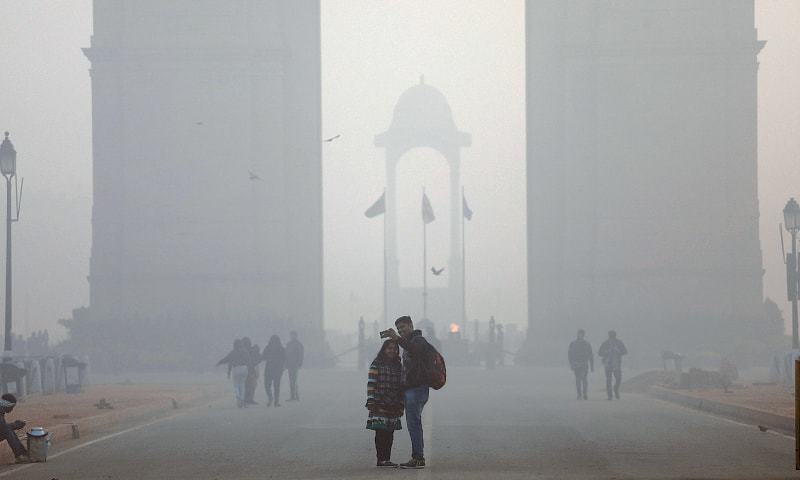
The Core Development
Municipal authorities in New Delhi have officially activated stage-based mitigation measures to counter escalating air toxicity across India's National Capital Region (NCR). Home to more than 30 million residents, the megacity routinely registers among the most polluted urban centers globally. With the onset of lower ambient temperatures, meteorological thermal inversions trap industrial emissions, vehicular exhaust, and particulate matter close to the surface, creating persistent hazardous atmospheric conditions.
The Delhi state administration announced immediate administrative interventions, including a blanket prohibition on open municipal solid waste burning and mandatory directives requiring commercial food stalls, roadside vendors, and eateries to halt the use of coal and firewood. These curbs precede the seasonal agricultural cycle in the neighboring agrarian belts of Punjab and Haryana, where post-harvest paddy stubble burning releases massive volumes of airborne particulates.
Historically, reactive municipal measures have struggled to arrest the degradation of air quality between November and January. During this peak period, concentrations of PM 2.5 microparticles—respirable carcinogens capable of penetrating deep into lung tissue—regularly surpass 300 micrograms per cubic metre. This figure exceeds the World Health Organization's recommended daily safety threshold by more than twentyfold, presenting an acute public health and regulatory challenge.
Commercial & Economic Implications
While the direct administrative mandates apply within Indian territorial limits, the broader phenomenon of northern subcontinent winter smog exerts direct economic and commercial pressure on Pakistan, particularly across the shared airshed of Punjab province. Commercial transit, logistics, and wholesale commodity distribution in industrial hubs such as Lahore, Gujranwala, and Faisalabad face severe seasonal friction due to reduced visibility and corresponding transport restrictions.
For Pakistani traders and wholesale operators, prolonged periods of dense seasonal smog typically lead to highway closures on the M-2 and M-3 motorways, resulting in transit delays for perishable produce, FMCG shipments, and imported industrial inputs. Secondary logistics costs climb as freight operators reduce operating speeds and navigate congested secondary routes, increasing fuel consumption and vehicle downtime. Furthermore, regional air pollution contributes to worker absenteeism across labor-intensive wholesale distribution centers, retail markets, and light manufacturing plants, compounding operational overheads.
At a macroeconomic scale, health-related expenditures rise sharply across affected urban centers, diverting discretionary consumer spending away from retail goods toward medical treatments and preventative health measures. The recurrence of transboundary atmospheric pollution also complicates energy demand projections, as local markets brace for winter fuel switching amid constrained natural gas supplies.
Related Intelligence: Busan Canal Shark Operation Spotlights Urban Waterway Management and Marine Commerce
Stakeholder Perspectives & Market Reactions
Regional trade bodies and agricultural representatives across both sides of the border have expressed caution regarding unilateral administrative prohibitions that do not address systemic economic drivers. Small-scale food vendors and micro-enterprises in New Delhi have raised operational concerns over the sudden mandated transition from coal and firewood to liquefied petroleum gas or electrical appliances, citing tight operating margins and working capital constraints.
In Pakistan, cross-border environmental analysts and chamber of commerce representatives continue to advocate for synchronized airshed management strategies. Legal experts note that absent institutionalized bilateral environmental frameworks between Islamabad and New Delhi, municipal clampdowns remain piecemeal. Industrial bodies in Pakistan have urged domestic provincial administrations to enact proactive agricultural residues management and industrial scrubbers rather than resorting to disruptive, reactionary commercial shutdowns during high-smog episodes.
Forward Outlook & Key Watchpoints
The effectiveness of Delhi's administrative orders will face an immediate test as the peak stubble-burning window opens over the coming weeks. Market participants are monitoring the enforcement rigor of local regulatory teams tasked with penalizing open combustion and illegal fuel use across urban districts.
Key watchpoints for Pakistani commercial stakeholders include the seasonal activation of the Graded Response Action Plan (GRAP) across the border and subsequent smog alert levels issued by the Punjab Environment Protection Department in Pakistan. Persistent smog concentrations will likely trigger school closures, restricted retail operating hours, and localized vehicular bans across major Pakistani commercial corridors, directly affecting retail footfall and fourth-quarter supply chain continuity.
Join Our Official WhatsApp Channel
Receive live commodity alerts, policy changes, and commercial intelligence directly on WhatsApp.