
Starbucks Tightens China Store Policy Amid Escalating Retail Rivalry
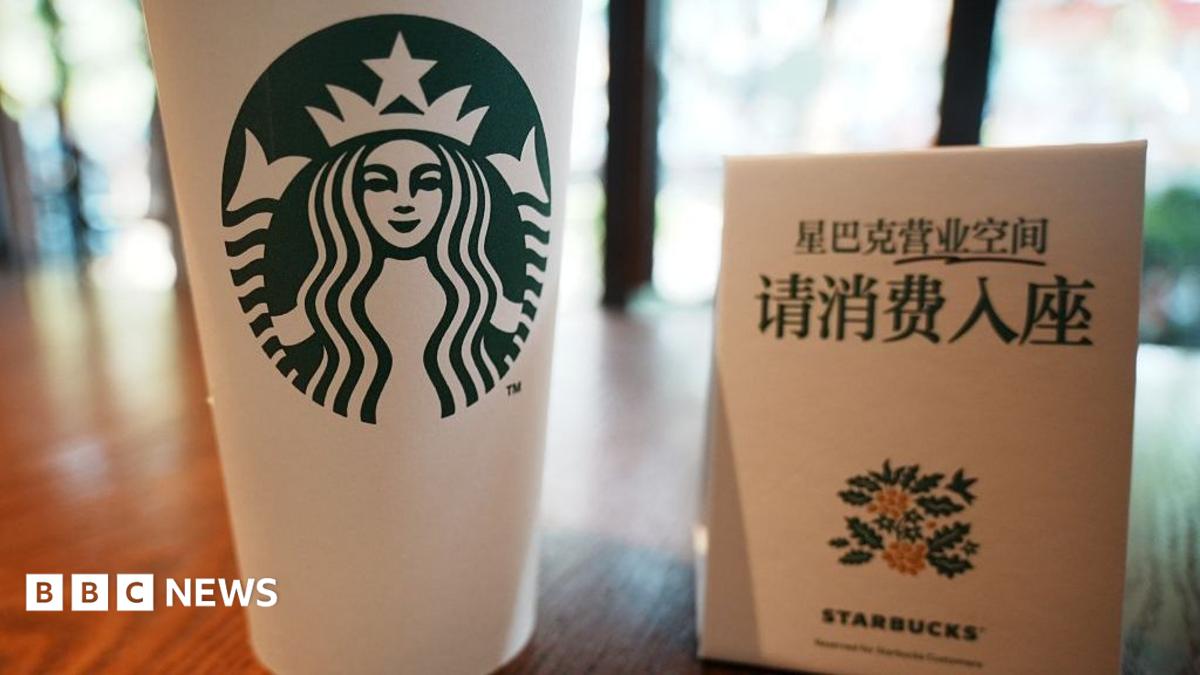
Starbucks has implemented a purchase requirement for seating in China, signaling intense defensive measures against domestic competitors amidst shifting consumer spending patterns in the world's second-largest economy.
Geopolitical & Core Developments
Starbucks has introduced a formalized 'no purchase, no seats' policy across its retail network in mainland China, marking a significant strategic departure from its long-standing 'third place' philosophy. For more than two decades, the Seattle-based coffee giant operated its premises as communal meeting spaces, allowing visitors to dwell without an overt requirement to purchase goods. This model was instrumental in fostering Western-style cafe culture among China's urban middle class. However, the introduction of stricter store governance reflects acute operational distress amid intensifying domestic competition and protracted domestic economic realignments.
The development highlights a broader corporate battlefield in the world's second-largest consumer market. Chinese home-grown brands, led by Luckin Coffee and Cotti Coffee, have mounted an aggressive campaign defined by hyper-localized menu innovation, rapid digital ordering infrastructure, and steep price discounting. Luckin, which surpassed Starbucks in mainland revenue in 2023, has maintained rapid store opening rates, squeezing foreign entrants into margin-defense strategies. Beijing's macro-environment, characterized by youth unemployment concerns, sluggish retail consumption, and a protracted real estate adjustment, has driven Chinese consumers toward value-oriented domestic alternatives, forcing multinational enterprises to defend per-square-meter revenue.
Global Trade & Economic Ripples
The defensive pivot by Starbucks underscores broader structural ripples throughout the global agricultural and retail supply chains. China remains a primary growth engine for global green coffee demand, with multinational procurement directly impacting Arabica benchmark futures on the Intercontinental Exchange (ICE). As domestic Chinese chains favor cost-effective, high-volume Robusta blends sourced from Southeast Asia, particularly Vietnam and Yunnan province, sustained pressure on Starbucks' commercial footprint could recalibrate international raw coffee bean trade flows away from premium Latin American producers.
Furthermore, the move mirrors the operational squeeze felt by multinational consumer discretionary giants across East Asia. Rising urban commercial real estate leases, combined with deflationary consumer pressure, have constrained operating margins. Multinational corporations are increasingly reliant on currency hedging to offset the softer onshore yuan (CNY) against a strong US dollar, complicating profit repatriation for foreign-listed consumer franchises. The commercial imperative to monetize retail floor space directly reflects these international currency and trade frictions.
Related Intelligence: Severe Indonesian Peat Fires Threaten Agricultural Supply Chains and Climate Targets
International Reactions & Diplomatic Stances
Market analysts and equity research desks across New York, London, and Hong Kong have interpreted the operational tightening as an inevitable, if risky, reaction to structural margin compression. Financial analysts noted that Starbucks must balance brand equity protection against the risk of alienating aspirational consumers who viewed the chain as an accessible luxury and social sanctuary. Consumer sentiment on Chinese social platforms such as Weibo and Xiaohongshu indicated mixed reactions, with some patrons lamenting the erosion of hospitality standards while others acknowledged the business necessity of curbing overcrowding by non-paying remote workers.
State-affiliated Chinese commerce groups have positioned the development as evidence of the maturing domestic retail landscape, emphasizing that foreign capital must adapt to increasingly sovereign, highly competitive local market dynamics. Western business councils in Shanghai and Beijing have refrained from formal commentary on individual enterprise practices, yet privately acknowledge that the era of foreign retail exceptionalism in China has definitively ended, replaced by cutthroat domestic commercial rivalry.
Strategic Outlook & Future Scenarios
Moving forward, the trajectory of international food and beverage conglomerates in China hinges on their capacity to balance operational efficiency with brand differentiation. Starbucks is expected to accelerate its operational decentralization, investing further in lower-tier Chinese cities while enhancing automated, express-store footprints to rival local digital-first competitors. However, if domestic price competition persists, the brand may face difficult trade-offs between pricing power and market share retention.
In the medium term, strategic scenarios could see foreign operators adopting joint-venture models or local equity partnerships to mitigate political and commercial exposure. As bilateral geopolitical frictions between Washington and Beijing continue to simmer over trade tariffs, advanced technology, and cross-border data governance, consumer-facing US multinationals remain structurally vulnerable to consumer shifts favoring domestic champions. The retail floor space has become a proxy for global enterprise resilience in an increasingly fragmented international market.
Join Our Official WhatsApp Channel
Receive live commodity alerts, policy changes, and commercial intelligence directly on WhatsApp.