
US Warns Tehran Peace Deal Unlikely Amid Persistent Strait of Hormuz Disruptions
Washington has cautioned that achieving a lasting peace agreement with Tehran remains improbable as ongoing maritime disruptions in the Strait of Hormuz heighten geopolitical instability and threaten international energy corridors.
Geopolitical & Core Developments
Diplomatic efforts to de-escalate tensions between Washington and Tehran have encountered a formidable impasse following explicit warnings from senior United States leadership. In recent statements, prominent US foreign policy officials, including Senator Marco Rubio, indicated that negotiating a durable peace framework with the Islamic Republic of Iran remains fundamentally unviable as long as hostilities and asymmetric attacks persist within the Strait of Hormuz.
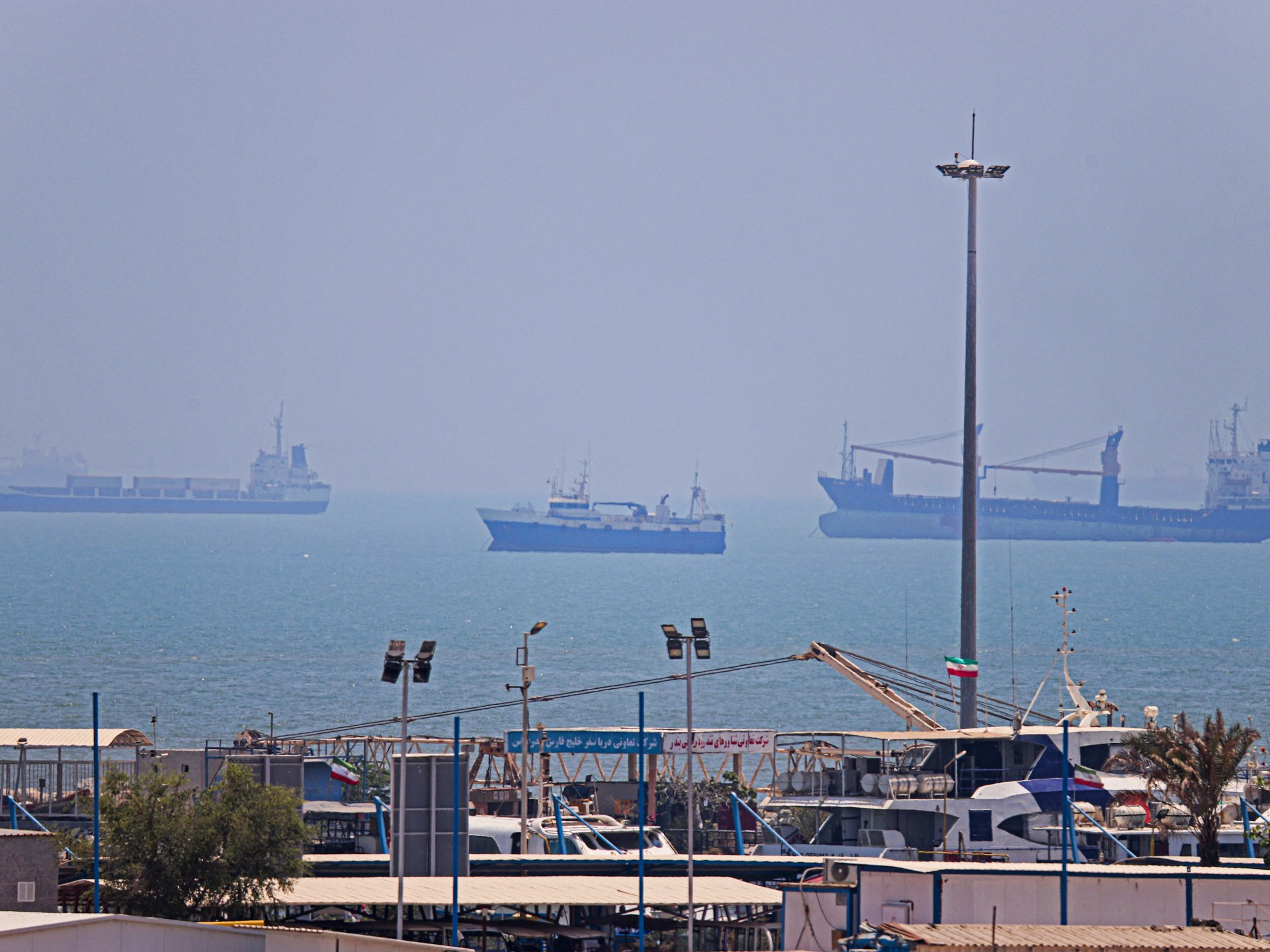
The strategic waterway, through which approximately one-fifth of the world's liquid petroleum consumption passes, has become the primary theater of indirect confrontation. Recent weeks have witnessed a resumption of coordinated harassment against commercial maritime assets, including drone incursions, electronic jamming, and naval interdictions attributed to Iranian-aligned actors and the Islamic Revolutionary Guard Corps (IRGC). Washington maintains that constructive diplomatic dialogue cannot proceed under the duress of maritime coercion, signaling a hardened negotiating posture that prioritizes regional maritime security over immediate diplomatic settlements.
Tehran, conversely, frames its heightened naval presence as a defensive countermeasure against Western naval deployments and unilateral economic sanctions. This divergence in core strategic postures has effectively stalled multilateral mediation initiatives facilitated by regional interlocutors, establishing a protracted standoff characterized by elevated risks of direct military engagement.
[Global Trade](/news/us-midterm-elections-geopolitical-impact-global-trade) & Economic Ripples
The hardening of diplomatic positions has triggered immediate reverberations across international energy markets and commercial shipping lanes. Brent crude and West Texas Intermediate (WTI) have registered persistent risk premiums, with energy traders closely assessing the structural vulnerability of Persian Gulf transit corridors. Sustained insecurity in the Strait of Hormuz threatens not only oil flows but also liquefied natural gas (LNG) export reliability from major producers, most notably Qatar.
Commercial maritime operations face systemic disruptions. Maritime underwriters have revised Joint War Committee hull risk designations, resulting in escalated war-risk premiums for vessels traversing the Persian Gulf and Gulf of Oman. These compounding insurance costs, paired with extended transit delays and mandated security protocol upgrades, are inflating global supply chain expenses. Commercial container lines and dry bulk operators are factoring in substantial operational contingencies, further straining trade routes connecting East Asia, the Middle East, and European manufacturing hubs.
Related Intelligence: US Midterm Stakes Reshape Geopolitical Outlook and Global Trade Trajectory
International Reactions & Diplomatic Stances
Reactions across global diplomatic capitals reflect growing alarm over the potential for miscalculation. European Union foreign policy officials have urged maximum restraint, emphasizing the critical necessity of maintaining open backchannels to prevent an uncontained escalation. European diplomats maintain that multilateral frameworks, despite severe strain, offer the sole path toward mitigating regional volatility.
Concurrently, Asian energy-importing nations—chiefly China, Japan, and South Korea—have expressed acute concern regarding transit security. Chinese officials have routinely advocated for maritime stability, emphasizing that international commerce relies on safe navigational rights in vital straits. Market analysts observe that continued gridlock between Washington and Tehran leaves major consumer economies vulnerable to structural supply-side shocks outside the direct control of domestic monetary policy.
Strategic Outlook & Future Scenarios
The trajectory of US-Iran relations appears bound to a cycle of deterrence and targeted friction. In the near term, Washington is anticipated to reinforce its naval presence through coalition-led maritime security operations, while simultaneously expanding financial sanctions targeting IRGC logistics networks and illicit crude shipments.
Should asymmetric disruptions across Persian Gulf maritime chokepoints escalate further, the likelihood of targeted kinetic retaliation will rise sharply. Conversely, diplomatic breakthroughs will remain out of reach until a verifiable cooling of maritime hostilities occurs. Regional and international stakeholders must prepare for prolonged volatility across commodities, characterized by elevated baseline freight rates, fragile shipping lanes, and persistent geopolitical friction along the Middle East's central commercial artery.
Join Our Official WhatsApp Channel
Receive live commodity alerts, policy changes, and commercial intelligence directly on WhatsApp.