
US Measles Fatalities Mount Amid Surging Outbreaks and Public Health Pressures
The US has recorded its third measles fatality this year as total cases surpass 4,400, exposing vulnerabilities in public health infrastructure and raising concerns over cross-border biosecurity.
Geopolitical & Core Developments
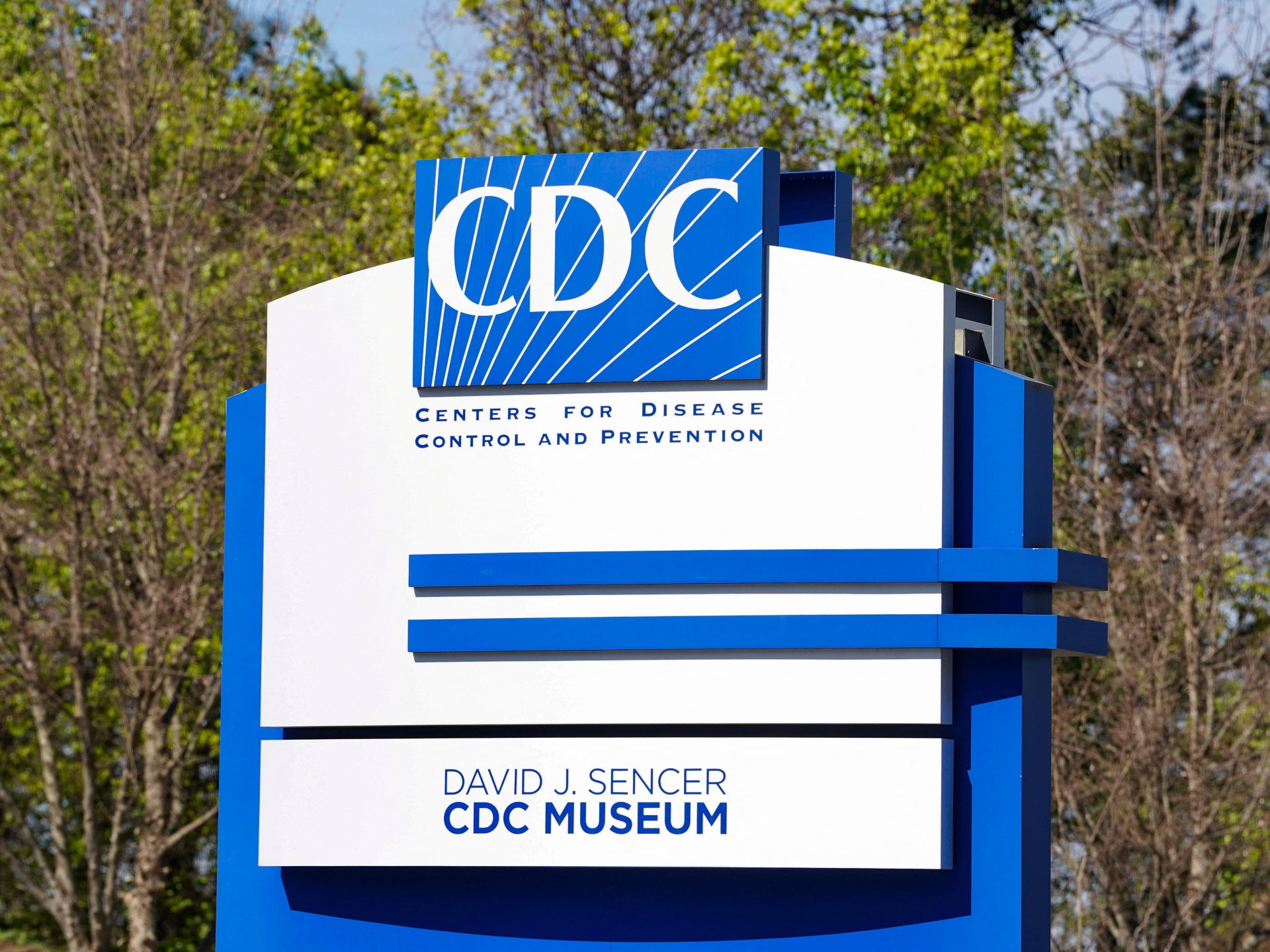
The United States Centers for Disease Control and Prevention (CDC) has formally registered a third fatal casualty attributable to measles this year, reflecting an escalating public health crisis that has seen cumulative infections surge past 4,400 cases nationwide. The resurgence of an infectious disease previously declared eliminated within US borders at the turn of the century marks a substantial operational setback for federal and state health agencies. This domestic escalation is embedded within a broader global resurgence of measles, fueled by post-pandemic declines in childhood immunization coverage, shifting public attitudes toward state-mandated inoculations, and persistent gaps in regional healthcare surveillance.
State public health departments from the Pacific Northwest to the Atlantic seaboard have initiated heightened tracing protocols, yet containment efforts face friction due to the high transmissibility of the virus. Federal health officials emphasize that low herd-immunity thresholds in key regional clusters have allowed localized transmissions to morph into prolonged multi-jurisdictional outbreaks. The political ramifications are mounting in Washington, where legislative bodies are revisiting federal immunization mandates, federal funding appropriations for the CDC, and the balance between regional administrative authority and unified national health protocols.
Global Trade & Economic Ripples
While localized outbreaks rarely trigger acute interruptions in baseline commodity flows, the macroeconomic fallout of unchecked communicable disease transmission extends across key commercial vectors. Public health expenditures among municipal and state budgets have risen sharply as resources pivot toward emergency vaccination clinics, contract tracing infrastructure, and hospital surge capacity. This diversion of fiscal resources places incremental pressure on local administrative bonds and municipal social spending.
Furthermore, the resurgence introduces secondary frictions into international air travel and transnational labor mobilization. Aviation regulators and border surveillance agencies are monitoring domestic infection trajectories closely, raising the prospect of tightened health screening protocols for inbound and outbound travelers. Within the pharmaceutical and healthcare supply chains, heightened demand for standard measles, mumps, and rubella (MMR) vaccines has strained cold-chain logistical networks, shifting priority allocations away from low-income developing nations reliant on global multilateral vaccine distribution partnerships. The broader commercial impact also encompasses lost labor hours and diminished retail activity in counties subject to localized quarantine advisories.
International Reactions & Diplomatic Stances
The World Health Organization (WHO) and regional epidemiological partners have expressed heightened concern regarding the upward trajectory of cases across high-income economies. Multilateral health authorities have repeatedly warned that gaps in routine immunization coverage within developed nations diminish the efficacy of global pathogen elimination initiatives. International health watchdogs point out that when major economies experience persistent outbreaks, the risk of secondary transmission to developing nations with constrained healthcare infrastructures increases significantly.
Diplomatic counterparts across Europe and the Pan American Health Organization (PAHO) have issued travel health notices, advising their citizens traveling to affected regions within the United States to ensure current vaccination status. Market analysts monitoring global biosecurity note that the erosion of herd immunity in key Western markets reflects a structural challenge in public risk communication, posing enduring questions regarding institutional trust and multilateral health policy synchronization.
Strategic Outlook & Future Scenarios
The trajectory of the US measles resurgence will largely depend on the enforcement of school-entry vaccination standards and the deployment of targeted public health interventions ahead of the autumn travel season. Should case counts continue to climb at the current cadence, federal authorities may consider invoking broader emergency authorities to mandate standardized state reporting mechanisms and deploy targeted intervention teams to under-immunized enclaves.
On the international stage, the United States faces renewed scrutiny over its public health governance, particularly as global health assemblies convene to negotiate international pandemic preparedness treaties and cross-border biosecurity standards. Continued localized outbreaks threaten to institutionalize sporadic travel advisories, increase logistical friction across business travel corridors, and exacerbate existing strains on global biomedical cold chains. Absent a decisive rebound in national vaccination compliance, the resurgence of preventable pathogens will remain a volatile drag on operational efficiency and public health stability.
Join Our Official WhatsApp Channel
Receive live commodity alerts, policy changes, and commercial intelligence directly on WhatsApp.