
West Bank Olive Harvest Disruption Signals Regional Agricultural and Supply Volatility
Rising attacks on Palestinian olive farmers in the occupied West Bank threaten vital agricultural yields, triggering regional supply constraints and underscoring vulnerabilities across the broader Mediterranean edible oil trade.
The Core Development
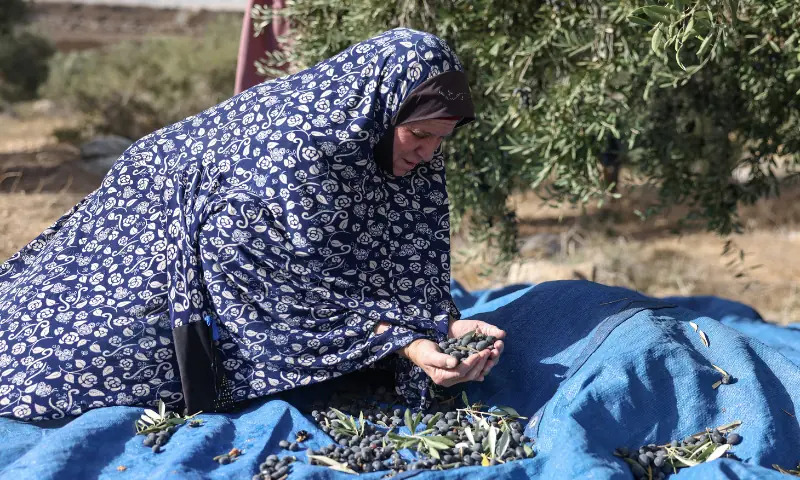
In the agrarian hinterlands of the occupied West Bank, the seasonal olive harvest—historically the economic lifeblood of rural Palestinian communities—faces severe disruption amid an intensification of violent raids by Israeli settlers. Ahead of Israeli parliamentary elections, attacks on agricultural holdings have escalated dramatically, leaving key farming families physically injured and unable to access extensive portions of their groves.
Among those affected is Abdellatif Bazzari, an olive grower in the northern plains of the territory, who suffered a black eye and facial injuries during a recent assault on his fields that claimed the life of his cousin. The raid forced Bazzari and surrounding growers to abandon partially harvested orchards. To avert further violence and salvage what remains of their livelihoods, several cultivators have resorted to harvesting their crops prematurely before the formal opening of the autumn harvest window. However, this defensive strategy carries significant agronomic penalties, as immature olives yield substantially lower oil volume and suffer from compromised acidity profiles. With security cordons tightening and military escorts frequently absent or ineffective, substantial acreage across the limestone hills remains inaccessible, imperiling thousands of metric tons of unpicked fruit.
Commercial & Economic Implications
While the olive sector in the occupied territories serves as an essential domestic subsistence and income pillar—supporting roughly 100,000 families and accounting for up to a quarter of local agricultural gross output—its suppression reverberates through international commodity channels. The Mediterranean basin dictates global olive oil benchmarks, and ongoing production shocks in regional supply zones compound structural shortfalls previously triggered by severe droughts across Southern Europe.
For Pakistan's import-reliant edible oil market, shifts in Mediterranean olive oil trade flows carry subtle but tangible ramifications. Pakistan consumes a growing volume of imported extra virgin and refined olive oils, primarily distributed through organized retail chains and high-end culinary channels in metropolitan centers like Karachi, Lahore, and Islamabad. While bulk domestic consumption remains dominated by palm and soybean oil, commercial distributors rely on specialty oils to preserve margin portfolios. Diminished West Bank output tightens Middle Eastern regional supply balances, redirecting Levant-bound demand toward European exporters such as Spain and Italy. Consequently, Pakistani wholesale importers face firming import parity costs, elevated freight insurance, and heightened foreign exchange outlays, translating directly into shelf-price inflation for consumer-packaged specialty oils.
Related Intelligence: Retail Friction Exposes Broader Global Consumer Trends and Cultural Divides
Stakeholder Perspectives & Market Reactions
Agricultural unions and human rights bodies have condemned the systematic denial of farmer access, characterizing settler attacks as economic warfare designed to dispossess agrarian landholders. Commercial federations in the Palestinian territories have warned that persistent interference during peak harvest cycles could decimate annual rural household earnings by as much as 40 percent, exacerbating liquidity crunches across regional mercantile networks.
In international import corridors, trading houses are adjusting their seasonal procurement strategies. Pakistani commercial importers and packaging enterprises have voiced concern regarding the elevated baseline costs of specialty oils. Corporate distributors note that landing costs in rupees are already constrained by currency depreciation, and any auxiliary firming of FOB prices in regional source hubs narrows retail margins. Legal observers emphasize that under international humanitarian statutes, the occupying power bears a binding obligation to protect civilian property and economic infrastructure, a mandate that industry observers argue is being comprehensively ignored.
Forward Outlook & Key Watchpoints
Market participants are closely tracking the operational environment as the harvest cycle reaches its late-autumn peak. The primary variable remains whether international diplomatic pressure can establish secure, monitored agricultural corridors to allow farmers to complete the harvesting process without bodily risk. Continued operational paralysis will result in significant fruit rot, permanently writing off this season's production.
Over the medium term, Pakistani edible oil buyers must evaluate diversification strategies, potentially seeking supply agreements with emerging North African and domestic producers in Balochistan and Potohar. Market surveillance will focus on Mediterranean bulk oil pricing trends, geopolitical developments surrounding the election cycle, and regional export availability through the first quarter of the coming year. Without structural protection for agrarian workers, regional agricultural stability will remain under acute stress.
Join Our Official WhatsApp Channel
Receive live commodity alerts, policy changes, and commercial intelligence directly on WhatsApp.