
Centre Imposes Governor Rule in KP Detaining Chief Minister Sohail Afridi
Pakistan's federal government has imposed emergency and governor's rule in Khyber Pakhtunkhwa, placing suspended Chief Minister Sohail Afridi into preventive custody amid severe regional political tensions and mounting economic uncertainties.
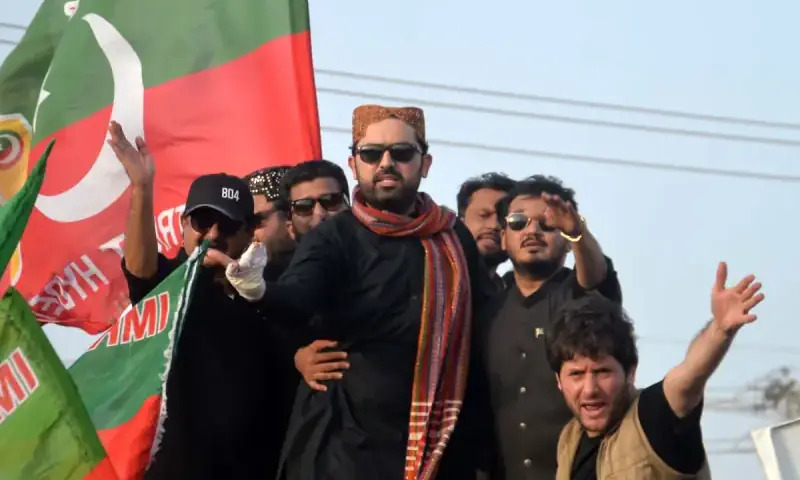
The Core Development
In a dramatic escalation of political confrontation, the federal government of Pakistan has enforced emergency and governor's rule across Khyber Pakhtunkhwa, subsequently placing now-suspended Chief Minister Sohail Afridi, the provincial assembly speaker, and key cabinet members into preventive custody. Officials confirmed the detentions on Monday following executive notifications issued under Articles 232 and 234 of the Constitution.
The extraordinary measures were formally sanctioned by the President late Sunday upon the recommendation of the federal cabinet. Islamabad justified the intervention by citing the Pakistan Tehreek-e-Insaf (PTI) provincial administration's alleged persistent inaction against surging militant activity, which federal authorities categorized as a breakdown of constitutional machinery. Law enforcement deployed rapidly in Peshawar and key administrative hubs to secure the Civil Secretariat and the provincial assembly complex, curbing administrative powers previously exercised by Afridi's cabinet. Opposition factions and civil liberty advocates voiced strong reservations, characterizing the detentions as an unconstitutional assault on provincial autonomy.
Commercial & Economic Implications
For enterprise operators, wholesale distributors, and retail businesses in northern Pakistan, the suspension of the provincial government introduces severe institutional instability. Khyber Pakhtunkhwa serves as a vital transit corridor for commercial freight moving between Punjab, Balochistan, and international land borders connected to Central Asia.
The imposition of direct federal administrative oversight under the provincial governor alters commercial continuity across several critical sectors:
1. Cross-Border Transit Routes: Freight flows through the Torkham border terminal face heightened scrutiny, increased checkpoints, and operational slowdowns, delaying customs clearances for fast-moving consumer goods (FMCG), agricultural produce, and industrial raw materials. 2. Wholesale Liquidity Constraints: Primary wholesale hubs in Peshawar, Mardan, and Swat face transactional freezes as local commercial operators withhold capital pending clarity on tax compliance mandates, municipal regulations, and regional security measures. 3. Supply Chain Disruption & Local Inflation: Any breakdown in urban mobility or highway transit elevates logistics costs. With freight operators factoring in elevated risk premiums, secondary consumer prices for perishable goods and construction inputs are poised to surge in provincial urban centres.
Related Intelligence: Pakistan Imposes Governor Rule in Khyber Pakhtunkhwa Amid Mounting Crisis
Stakeholder Perspectives & Market Reactions
Business and commercial organizations throughout Khyber Pakhtunkhwa have voiced deep concern over the suspension of legislative institutions. Representatives from the Sarhad Chamber of Commerce and Industry warned that abrupt political disruptions undermine investor confidence and threaten commercial logistics corridors at a time when industrial operations are already grappling with structural economic headwinds.
Legal scholars have raised critical questions regarding the constitutional thresholds required to invoke Article 234, noting that the preventive detention of an elected head of government invites immediate judicial scrutiny. The Supreme Court of Pakistan is widely expected to receive petitions challenging the governor's rule. Meanwhile, mainstream political groups, including regional religious alliances, condemned the intervention, alleging that federal authorities bypassed parliamentary avenues in favor of executive overreach.
Forward Outlook & Key Watchpoints
Over the coming days, three primary variables will determine the economic and security trajectory of Khyber Pakhtunkhwa. First, the formal response of the superior judiciary will dictate whether the invocation of Article 234 stands or faces temporary suspension through interlocutory relief. Second, the ability of federal authorities to maintain administrative cohesion across provincial administrative departments without provoking mass civil disobedience will directly impact commercial logistics and wholesale distribution networks.
Finally, market observers must monitor security deployments along main arterial corridors, including the M-1 motorway and Grand Trunk Road. Sustained political paralysis threatens not only regional public safety but also the fluid execution of provincial revenue collection and bilateral border trade. Enterprises operating within the northern economic belt must prepare contingency inventory plans to mitigate logistics interruptions throughout this period of acute administrative transition.
Join Our Official WhatsApp Channel
Receive live commodity alerts, policy changes, and commercial intelligence directly on WhatsApp.