
Southern Giants Brigades Shift Frontlines in Yemen Conflict Against Houthis
Yemen's Southern Giants Brigades have spearheaded a decisive pushback against Houthi forces, altering military balances and heightening security stakes around vital maritime corridors.
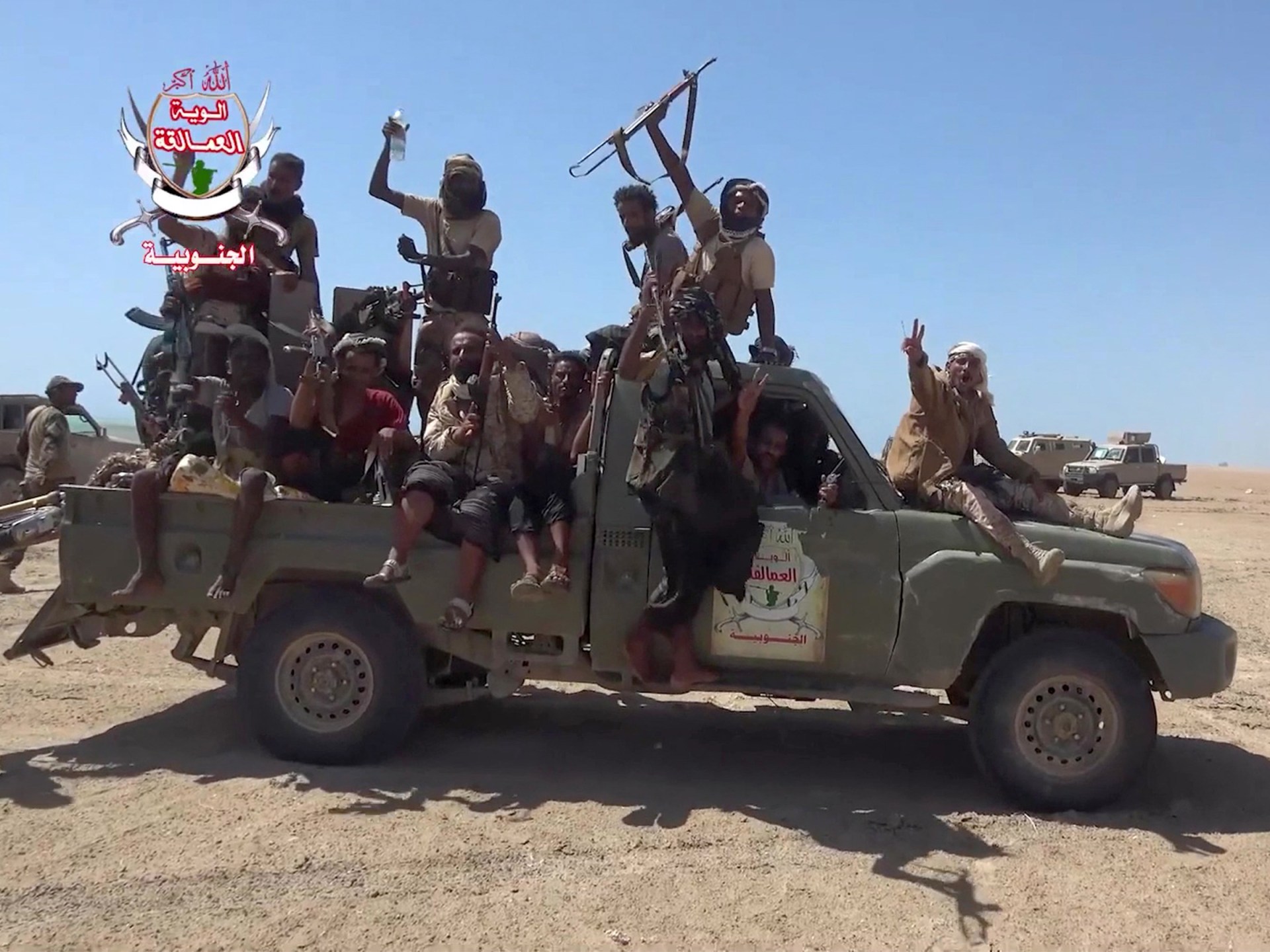
Geopolitical & Core Developments
Yemen's prolonged conflict has entered an intensified phase as the Southern Giants Brigades (al-Amaliqa) establish themselves as the preeminent fighting force contesting Ansar Allah, commonly known as the Houthis. Originating primarily from southern Yemen and composed largely of Salafi fighters alongside southern regionalists, the Giants Brigades have consistently demonstrated higher operational cohesion and tactical discipline compared to disparate elements of the internationally recognized government forces.
Over successive campaigns across Shabwah, Marib, and the western coastal plains, the Brigades have executed coordinated counteroffensives that reversed substantial Houthi gains. Backed substantially by the United Arab Emirates through logistics, advanced weaponry, and air support, their operational mobility has disrupted Houthi logistics lines connecting central Yemen to the coast. This development has unsettled the established stalemate, compelling Houthi leadership to divert hardened units from the hydrocarbon-rich enclave of Marib toward southern and western axes, directly affecting the broader architecture of the Yemeni civil war.
Global Trade & Economic Ripples
The strategic posture of the Giants Brigades bears immediate consequences for international commerce and energy transport. The operational theater directly borders critical choke points along the Red Sea and the Bab el-Mandeb strait, through which approximately 12 percent of seaborne global trade and significant volumes of crude oil and liquefied natural gas traverse. Intensified combat operations along these littoral corridors compound existing risks to commercial shipping, sustaining high war-risk insurance premiums for merchant vessels navigating the southern Red Sea.
Furthermore, the territorial contest surrounding Shabwah and neighboring Marib directly impinges upon Yemen’s domestic energy infrastructure, including LNG export terminals and crude pipelines linked to the Balhaf facility on the Gulf of Aden. Persistent instability prevents the rehabilitation of export capacities, denying global energy markets incremental supplies and keeping localized economic recovery entirely stalled. Any expansion of hostilities toward terminal infrastructure risks further supply chain disruptions across regional maritime logistics.
Related Intelligence: Saudi Arabia Vows Serious Response Following Fatal Houthi Airport Strikes
International Reactions & Diplomatic Stances
The ascent of the Giants Brigades has triggered calibrated responses across regional capitals and international organizations. Officials within the United Arab Emirates have underscored the necessity of supporting competent local forces capable of countering asymmetric threats, framing the Brigades as essential stabilizers against regional militancy. Conversely, Saudi Arabian policymakers remain focused on preventing intra-coalition friction between southern factions and traditional republican forces aligned with the Presidential Leadership Council (PLC).
The United Nations Office of the Special Envoy for Yemen has repeatedly urged all combatants to exercise restraint, noting that sudden shifts in frontline boundaries jeopardize ongoing diplomatic backchannels aimed at securing a formal, nationwide ceasefire. Western diplomats, particularly from the United States and the United Kingdom, have voiced concerns over the potential spillover of coastal hostilities into wider maritime disruption, reiterating demands for an unconditional cessation of unilateral military advances.
Strategic Outlook & Future Scenarios
Moving forward, the durability of the Giants Brigades' tactical advances will hinge on the political cohesion of the anti-Houthi alliance and external financial patronage. Should the Brigades maintain pressure on central transit corridors, Houthi commanders may escalate asymmetric operations, including long-range drone and missile strikes against maritime infrastructure or logistics hubs within coalition member states.
A secondary trajectory involves the political friction between southern secessionist aspirations, heavily represented within the Giants Brigades and the Southern Transitional Council (STC), and northern-led factions within the PLC. If territorial gains cannot be translated into unified governance, the anti-Houthi coalition risks internal fragmentation. Consequently, the coming quarters will prove pivotal: either these military adjustments create leverage for an inclusive multilateral settlement, or they will institutionalize a de facto partition that perpetuates regional maritime volatility.
Join Our Official WhatsApp Channel
Receive live commodity alerts, policy changes, and commercial intelligence directly on WhatsApp.