
Khyber Pakhtunkhwa Emergency: Balancing Security Crises and Economic Stability
Federal and provincial ministers defend the imposition of an emergency in Khyber Pakhtunkhwa, framing the difficult administrative measures as a necessary defense against escalating security threats to protect regional stability and commerce.
The Core Development
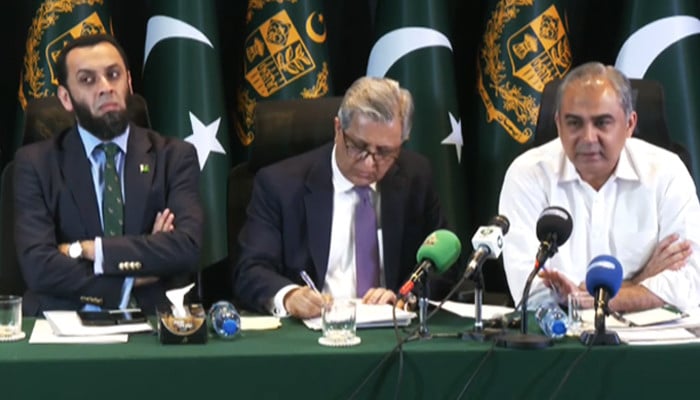
The government of Khyber Pakhtunkhwa has officially defended its decision to declare a provincial emergency, describing the move as a painful yet unavoidable choice to confront mounting security threats. Senior provincial ministers and federal officials addressed the media, emphasizing that the administration faced a stark choice between enduring relentless daily security incidents or implementing stringent, extraordinary measures to restore order. The emergency declaration, rolled out across high-risk districts, grants law enforcement and civil administration enhanced powers to manage public movement, secure critical infrastructure, and curtail the operational freedom of hostile elements. This policy shift follows weeks of targeted attacks that have severely rattled local administration and disrupted normal civic life in the frontier province.
Commercial & Economic Implications
For Kalyar Traders and the wider business community operating in northwestern Pakistan, the imposition of emergency measures carries immediate operational consequences. Wholesale distribution networks, retail trade corridors, and supply chains linking Peshawar with secondary markets face potential logistical bottlenecks due to heightened security checkpoints and restricted transit hours. While the primary objective of the emergency is to stabilize the security landscape—a fundamental prerequisite for sustained economic activity—short-term disruptions in commercial turnover are virtually inevitable. Small and medium-sized enterprises, particularly in urban retail hubs, report cautious consumer spending as citizens limit non-essential movement. Inflationary pressures could also be exacerbated if transport costs rise due to delayed freight movement across provincial boundaries.
Related Intelligence: Pakistan Deploys Army in Khyber Pakhtunkhwa Amid Governor Rule
Stakeholder Perspectives & Market Reactions
Business councils, trader associations, and industrial bodies in Khyber Pakhtunkhwa have expressed a mix of pragmatic support and deep anxiety regarding the emergency decree. Representatives from major chamber of commerce entities noted that while a secure environment is paramount for capital investment, prolonged administrative lockdowns or curfews risk strangling daily commerce. Legal analysts have scrutinized the emergency provisions, debating the balance between state security imperatives and fundamental commercial freedoms. Meanwhile, official statements from Islamabad and Peshawar underscore that the state is committed to minimizing collateral damage to the economy while executing necessary anti-terrorist operations.
Forward Outlook & Key Watchpoints
As the provincial administration moves into the enforcement phase, key economic and security indicators will dictate the trajectory of business sentiment in the region. Analysts are closely monitoring whether the emergency measures will be localized or extended, as well as the immediate impact on inter-provincial trade volumes at key transit points such as the Torkham border. For Kalyar Traders, navigating this volatile environment requires agile supply chain management and close coordination with logistics partners. The ultimate success of these extraordinary measures will be measured not only by improved security metrics but by how quickly commercial confidence and consumer demand recover in Pakistan's vital northwestern economic corridor.
Join Our Official WhatsApp Channel
Receive live commodity alerts, policy changes, and commercial intelligence directly on WhatsApp.