
Deadly Border Strikes Expose Fragility of Regional Stability and Artisanal Gold Trade
Suspected airstrikes on a remote Egypt-Sudan border mining camp have killed dozens of artisanal prospectors, exposing severe security vulnerabilities in vital regional mineral supply corridors.
Geopolitical & Core Developments
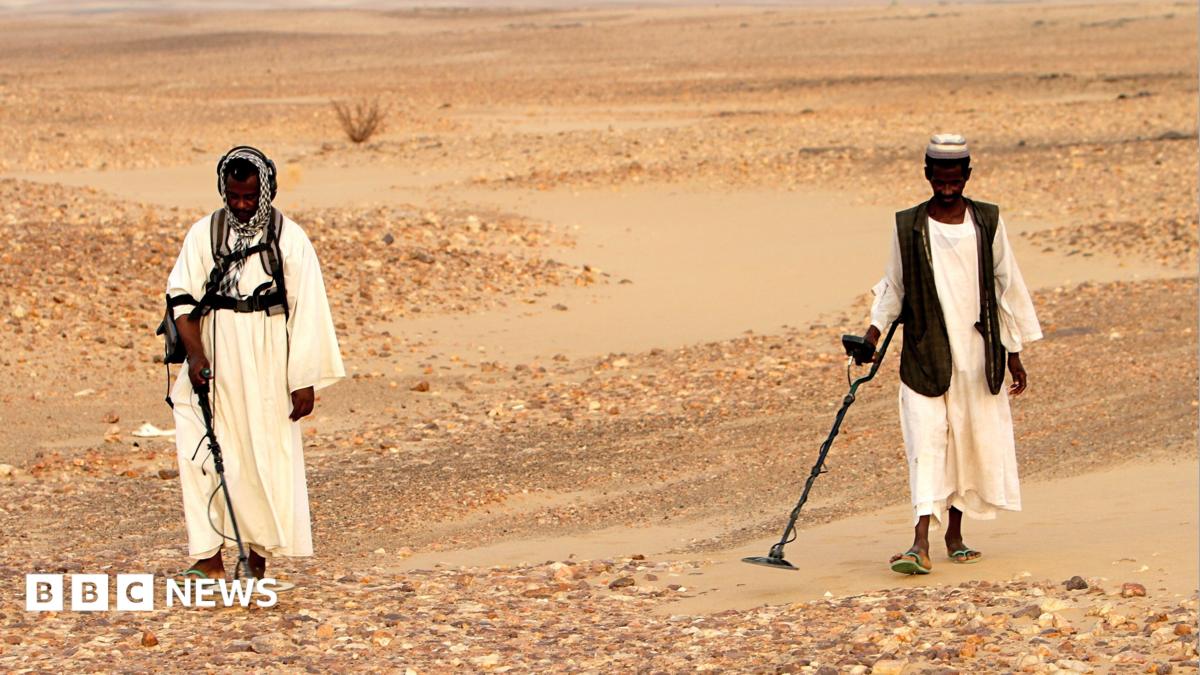
A devastating series of reported airstrikes targeting an artisanal mining camp near the contested Egypt-Sudan border has left dozens of gold prospectors dead, according to regional human rights monitors. The incident, which occurred on a Saturday, highlights the pervasive lawlessness and escalating violence engulfing remote desert territories as the broader Sudanese civil war enters a protracted and destructive phase. Neither the Egyptian government nor the Sudanese Armed Forces have issued official statements or acknowledged responsibility for the raids, leaving independent verification challenging due to active combat operations and communication blackouts in the area.
The borderlands between Egypt and Sudan have long functioned as a critical nexus for informal migration, contraband, and artisanal gold extraction. Thousands of independent prospectors operate in these arid zones, seeking to escape the devastation of urban combat centers like Khartoum and Darfur. However, the militarization of these remote spaces has intensified significantly. Armed factions, opportunistic militias, and state security forces increasingly view the lucrative gold trade as a vital financing mechanism, transforming peaceful mining camps into targets of strategic military interest. The lack of bilateral coordination and border demarcation further exacerbates the vulnerability of civilian workers operating in these zones.
Global Trade & Economic Ripples
While artisanal mining camps operate largely outside formal macroeconomic structures, the cumulative disruption to gold production in North Africa carries notable implications for regional commodities and illicit trade networks. Sudan has historically been one of Africa's leading gold producers, with a substantial portion of its output derived from informal artisanal panning and processing. Much of this gold is smuggled across international borders, including into Egypt and the broader Middle East, serving as a critical source of hard currency that fuels local conflict economies and destabilizes regional foreign exchange reserves.
The latest violence threatens to severely constrict cross-border commercial corridors and disrupt informal supply chains that sustain local populations. Logistics providers and regional traders navigating the Sahara-Sahel transit routes are already facing elevated security premiums, higher insurance costs, and unpredictable border closures. Furthermore, heightened state scrutiny and potential crackdowns on informal mining operations following such high-profile security incidents could force production further underground, increasing operational risks for legitimate downstream refiners and international bullion markets attempting to trace ethical sourcing.
Related Intelligence: Middle East Conflict and Sovereign Debt Overshadow IMF and World Bank Bangkok Summit
International Reactions & Diplomatic Stances
International bodies and diplomatic missions have expressed profound alarm over the mounting civilian casualties in remote border zones, though formal responses remain restrained pending definitive forensic investigations. Human rights organizations have condemned the strikes as a blatant violation of international humanitarian law, calling for an independent international inquiry to identify the perpetrators and hold accountable those responsible for the loss of civilian life.
The United Nations and regional diplomatic entities, including the Intergovernmental Authority on Development (IGAD) and the African Union, have repeatedly warned that the spillover effects of the Sudanese conflict threaten broader regional security. Analysts note that the silence from Cairo and Khartoum reflects the delicate diplomatic balancing act required to manage porous borders while combating cross-border insurgency and arms trafficking. Market analysts suggest that ongoing instability in North African resource corridors will likely prompt multinational corporations and institutional investors to maintain a cautious stance toward regional mining ventures.
Strategic Outlook & Future Scenarios
Looking ahead, the geopolitical trajectory of the Egypt-Sudan borderlands remains precarious. As state militaries attempt to secure territorial perimeters against perceived security threats, artisanal miners and cross-border merchants will continue to bear the brunt of escalating military engagements. Upcoming regional summits addressing the Sudanese humanitarian crisis must prioritize demilitarizing border zones and establishing secure humanitarian corridors to protect civilian laborers.
Without concerted diplomatic intervention and enhanced bilateral security cooperation between Egypt and Sudan, further violent flare-ups appear probable. Such incidents risk compounding regional displacement, accelerating illicit capital flight, and permanently altering the commercial landscape of the African gold trade. International stakeholders must urgently integrate resource governance and border security into broader peace frameworks to prevent mineral wealth from continuing to fuel regional destabilization.
Join Our Official WhatsApp Channel
Receive live commodity alerts, policy changes, and commercial intelligence directly on WhatsApp.