
Croatian Court Approves Extradition of Nord Stream Sabotage Suspect
Croatian authorities have approved the extradition of a key suspect in the 2022 Nord Stream pipeline sabotage, though the ruling faces pending appeals.
Geopolitical & Core Developments
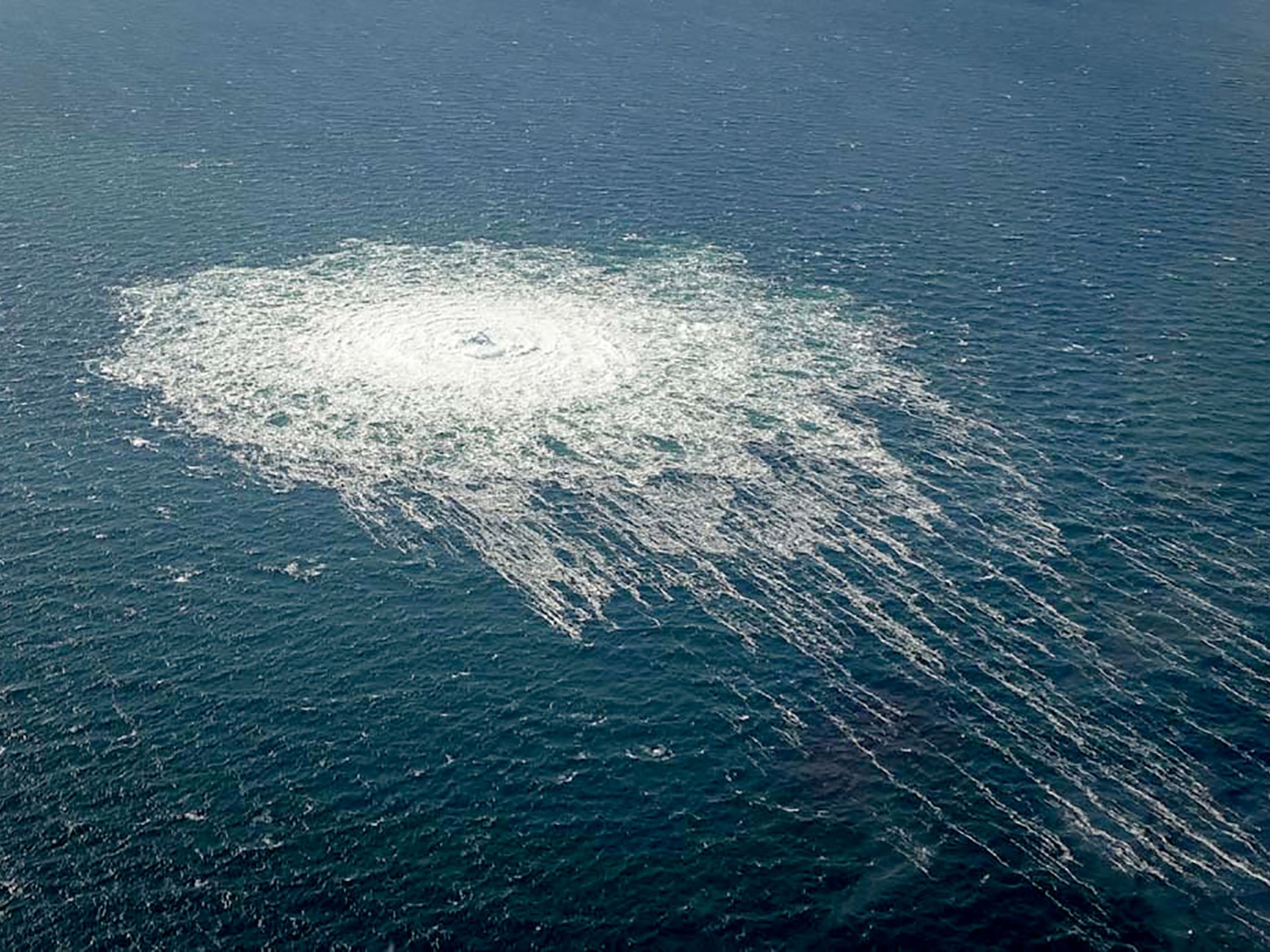
A Croatian court has formally approved the extradition of a primary suspect linked to the September 2022 sabotage of the Nord Stream natural gas pipelines, marking a significant procedural milestone in one of the most high-profile intelligence and criminal investigations in modern European history. The underwater explosions, which ruptured the Nord Stream 1 and 2 pipelines running beneath the Baltic Sea from Russia to Germany, triggered acute geopolitical crises and accelerated Europe's push to decouple from Russian energy dependencies.
While the court's clearance represents a crucial step forward for European judicial cooperation, the legal battle is far from over. Defense counsels have indicated plans to mount formal appeals, meaning the final execution of the extradition order remains pending. Investigators across several European jurisdictions have spent years piecing together the complex logistical trail of the attack, which involved sophisticated maritime operations executed in international waters. The identification and apprehension of suspects have exposed intricate networks of covert operatives and raised persistent questions regarding state-sponsored actors, clandestine maritime trade routes, and the vulnerability of undersea critical infrastructure.
[Global Trade](/news/trump-invites-putin-miami-g20-geopolitical-economic-impact) & Economic Ripples
The ongoing legal proceedings surrounding the Nord Stream sabotage carry profound implications for global energy markets, European industrial competitiveness, and international commodity pricing. The destruction of the pipelines permanently altered the architecture of European energy procurement, forcing continental economies to pivot toward liquefied natural gas (LNG) imports from the United States, Qatar, and other global suppliers. This structural shift fundamentally reshaped maritime shipping lanes, increased competition for spot-market LNG tankers, and elevated baseline energy costs for heavy manufacturing sectors across Western Europe.
Although European natural gas storage facilities have largely stabilized following the initial price shocks of 2022, any legal revelations emerging from the extradition process threaten to reignite geopolitical risk premiums in energy commodity markets. Traders and institutional analysts closely monitor developments for signs of renewed regulatory scrutiny, potential retaliatory economic measures, or heightened security risks to other vital maritime corridors and trans-oceanic subsea infrastructure, including telecommunication cables and power interconnectors.
Related Intelligence: Abbey Attack in Poland Shakes Regional Security and Cross-Border Relations
International Reactions & Diplomatic Stances
Official responses from European capitals, multilateral institutions, and energy market analysts reflect a delicate balancing act between pursuing judicial accountability and managing sensitive diplomatic relations. Governments involved in the multi-jurisdictional investigation have emphasized the independence of their respective judicial branches, while intelligence agencies continue to share cross-border data to unravel the full operational scope of the sabotage.
Market analysts and geopolitical risk consultancies note that the extradition case serves as an essential test of European legal resilience and cross-border cooperation in prosecuting acts of transnational sabotage. Meanwhile, international bodies have repeatedly underscored the critical need to bolster the physical and cybersecurity defenses of vital subsea assets, warning that modern global commerce and energy security remain acutely vulnerable to asymmetric attacks in international waters.
Strategic Outlook & Future Scenarios
As the Croatian appeals process unfolds, the trajectory of the Nord Stream investigation will likely influence future European security doctrines and maritime defense strategies. Upcoming diplomatic summits and defense briefings are expected to prioritize the protection of critical infrastructure, with NATO and the European Union expanding joint surveillance operations across the Baltic and North Seas.
Should the extradition proceed without further major legal hurdles, subsequent interrogations and trial proceedings could shed definitive light on the masterminds behind the attack. Such revelations risk provoking fresh diplomatic friction among major powers, potentially triggering new rounds of targeted sanctions or heightened geopolitical tensions that could reverberate across global trade, energy supply chains, and international diplomacy for years to come.
Join Our Official WhatsApp Channel
Receive live commodity alerts, policy changes, and commercial intelligence directly on WhatsApp.