
Brazil Amazon Deforestation Drops 42 Percent Reshaping Agri-Commodity Supply Chains
Satellite monitoring reveals a 42 percent drop in Brazilian Amazon deforestation, signaling structural shifts for agribusiness, Mercosur trade negotiations, and global agricultural supply chains.
Geopolitical & Core Developments
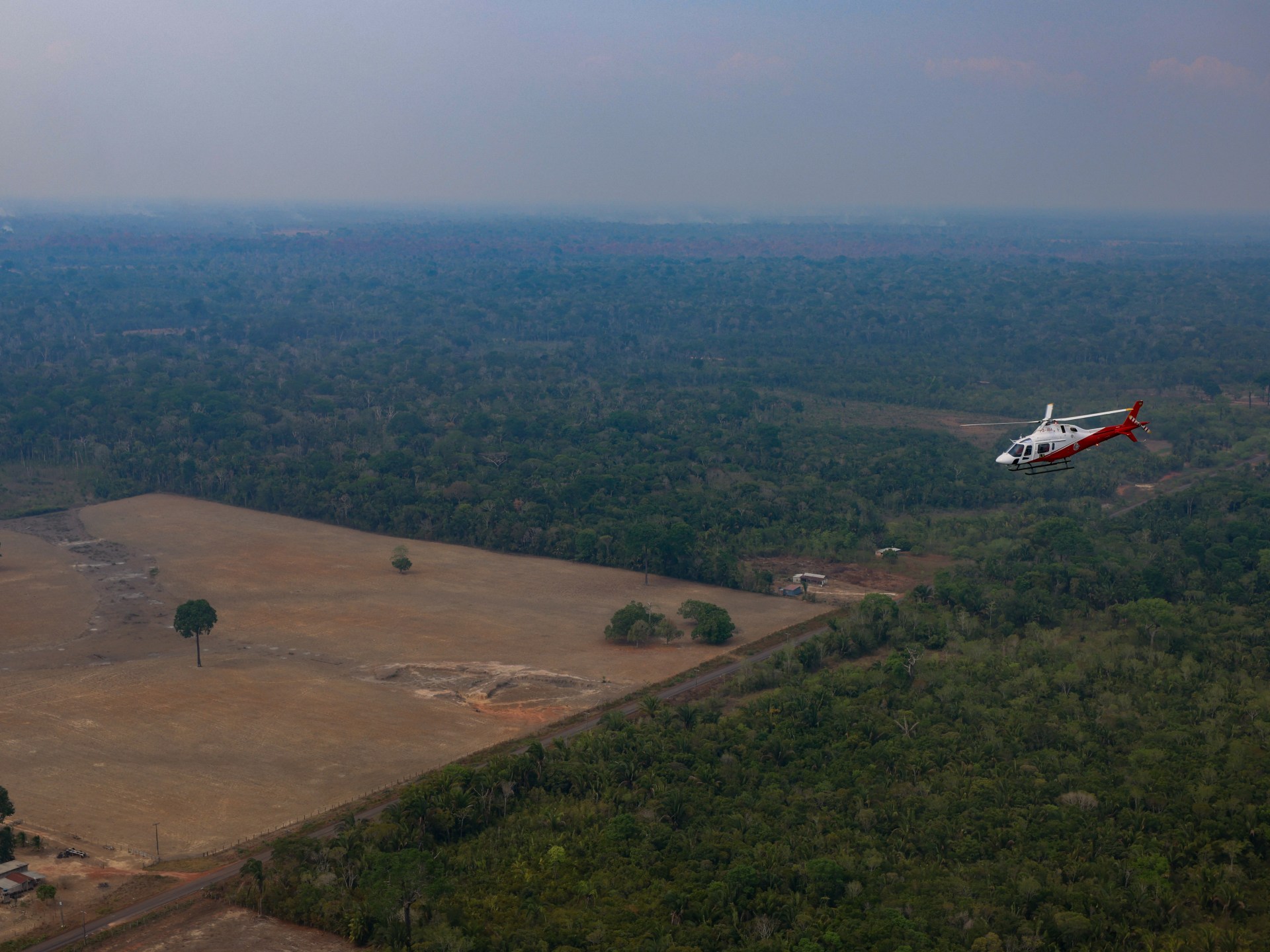
Official monitoring data released by Brazil’s National Institute for Space Research (INPE) has confirmed a pivotal 42 percent year-on-year drop in deforestation across the Brazilian Amazon, marking one of the steepest declines on record. The sustained downward trajectory represents a major strategic victory for the administration of President Luiz Inácio Lula da Silva, who assumed office on an explicit platform of ecological preservation, institutional revival, and rigorous environmental enforcement.
Under previous leadership, the Amazon basin experienced a prolonged surge in land clearance driven by unchecked agricultural expansion, illegal timber extraction, and illicit wildcat mining. Lula’s administration systematically reconstituted operational capacities within federal monitoring agencies, including the Brazilian Institute of Environment and Renewable Natural Resources (IBAMA) and the Chico Mendes Institute for Biodiversity Conservation (ICMBio). The deployment of real-time satellite surveillance and military-backed interdiction forces has directly disrupted organized land-grabbing syndicates, reversing years of structural forest loss and altering South America’s strategic environmental diplomacy.
Global Trade & Economic Ripples
The precipitous drop in deforestation carries immediate operational implications for international commodity flows, particularly within the soybean, beef, and timber supply chains. Brazil remains the world's leading exporter of soybeans and a dominant supplier of global beef. Intensified scrutiny over primary forest conversion has historically exposed Brazilian exporters to regulatory bottlenecks and reputational penalties across Western markets.
This conservation milestone arrives as multinational procurement entities adjust to the European Union Deforestation Regulation (EUDR), which requires verifiable evidence that agricultural imports are not sourced from recently cleared land. A verifiable reduction in primary biome destruction significantly mitigates non-compliance risks for global commodity trading houses operating out of Santos and Paranaguá. Furthermore, the stabilization of Amazon rainfall patterns directly safeguards Brazil's domestic agricultural productivity and hydroelectric output, dampening long-term inflationary risks across agricultural futures on the Chicago Board of Trade (CBOT).
Related Intelligence: Canada Beluga Crisis Triggers Global Scrutiny Over Wildlife Governance and Capital
International Reactions & Diplomatic Stances
Multilateral bodies and sovereign trading partners have broadly welcomed the empirical reversal. Officials from the European Commission noted that measurable preservation metrics create a conducive environment for finalizing the long-stalled European Union–Mercosur free trade agreement, which had faced stiff resistance from European agricultural lobbies citing environmental non-compliance.
Envoys from donor nations underpinning the Amazon Fund—chiefly Norway and Germany—have reaffirmed their financial commitments, signaling the potential disbursement of additional capital for sustainable bioeconomy initiatives. Conversely, Brazilian domestic agribusiness lobbies remain watchful. While corporate trade groups like the Brazilian Association of Meat Exporting Industries (ABIEC) emphasize enhanced international market access, regional farming associations express concern over escalating land zoning restrictions and potential credit constraints tied to environmental compliance metrics.
Strategic Outlook & Future Scenarios
The trajectory of Brazil’s environmental policy will determine its broader geopolitical standing within the Global South and the G20. Looking ahead, Brazilian authorities face the dual challenge of sustaining rigorous enforcement while addressing deep-rooted socio-economic drivers in Amazonian frontier municipalities, where localized economies remain dependent on resource extraction.
In the medium term, Brazil is positioned to leverage its improved ecological credentials to advance green finance mechanisms, sovereign sustainability bond issuances, and carbon market frameworks ahead of key United Nations climate summits. If the Lula administration can cement these conservation gains while preventing economic dislocation across its agrarian heartland, Brazil will substantially de-risk its export corridors, establish institutional stability, and set a critical precedent for environmental governance across emerging economies.
Join Our Official WhatsApp Channel
Receive live commodity alerts, policy changes, and commercial intelligence directly on WhatsApp.