
Canada Beluga Crisis Triggers Global Scrutiny Over Wildlife Governance and Capital
Following the deaths of five rescued beluga whales in Canada, international conservation bodies and regulators are overhauling the logistics, capital flows, and standards governing cross-border marine transfers.
Geopolitical & Core Developments
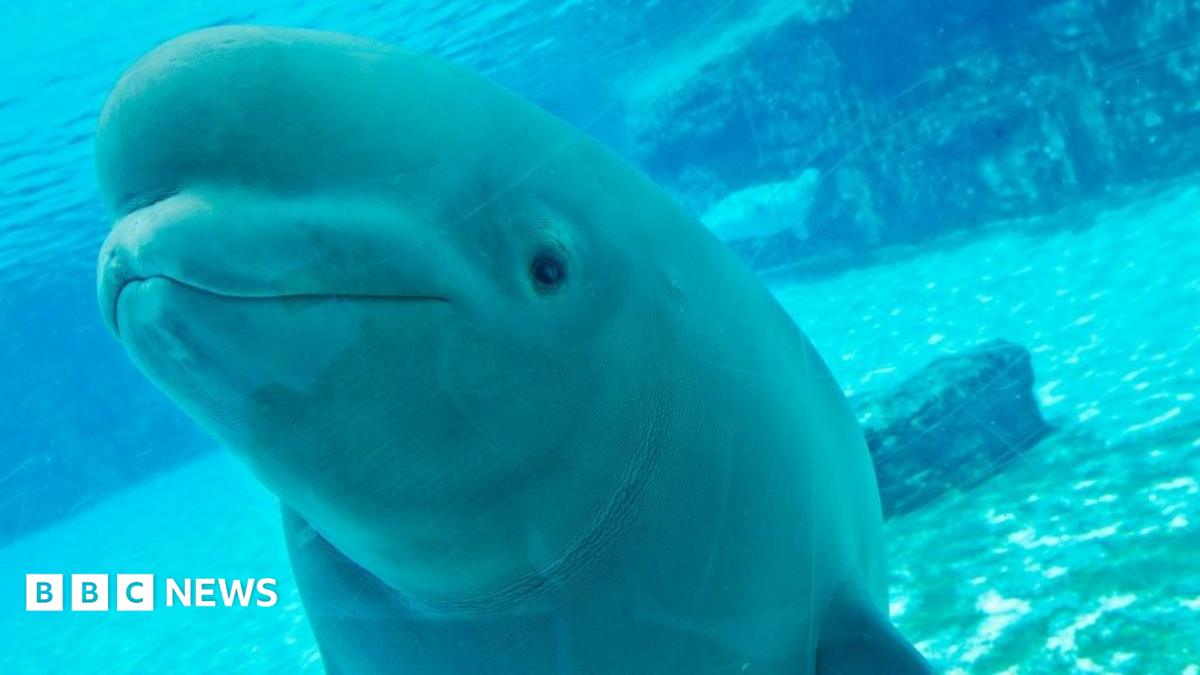
The catastrophic loss of five captive beluga whales held at Marineland in Niagara Falls, Ontario, has transformed an ambitious domestic welfare transition into an international diplomatic and ecological flashpoint. Under federal legislation passed in 2019 under Bill S-203—which criminalized the captivity, breeding, and commercial trade of cetaceans in Canada—the country committed to phasing out marine mammal entertainment. An unprecedented international effort was assembled, incorporating marine biologists, foreign sanctuaries, and intergovernmental bodies, aiming to repatriate thirty remaining belugas to ocean-based sanctuaries such as Iceland’s Klettsvik Bay and designated Arctic coastal havens.
However, the sudden mortality of five specimens has suspended transfer negotiations between Canadian federal authorities, provincial oversight boards, and prospective receiving states. The incident underscores the deep operational friction between statutory phase-outs and the sheer logistical feasibility of maintaining specialized life-support architectures. Sovereign stakeholders, including Canadian regulatory agencies and prospective host governments in the North Atlantic, are now engaged in contentious reviews regarding custody liability, veterinary oversight standards, and the enforceability of inter-state animal transfer protocols under international law.
Global Trade & Economic Ripples
While ostensibly an ecological matter, the halting of the Canadian whale relocation program creates noticeable ripple effects across high-value specialized commercial markets. The relocation of large cetaceans requires chartered heavy-lift cargo aviation, temperature-controlled water transport assets, and bespoke logistics networks operated by specialized global transport consortia. Maritime freight forwarders and niche air freight operators have seen planned multi-million-dollar charter runs postponed pending safety clearances.
Simultaneously, the global marine entertainment and hospitality sector—an industry with substantial capital footprints in North America, China, and the United Arab Emirates—is confronting heightened asset write-downs. Institutional investors and theme park conglomerates face elevated liability risks, surging environmental compliance costs, and prohibitive insurance premiums. Underwriters at Lloyd's of London and specialized international maritime insurers are reportedly revising underwriting risk matrices, escalating coverage pricing for cross-border wildlife logistics, and enforcing stricter environmental, social, and governance (ESG) risk metrics on corporate holders of captive biodiversity.
Related Intelligence: US School Attack Highlights Domestic Fragilities and Governance Vulnerabilities
International Reactions & Diplomatic Stances
The deaths have elicited formal responses from international oversight bodies and conservation authorities. Representatives associated with the Convention on International Trade in Endangered Species of Wild Fauna and Flora (CITES) have reiterated the imperative for rigorous pre-transport biological assessments, signalling that cross-border transfer permits will face heightened audit thresholds. Animal protection delegations in the European Union and the United Kingdom have cited the Canadian crisis to lobby their own legislatures, demanding total commercial bans on cetacean transit through continental airspace and ports.
Canadian federal ministries maintain that independent investigations are underway, emphasizing that any international export permit remains conditional on definitive post-mortem analyses and structural guarantees from receiving sanctuary platforms. Conversely, marine park operators argue that prolonged administrative delays and regulatory deadlock have compounded animal health deterioration, exposing the operational deficiencies of state-managed transitions away from private captivity infrastructure.
Strategic Outlook & Future Scenarios
Moving forward, the remaining twenty-five belugas face an increasingly narrow logistical pathway. The immediate trajectory points toward heightened intergovernmental friction over legal custody and financial accountability. Should sovereign jurisdictions fail to agree on accredited offshore sanctuary protocols within the coming quarters, the Canadian government may be forced to intervene directly, commandeering facility management at substantial public cost to prevent further systemic mortality.
In the medium term, this crisis will serve as a precedent at the upcoming international environmental conventions, where delegates are scheduled to deliberate legally binding welfare benchmarks for marine life phase-outs. The commercial viability of keeping high-trophic marine mammals in captivity has permanently deteriorated. As regulatory compliance accelerates and capital markets divest from captive biodiversity entertainment, corporate operators globally must anticipate accelerated write-downs, tighter transit permits, and mandatory contributions toward publicly monitored sanctuaries.
Join Our Official WhatsApp Channel
Receive live commodity alerts, policy changes, and commercial intelligence directly on WhatsApp.