
Borneo Wildfires Threaten Endangered Wildlife and Global Supply Chains
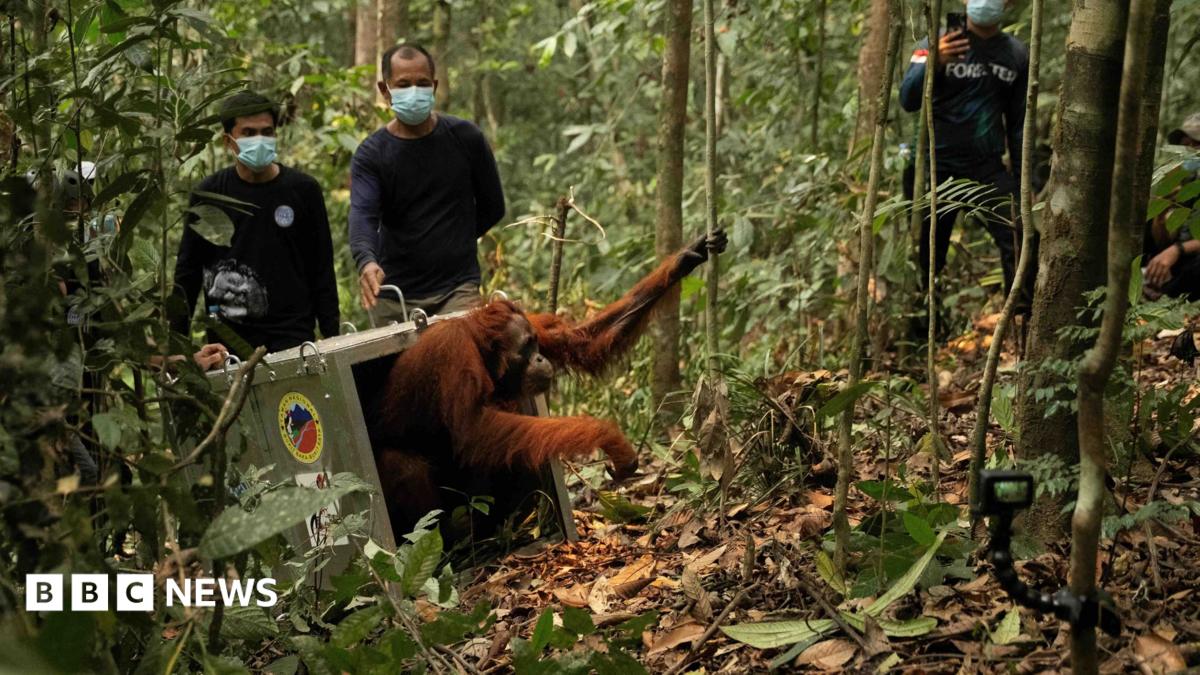
Critically endangered orangutans rescued from severe Borneo wildfires have been released back into their natural habitat, underscoring broader environmental and economic risks across global agricultural supply chains.
Geopolitical & Core Developments
The recent release of critically endangered orangutans back into the rainforests of Borneo marks a fragile milestone following a catastrophic fire season that ravaged Southeast Asia throughout August and September. These intense blazes, supercharged by prolonged droughts and illegal slash-and-burn agricultural practices, devastated thousands of hectares of primary forest. International conservation agencies, working in coordination with local environmental ministries, mounted emergency rescue operations to extract stranded apes from burning timber concessions. The crisis has once again drawn intense global scrutiny toward state enforcement mechanisms, environmental governance, and the geopolitical tensions surrounding transboundary haze, deforestation, and climate vulnerability in the Indo-Pacific region.
Global Trade & Economic Ripples
Beyond the immediate ecological tragedy, the fires in Borneo carry profound implications for international commodity markets, particularly for palm oil, timber, and associated agricultural derivatives. Southeast Asia remains the epicenter of global palm oil production, a critical feedstock for the food, cosmetics, and biofuels sectors. Environmental degradation and associated supply disruptions heighten regulatory risks for multinational corporations sourcing from the region. As international markets increasingly penalize unsustainable production through stringent compliance frameworks—such as the European Union Deforestation Regulation (EUDR)—producers facing ecological catastrophes risk severe market access restrictions, altered shipping schedules, and increased insurance premiums across global supply chains.
Related Intelligence: King Felipe's Ceuta Visit Reignites Spain-Morocco Geopolitical Tensions
International Reactions & Diplomatic Stances
International bodies, including the United Nations Environment Programme and various multilateral trade organizations, have expressed grave concern over the recurrent ecological crises in Southeast Asia. Global market analysts warn that lax domestic enforcement of environmental standards is no longer just a local conservation issue, but a systemic risk that threatens regional economic stability. Environmental NGOs have amplified pressure on international trade partners to demand verifiable supply chain transparency, asserting that failure to curb agricultural fires could trigger punitive trade measures, diplomatic friction, and investor divestment across emerging Southeast Asian markets.
Strategic Outlook & Future Scenarios
Looking ahead, the trajectory of forest management and wildlife conservation in Borneo will serve as a bellwether for international environmental diplomacy. Upcoming global climate summits and bilateral trade negotiations will likely incorporate stricter conditionalities regarding land-use change and emissions reductions. Without substantial capital investment in advanced fire-prevention infrastructure and strict enforcement of anti-deforestation laws, the region faces recurring ecological shocks that threaten both biodiversity and the integrity of global agricultural supply chains. Investors and policymakers must therefore recalibrate their strategic outlook to account for the mounting financial costs of climate-induced disruptions in critical commodity-producing nations.
Join Our Official WhatsApp Channel
Receive live commodity alerts, policy changes, and commercial intelligence directly on WhatsApp.