
Pakistan's History of Emergency Rule Casts Long Economic Shadow
An examination of Pakistan's recurrent emergency and governor rule proclamations since 1949 reveals deep economic vulnerabilities and persistent commercial disruption.
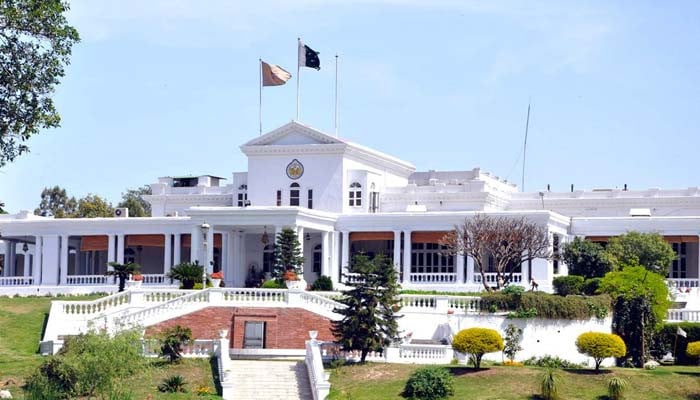
The Core Development
Since its formative years, beginning with early constitutional suspensions and the proclamation of emergency in 1949, Pakistan has frequently turned to extraordinary legal measures under the doctrine of national security or sudden political crises. From the early interventions in Punjab and East Bengal to subsequent nationwide states of emergency, the suspension of normal democratic processes has altered the nation's political and institutional trajectory. These proclamations, historically executed under various constitutional provisions including Section 92-A of the Government of India Act 1935, and later Articles 232 and 234 of the Constitution of Pakistan, have centralized executive authority and sidelined provincial legislatures. Key actors across successive decades—ranging from federal administrators to appointed governors—have utilized these powers to manage perceived governance vacuums, internal security threats, and administrative deadlocks. However, the recurring reliance on emergency decrees has entrenched a cycle of institutional volatility, directly impacting policy continuity and regulatory predictability across the federation.
Commercial & Economic Implications
For the commercial and financial sectors of Pakistan, prolonged political uncertainty and emergency measures exact a severe toll. Wholesale distribution networks, retail trade corridors, and supply chain logistics are acutely sensitive to administrative disruptions. When federal or provincial governments operate under emergency mandates, market sentiment deteriorates, leading to curtailed capital expenditures by both domestic and foreign investors. Inflationary pressures frequently mount during periods of political turmoil, driven by currency volatility, supply bottlenecks, and speculative hoarding in commodity markets. For everyday consumers, these disruptions manifest as higher retail prices for essential food items, petroleum products, and manufactured goods. Small and medium enterprises, which form the backbone of the domestic economy, struggle with restricted credit availability and heightened borrowing costs as financial institutions adopt risk-averse lending postures amidst heightened systemic uncertainty.
Related Intelligence: Saving the International Criminal Court Amid US Sanctions
Stakeholder Perspectives & Market Reactions
Business councils, trade associations, and legal bodies have consistently voiced apprehension regarding the economic fallout of unconstitutional interventions or prolonged emergencies. Representatives from major chambers of commerce across Karachi, Lahore, and Islamabad have repeatedly emphasized that sustained economic growth is intrinsically linked to legal certainty and uninterrupted democratic governance. Industry leaders point out that foreign direct investment requires a predictable regulatory framework; sudden proclamations of governor's rule signal institutional fragility to international partners. Conversely, while state authorities have historically defended such measures as imperative for restoring public order and stabilizing administrative machinery, legal experts and constitutional analysts caution that bypassing parliamentary oversight weakens the checks and balances essential for a healthy market economy.
Forward Outlook & Key Watchpoints
Looking ahead, policymakers, economists, and market analysts are closely monitoring institutional developments to gauge Pakistan's macroeconomic trajectory. Key indicators to watch include foreign exchange reserve stabilization, compliance benchmarks set by international lenders such as the International Monetary Fund, and the adherence to scheduled electoral timelines. Strengthening provincial autonomy and ensuring legislative continuity will be critical determinants in restoring business confidence. As commercial stakeholders navigate ongoing economic headwinds, the overarching consensus remains that durable market recovery depends upon insulating trade, fiscal policy, and industrial development from political turbulence and extraordinary administrative measures.
Join Our Official WhatsApp Channel
Receive live commodity alerts, policy changes, and commercial intelligence directly on WhatsApp.