
China Sanctions Latin American Ministers Over Taiwan Ties
Beijing enacts strict diplomatic sanctions against high-ranking officials from Paraguay and Belize, escalating geopolitical tensions over Taiwan's dwindling international alliances.
Geopolitical & Core Developments
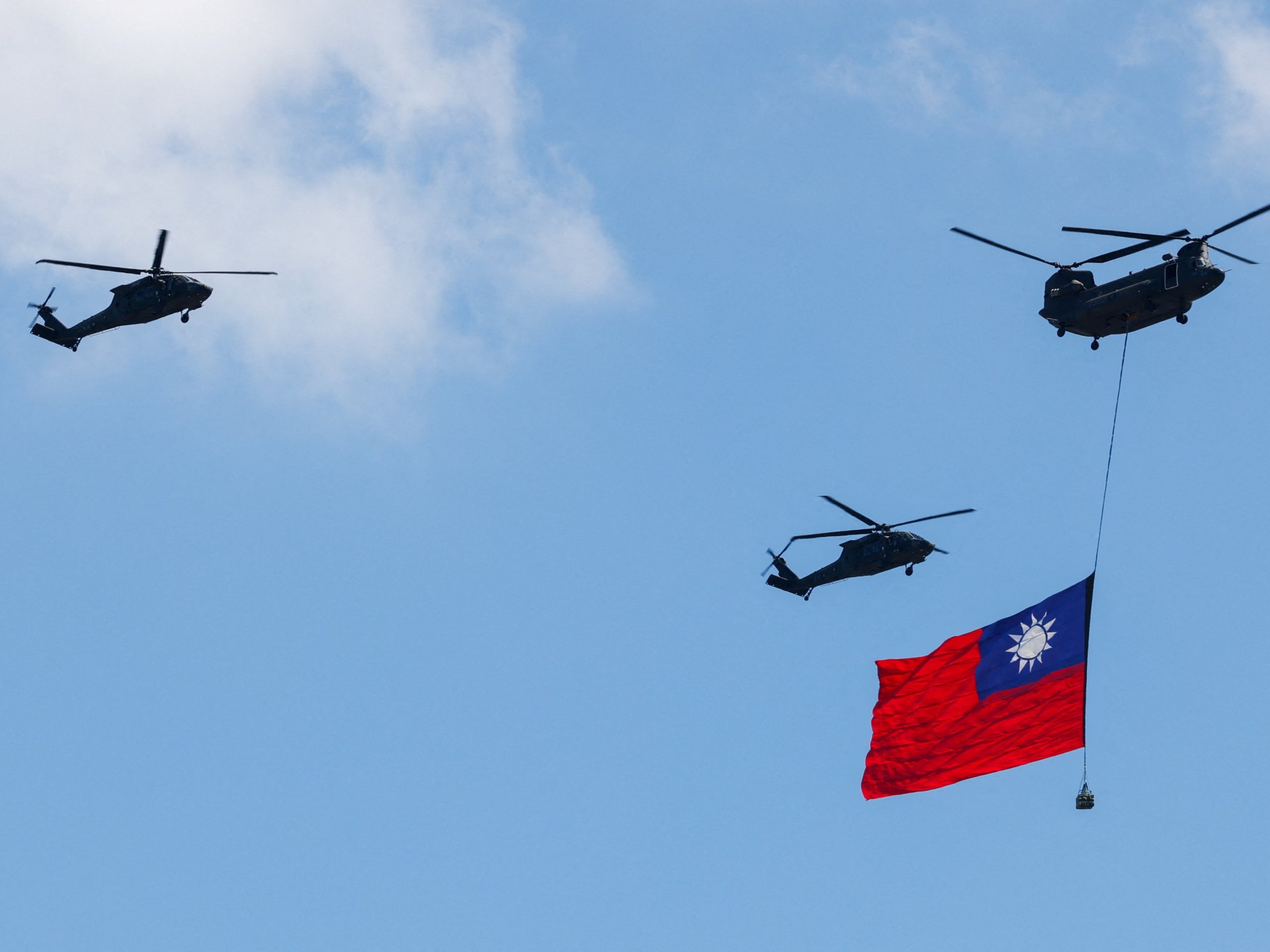
In a decisive escalation of Beijing's diplomatic campaign against Taipei's remaining international allies, the Chinese Foreign Ministry has announced targeted sanctions against senior government ministers from Paraguay and Belize. The punitive measures, cited under the banner of defending national sovereignty and territorial integrity, directly penalize officials who have maintained robust diplomatic and economic channels with Taiwan. Beijing views self-governing Taiwan as a renegade province destined for reunification, creating an uncompromising zero-sum diplomatic environment where nations must choose between relations with the People's Republic of China and the democratic island.
Paraguay and Belize represent two of the diminishing group of twelve sovereign states that officially recognize the Republic of China rather than the People's Republic. By targeting specific ministerial portfolios, Beijing is signaling a shift from generalized diplomatic warnings to personalized punitive actions designed to deter political leaders across Latin America and the Caribbean from deepening institutional ties with Taipei. This strategic squeeze highlights the high-stakes diplomatic maneuvering characterizing cross-strait relations in the contemporary geopolitical landscape.
Global Trade & Economic Ripples
While ostensibly a diplomatic dispute, the sanctions carry significant undertones for international commerce, particularly concerning commodity flows and trade corridors linking South America to Asian markets. Paraguay, a major global exporter of soybeans and beef, navigates a delicate balancing act; its agricultural sector relies heavily on international export markets while its government maintains diplomatic isolation from the world's second-largest economy. Although direct trade blockades have not been enacted, trade analysts note that heightened political friction can introduce regulatory friction, customs delays, and administrative hurdles for commodities traversing major shipping lanes.
Furthermore, Belize serves as a strategic maritime gateway in Central America. Heightened geopolitical alignment pressures threaten to complicate multilateral trade agreements and foreign direct investment initiatives across the region. Global trading houses and commodity brokers are closely monitoring these developments to assess whether Beijing's displeasure could eventually manifest in more restrictive customs checks or subtle shifts in agricultural procurement preferences, which would directly impact global supply chain dynamics for key soft commodities.
Related Intelligence: Powderfinger Reunion Triggers Cultural Resurgence and Economic Boost
International Reactions & Diplomatic Stances
Official responses to the sanctions reflect deep ideological and geopolitical divisions. Taipei vehemently condemned the measures, characterizing them as authoritarian coercion and economic bullying intended to subvert the sovereign right of democratic nations to conduct independent foreign policies. Taiwanese foreign ministry officials reaffirmed their commitment to supporting economic and developmental cooperation with Paraguay, Belize, and all remaining diplomatic partners.
Conversely, spokespersons for the Chinese Foreign Ministry defended the measures as a legitimate defense of core national interests, warning that any foreign government engaging in official exchanges with Taipei would face severe consequences. Multilateral observers, including trade analysts and geopolitical risk consultancies, point out that such measures further entrench global polarization. Western capitals have expressed growing concern over Beijing's use of economic and diplomatic leverage to isolate Taiwan on the world stage, viewing the campaign as a destabilizing factor in regional stability.
Strategic Outlook & Future Scenarios
As Beijing continues to shrink diplomatic space for Taipei, the strategic trajectory points toward intensified diplomatic competition, particularly within Latin America and the Caribbean, which Beijing regards as a vital frontier for expanding its Belt and Road Initiative footprint. The resilience of Paraguay and Belize in maintaining their diplomatic stances will serve as a critical test case for Western-backed diplomatic support in the developing world.
Upcoming international summits and bilateral trade negotiations will likely see renewed friction over the Taiwan question. For global commercial operators, the primary risk involves potential spillover effects into trade policy, shipping logistics, and raw material procurement. As geopolitical fault lines harden, commercial stakeholders must factor heightened regulatory uncertainty and diplomatic volatility into their long-term supply chain and investment strategies across the Americas.
Join Our Official WhatsApp Channel
Receive live commodity alerts, policy changes, and commercial intelligence directly on WhatsApp.