
King Felipe's Ceuta Visit Reignites Spain-Morocco Geopolitical Tensions
King Felipe VI's landmark visit to Ceuta and Melilla has thrust Spain's enduring territorial dispute with Morocco back into the international spotlight, raising fresh diplomatic and commercial concerns.
Geopolitical & Core Developments
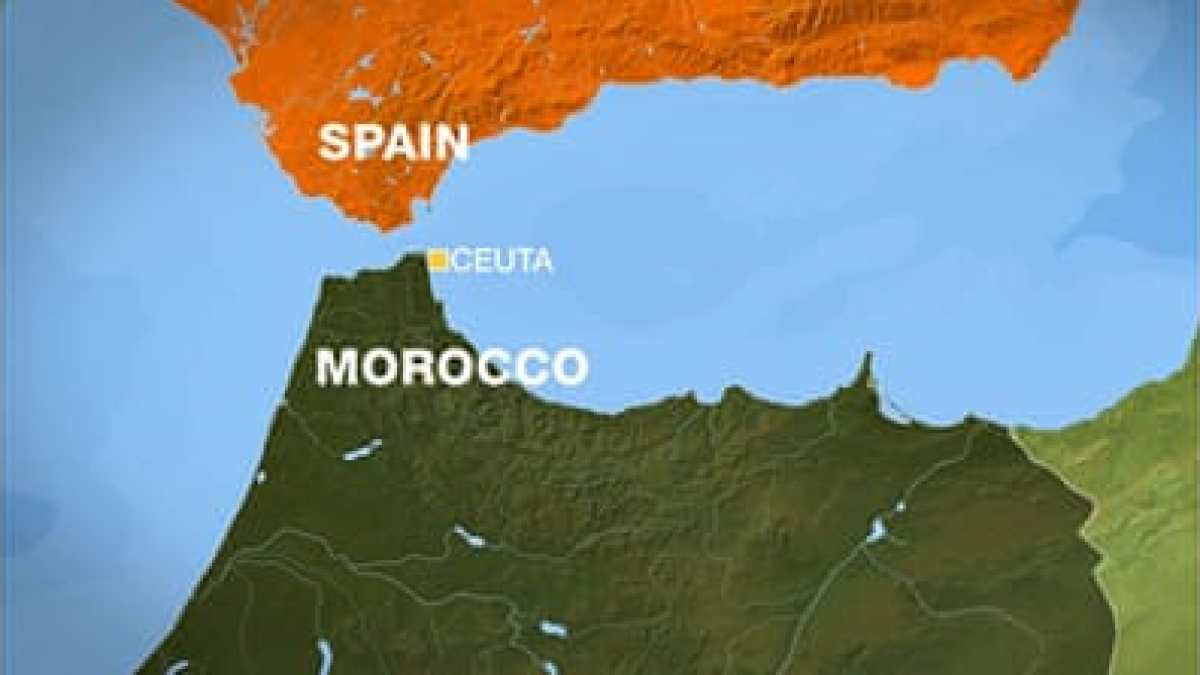
The recent high-profile visit of Spanish King Felipe VI to the North African enclaves of Ceuta and Melilla has sharply refocused international attention on one of Europe's most sensitive territorial anomalies. As the first such royal tour since Felipe ascended the throne, the journey carries profound symbolic weight, signaling Madrid's unwavering sovereignty over the contested cities. For decades, Morocco has maintained formal claims over Ceuta and Sebta—as the city is known in Arabic—alongside Melilla, viewing them as colonial remnants occupying Moroccan national territory.
The geopolitical stakes extend far beyond historical pride. These enclaves represent the only physical land borders shared between the European Union and the African continent, transforming them into hyper-sensitive flashpoints for migration, border security, and regional diplomacy. While recent years have witnessed attempts at diplomatic normalization between Madrid and Rabat, particularly regarding counter-terrorism and economic cooperation, the underlying sovereignty dispute remains an unresolved structural friction point in Euro-African relations.
Global Trade & Economic Ripples
While primarily a political and diplomatic flashpoint, the contested status of Ceuta carries tangible implications for global trade, maritime logistics, and regional commerce. Positioned directly across the Strait of Gibraltar—one of the world's most critical maritime chokepoints—Ceuta functions as a vital refueling and logistics hub for international cargo vessels, container ships, and energy tankers transiting between the Atlantic Ocean and the Mediterranean Sea.
Commercial disruptions or heightened political tensions between Spain and Morocco directly threaten regional supply chain stability. The enclaves rely heavily on open commercial corridors with the European mainland and their immediate Moroccan hinterlands. Any escalation in trade restrictions, border closures, or customs disputes imposed by Rabat directly impacts local import-export dynamics, affecting cross-border supply networks, wholesale pricing, and ancillary maritime services.
Related Intelligence: Category 4 Hurricane Simon Threatens Mexican Pacific Coast and Energy Infrastructure
International Reactions & Diplomatic Stances
International response to the royal visit has been characterized by careful diplomatic balancing. Brussels has historically backed member-state territorial integrity, affirming that the borders of Ceuta and Melilla constitute the external borders of the European Union. Consequently, any challenge to Spanish administration in the enclaves is viewed by EU leadership as a challenge to the union's collective security and border framework.
Conversely, official circles in Rabat continue to articulate a stance rooted in historical irredentism, frequently leveraging migration flows and trade access as diplomatic instruments in bilateral negotiations with Madrid. Market analysts and geopolitical risk consultancies note that while neither nation desires an open economic or military confrontation, the latent hostility creates persistent volatility for foreign direct investment in North African trade corridors.
Strategic Outlook & Future Scenarios
Looking ahead, the trajectory of relations concerning Ceuta will likely depend on broader geopolitical realaments in the western Mediterranean. Upcoming high-level bilateral summits between Spain and Morocco will test whether both administrations can compartmentalize sovereignty disputes in favor of pragmatic economic cooperation, energy transition partnerships, and joint security frameworks.
However, escalation points remain stubbornly visible. Future flashpoints could emerge from unilateral migration policies, maritime demarcation disputes, or new customs regulations at the border crossings. For multinational corporations operating in the western Mediterranean, navigating this complex geopolitical terrain requires continuous risk assessment, ensuring contingency planning remains robust against sudden diplomatic shifts.
Join Our Official WhatsApp Channel
Receive live commodity alerts, policy changes, and commercial intelligence directly on WhatsApp.