
Black Sea Security Alarm as Cargo Vessel Catches Fire off Romania
Maritime authorities in Romania are investigating a commercial vessel fire in the Black Sea, probing whether drone activity caused the incident amid heightened regional naval tensions.
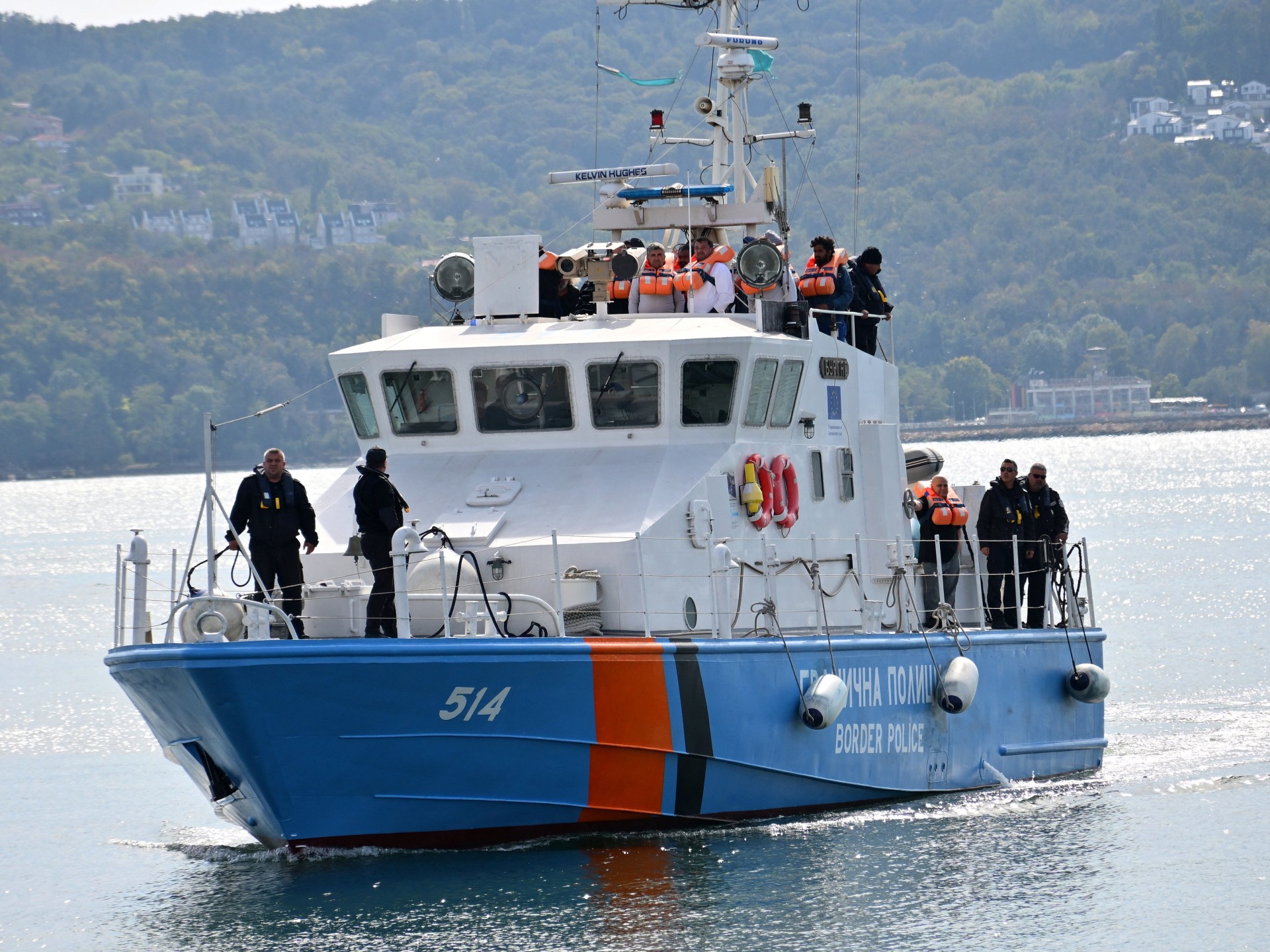
Geopolitical & Core Developments
A commercial vessel caught fire off the coast of Romania in the western Black Sea, prompting an emergency response and a formal investigation by maritime and defense authorities into whether unmanned aerial or naval drones were involved. The vessel was transiting within Romania's Exclusive Economic Zone, a strategically sensitive perimeter that borders North Atlantic Treaty Organization territory and serves as a vital thoroughfare for maritime trade entering and exiting the Danube river ports.
While crew members were reported safe following immediate intervention by Romanian search-and-rescue teams, the incident underscores the precarious operating environment across the Black Sea basin. Since the collapse of the Black Sea Grain Initiative, the littoral zone has experienced elevated naval skirmishes, electronic warfare interference, drifting naval mines, and persistent air strikes targeting port infrastructure along Ukraine's southern coastline. The prospect of drone-related disruptions spilling directly into Romanian waters represents a potential flashpoint that tests NATO's maritime surveillance capabilities and rules of engagement along its eastern flank.
Global Trade & Economic Ripples
The Black Sea remains an indispensable conduit for international food security and bulk commodity flows, transporting millions of metric tons of wheat, corn, sunflower oil, iron ore, and refined petroleum products. Any expansion of military risk toward Romanian waters directly threatens the alternative maritime corridor established by Ukraine, which relies heavily on hugging the territorial coastlines of Romania and Bulgaria to avoid hostile interception.
Following the incident, international maritime insurers are reassessing additional war risk premiums for commercial vessels navigating the north-western Black Sea. Increased operational insurance rates immediately inflate freight costs, eroding the price competitiveness of regional agricultural exports on global commodity exchanges. Furthermore, charterers and shipowners operating bulk carriers may demand higher demurrage terms or refuse transit outright, introducing logistical bottlenecks into European export channels and tightening physical supply balances for grain-importing nations across the Middle East and North Africa.
Related Intelligence: US Maritime Strikes Prompt Scrutiny Over Caribbean Security and Jurisdictional Integrity
International Reactions & Diplomatic Stances
Romanian defense officials stated that specialized units are conducting rigorous forensic inspections to determine the precise origin of the blaze, declining to rule out hostile action until physical debris and vessel telemetry are comprehensively evaluated. Officials in Bucharest reiterated their commitment to safeguarding merchant shipping within sovereign waters while coordinating closely with allied commands.
Movetogethers from NATO and Western capitals observed the situation cautiously, reaffirming that deliberate targeting of civilian merchant shipping constitutes a grave violation of maritime safety conventions. Industry advocacy groups, including the International Chamber of Shipping, repeated calls for all regional belligerents to respect the freedom of navigation and ensure non-combatant status for international merchant mariners operating in international waters.
Strategic Outlook & Future Scenarios
Looking ahead, verification of hostile drone involvement would mark a material escalation in Black Sea risk dynamics, likely prompting enhanced NATO airborne maritime patrols and mine-countermeasure operations by regional members Romania, Bulgaria, and Turkey. Commercial shipping operators must prepare for prolonged volatility, increased naval escort requests, and potential rerouting of bulk shipments toward alternate Mediterranean and terrestrial European transit links.
In the coming weeks, diplomatic focus will turn to multilateral maritime safety forums and upcoming European security deliberations. Should commercial hulls continue to face operational hazards in proximity to sovereign NATO boundaries, Western governments will face mounting pressure to expand automated demining initiatives and provide additional coastal defense guarantees to preserve global merchant shipping corridors.
Join Our Official WhatsApp Channel
Receive live commodity alerts, policy changes, and commercial intelligence directly on WhatsApp.