
US Maritime Strikes Prompt Scrutiny Over Caribbean Security and Jurisdictional Integrity
Families of Trinidadian citizens killed in US maritime strikes demand accountability as human rights bodies question the legality of maritime interdictions.
Geopolitical & Core Developments
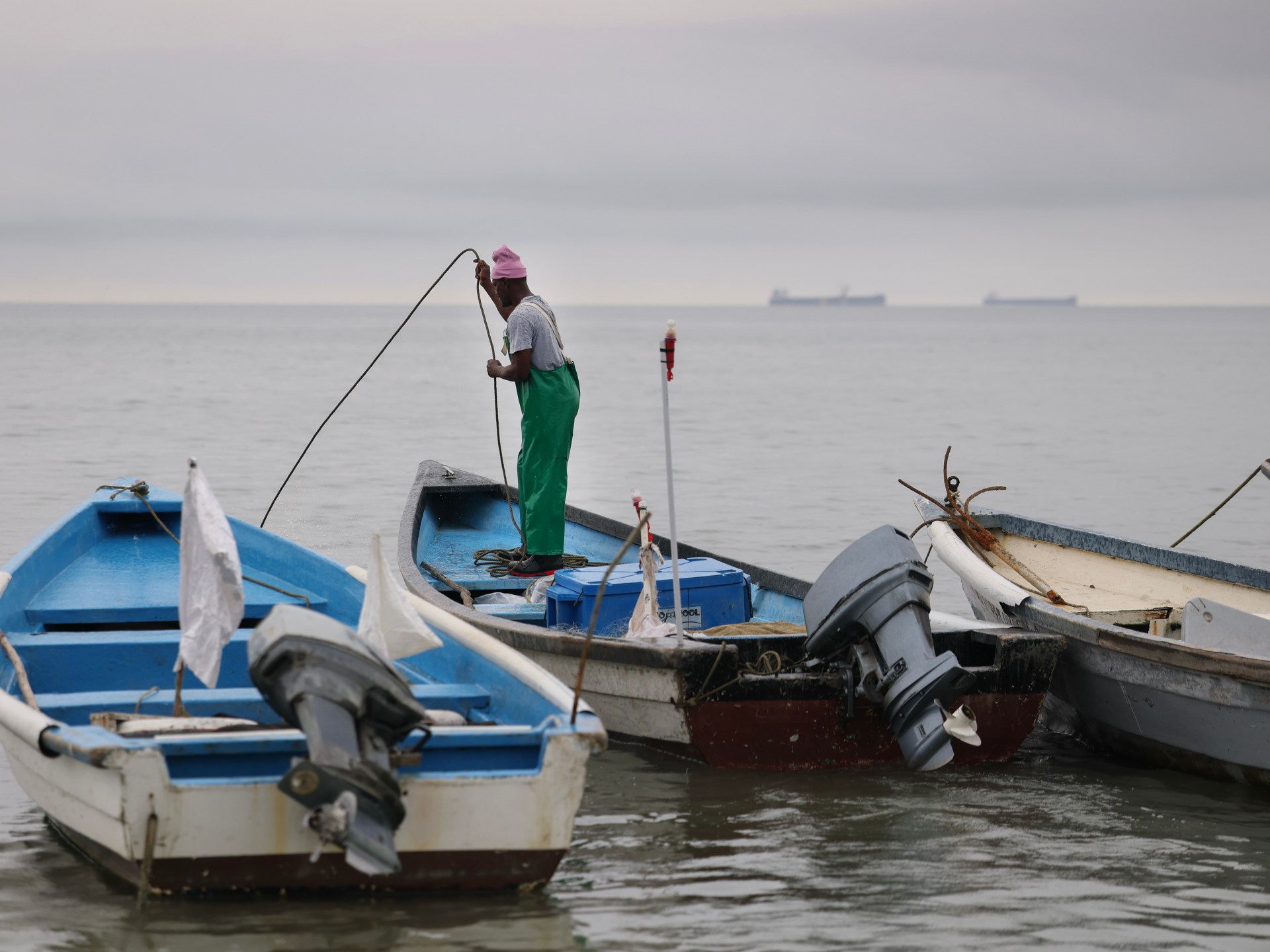
A burgeoning legal and diplomatic challenge has emerged following revelations concerning unilateral United States maritime operations that resulted in fatal strikes on foreign-flagged and regional vessels. Relatives of Trinidadian men killed in an offshore US interdiction have joined regional legal advocacy groups to demand an exhaustive inquiry into the legality of these engagements. The operations, conducted under expanded counter-narcotics and counter-smuggling mandates established during the Trump administration, are attributed to at least 239 deaths across several maritime corridors in the Caribbean Basin and eastern Pacific waters.
Legal scholars and international human rights organizations argue that several of these operations constitute extrajudicial killings occurring beyond recognized combat zones. Caribbean regional actors have historically maintained security partnerships with Washington, including shiprider agreements that permit reciprocal law enforcement actions. However, the lethal deployment of precision munitions and kinetic force against civilian-crewed craft suspected of illicit trafficking represents an escalatory doctrine. Sovereignty disputes and questions over the rules of engagement threaten to complicate diplomatic ties between Washington, Port of Spain, and neighboring Caribbean Community (CARICOM) capitals.
[Global Trade](/news/yemen-war-scenarios-houthi-red-sea-trade-impact) & Economic Ripples
While primary operations target non-state smuggling rings, the expansion of kinetic military interdictions across critical regional choke points carries commercial ramifications. The Caribbean Basin serves as a strategic transit artery connecting Gulf of Mexico refining hubs, the Panama Canal, and North Atlantic shipping routes. Heightened naval operations, unpredictable maritime boardings, and the deployment of armed unmanned systems increase maritime risk premiums for regional operators and commercial transport lines.
Regional cabotage, localized fisheries, and offshore oil and gas support vessels increasingly operate in proximity to heightened naval policing. For commercial maritime logistics providers, heightened interdiction postures necessitate enhanced transponder compliance, stricter route planning, and added insurance coverage against accidental engagements or contested boardings. Furthermore, small island developing economies in the southern Caribbean remain sensitive to supply chain volatility, given their near-total dependence on maritime food and consumer goods imports.
Related Intelligence: Pakistan and Oman Deepen Bilateral Trade and Regional Peace Efforts
International Reactions & Diplomatic Stances
International legal bodies and regional organizations have expressed mounting concern over the precedent established by kinetic maritime strikes. Representatives from the United Nations Office on Drugs and Crime (UNODC) and various UN human rights rapporteurs have reiterated that while states retain the right to combat maritime crime under the United Nations Convention on the Law of the Sea (UNCLOS), the standard for lethal force requires an imminent threat to human life that cannot be neutralized by ordinary law enforcement measures.
In Trinidad and Tobago, domestic pressure is building on the Ministry of Foreign and CARICOM Affairs to formally seek clarification and redress from the United States State Department. Regional civil society coalitions argue that smaller nations are frequently forced to subordinate their territorial integrity and citizen protections to maintain bilateral security assistance. Washington officials have consistently defended the operations as lawful defensive measures against trans-hemispheric cartels and armed criminal enterprises operating in international waters.
Strategic Outlook & Future Scenarios
The trajectory of this legal dispute will likely hinge on whether affected families can establish jurisdictional standing within US federal courts or before the Inter-American Commission on Human Rights (IACHR). If these legal challenges advance, they could mandate greater transparency around maritime rules of engagement and force legislative oversight over kinetic naval operations outside active warfare zones.
Looking ahead, CARICOM member states are anticipated to raise maritime sovereignty and the limits of cooperative security frameworks at upcoming multilateral security summits. Should the United States double down on pre-emptive interdiction doctrines during future administrations, diplomatic friction with regional partners could degrade actionable intelligence sharing. Conversely, a push toward multilateral maritime oversight could recalibrate standard operating procedures, shifting the focus back toward interdiction, custody, and judicial trial over lethal maritime strikes.
Join Our Official WhatsApp Channel
Receive live commodity alerts, policy changes, and commercial intelligence directly on WhatsApp.