
Aviation Security Failures Spotlighted After Flydubai Cockpit Attack
An attempted cockpit assault aboard a Flydubai flight highlights systemic failures in global aviation security screening and international vetting protocols.
Geopolitical & Core Developments
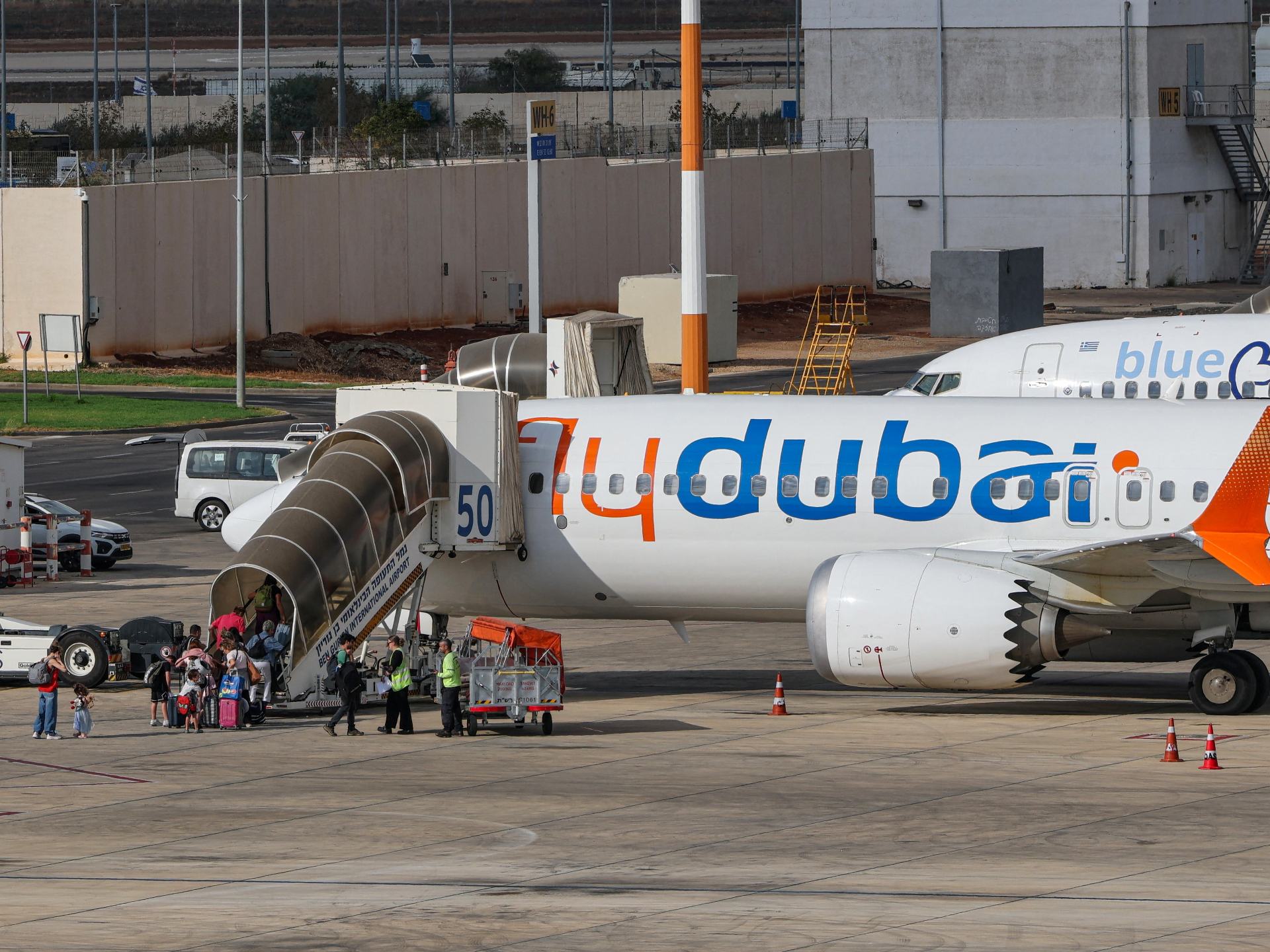
The recent incident involving an attempted axe attack aboard a Flydubai flight has sent shockwaves through the international civil aviation community, casting an unforgiving light on systemic vulnerabilities within cross-border security vetting protocols. The event, which unfolded mid-flight, thrust regulatory authorities, intelligence agencies, and commercial carriers into an urgent crisis management posture. According to preliminary investigative disclosures, the co-pilot accused of the assault had previously been flagged or deemed a security risk by certain domestic or regional observation mechanisms, yet somehow managed to bypass comprehensive operational screening filters to occupy a flight deck.
This security breakdown immediately triggered cross-border diplomatic inquiries and urgent reviews by aviation authorities in multiple jurisdictions. State actors and civil aviation ministries are now scrambling to determine how intelligence-sharing gaps allowed an individual with potential risk indicators to maintain active flight status. The timeline of the incident reveals alarming breakdowns in communication between national security databases and commercial airline human resources divisions, exposing a fragmented global security architecture that struggles to reconcile privacy laws with mandatory aviation safety imperatives.
Global Trade & Economic Ripples
While the incident did not cause an immediate disruption to global supply chains or energy commodity flows, the commercial implications for the international aviation sector are profound. Commercial aviation is a vital artery for global trade, high-value cargo logistics, and international executive mobility. Any erosion of passenger and crew confidence directly impacts carrier valuations, passenger yields, and operational bottom lines.
Insurance underwriters and marine and aviation risk syndicates are currently re-evaluating their risk models in light of insider threat vulnerabilities. Premiums for commercial carriers operating in volatile regions or utilizing complex multi-national crews could see upward pressure as underwriters factor in stricter compliance and psychological vetting mandates. Furthermore, cargo carriers sharing similar regulatory frameworks anticipate heightened scrutiny from customs and border protection agencies worldwide, potentially leading to increased turnaround times at major international freight hubs.
Related Intelligence: Flydubai Incident Sparks Intense Security and Trade Scrutiny
International Reactions & Diplomatic Stances
Official responses from multilateral aviation bodies, including the International Civil Aviation Organization (ICAO) and the International Air Transport Association (IATA), have emphasized the absolute necessity of standardizing global pilot vetting procedures. Representatives from major international labor organizations and pilot associations have voiced deep concern, calling for an immediate harmonization of mental health monitoring, background checks, and intelligence database access for commercial flight crews.
Governments across the Middle East, Europe, and Asia have initiated bilateral talks to bridge existing information silos between national intelligence agencies and civil aviation authorities. Analysts note that while international conventions strictly govern technical flight safety, human factor security remains heavily dependent on sovereign state compliance, creating dangerous regulatory loopholes that transnational carriers can inadvertently exploit.
Strategic Outlook & Future Scenarios
Looking ahead, the Flydubai incident is expected to serve as a watershed moment for global aviation security policy, likely accelerating the adoption of centralized international vetting databases. Upcoming international aviation summits will almost certainly feature emergency panels dedicated to closing regulatory loopholes regarding insider threats and psychological fitness monitoring.
Over the medium term, compliance costs for commercial airlines are projected to rise significantly as mandatory continuous vetting, biometric verification, and enhanced background checks become standard prerequisites for cockpit and cabin crews. Failure to implement these reforms could lead to unilateral airspace restrictions or targeted regulatory penalties imposed by cautious destination countries, permanently altering the landscape of international commercial aviation.
Join Our Official WhatsApp Channel
Receive live commodity alerts, policy changes, and commercial intelligence directly on WhatsApp.