
Irish Team Protests Israel in Nations League Match Amid Rising Tensions
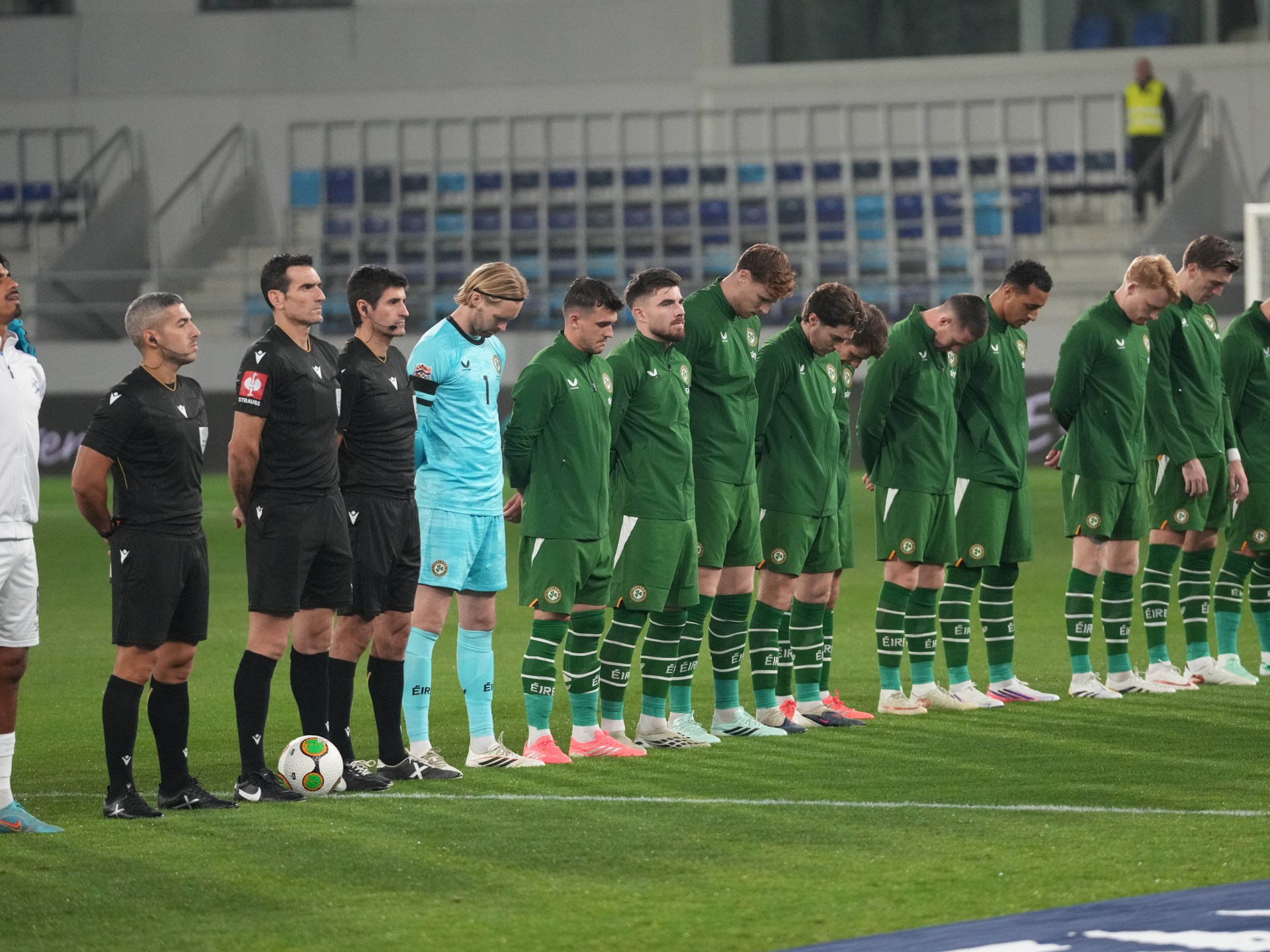
Republic of Ireland footballers staged a symbolic protest against Israel during a UEFA Nations League match, reflecting deep-seated European diplomatic divisions over the Middle East conflict.
Geopolitical & Core Developments
In an escalating convergence of international diplomacy and professional sport, the Republic of Ireland national football team executed a coordinated protest against Israel during a high-profile UEFA Nations League fixture. Players donned black armbands and deliberately declined pre-match handshakes with their Israeli counterparts, echoing wider societal and governmental anxieties regarding the ongoing military campaign in Gaza. This demonstration on the European athletic stage illustrates how sovereign political disputes increasingly permeate cultural and athletic institutions, transforming standard international sports fixtures into platforms for geopolitical expression.
The timing of the protest underscores a persistent strain in European diplomatic circles, where nations face mounting domestic pressure to signal dissent against Israeli state policy. While sports governing bodies such as UEFA traditionally enforce strict neutrality policies, athletes and national associations are finding new avenues to register moral and political positions. The refusal to engage in traditional protocol such as the pre-match handshake serves as a potent visual cue for television audiences worldwide, amplifying geopolitical grievances far beyond traditional diplomatic chambers and into mainstream public consciousness.
Global Trade & Economic Ripples
Although athletic demonstrations of this nature do not exert direct pressure on physical commodity markets or immediate supply chains, they serve as sentiment indicators for broader sociopolitical risks that multinational corporations must navigate. Global trade routes, particularly across the Eastern Mediterranean and the broader Middle East, remain highly sensitive to regional instability. While energy markets, shipping lanes, and agricultural commodities have largely priced in the immediate physical risks of the ongoing conflict, heightened diplomatic friction between European states and Israel introduces intangible risks for cross-border investments and corporate partnerships.
Furthermore, multinational enterprises operating within consumer-facing sectors increasingly contend with reputational risks tied to geopolitical alignments. As cultural boycotts and symbolic protests gain traction among public figures and civic organizations, corporate boards must carefully assess their exposure to polarizing international events. While direct impacts on currency values or commodity pricing remain negligible from this specific sporting event, the cumulative effect of sustained civil and institutional friction contributes to an unpredictable operating environment for international trade.
Related Intelligence: UK Green Party Zionism Motion Sparks Diplomatic Crisis and Trade Friction
International Reactions & Diplomatic Stances
The symbolic actions of the Irish squad have elicited a polarized spectrum of international responses, reflecting the deep global divide over the Middle East crisis. Domestic civil society groups and human rights organizations in Ireland lauded the players for utilizing their platform to highlight humanitarian concerns. Conversely, sporting authorities and international bodies navigated a delicate communications tightrope, attempting to balance free expression principles with statutory mandates to keep political ideology separate from athletic competition.
Diplomatic missions from various European capitals have monitored these cultural friction points closely, recognizing that public sentiment heavily influences legislative debates concerning arms exports, trade agreements, and bilateral aid allocations. While multilateral institutions like the United Nations continue to focus on ceasefire negotiations and humanitarian aid access, grassroots actions by prominent public figures maintain sustained pressure on political leaders to reevaluate their foreign policy postures toward the region.
Strategic Outlook & Future Scenarios
Looking ahead, the intersection of international sports and geopolitical protest is poised to intensify as upcoming international tournaments approach. Governing bodies like UEFA and FIFA face mounting challenges in enforcing neutrality guidelines without alienating national associations or suppressing legitimate human rights discourse. As diplomatic stances harden across Europe and the Middle East, commercial entities and trade analysts must factor sociopolitical volatility into their long-term strategic forecasts, anticipating further symbolic and economic fallout from protracted global conflicts.
Join Our Official WhatsApp Channel
Receive live commodity alerts, policy changes, and commercial intelligence directly on WhatsApp.