
Brazil's High-Stakes Election Heads to Crucial Run-Off Amid Economic Uncertainty
Brazil faces a decisive presidential run-off on October 25 as incumbent leadership and the Bolsonaro faction lock in a fiercely contested race, sending ripples through global commodity and currency markets.
Geopolitical & Core Developments
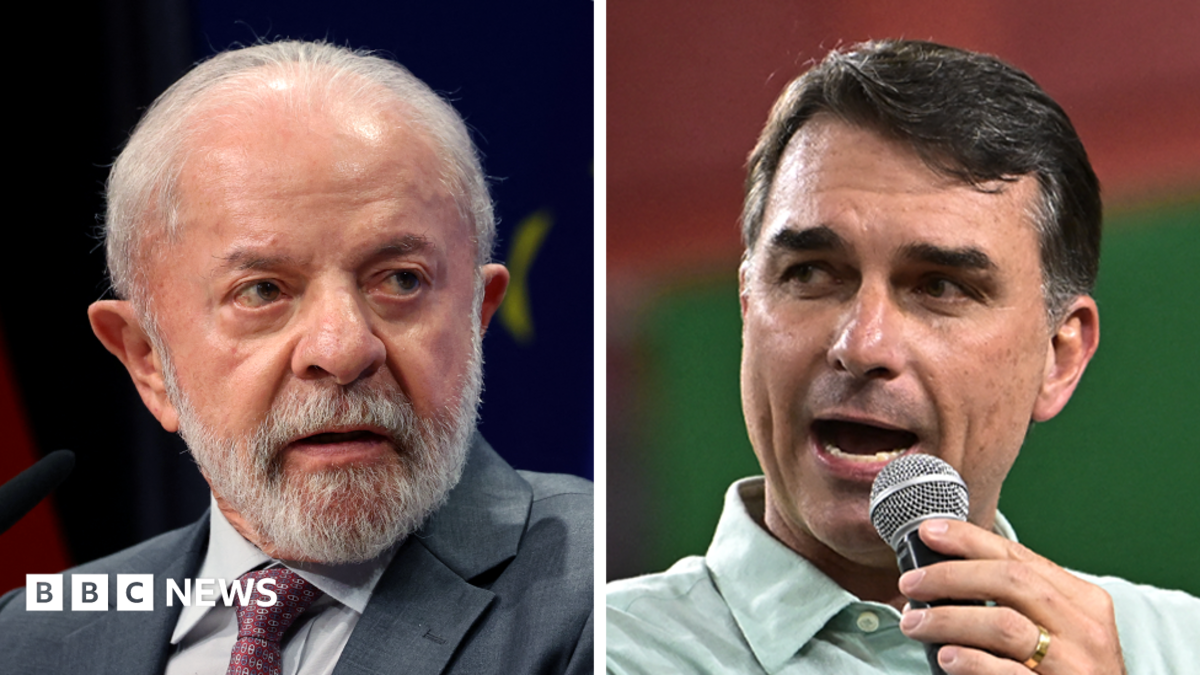
Brazil stands at a critical political crossroads as polls close in a deeply polarized general election, pitting incumbent forces against the nationalist-conservative movement spearheaded by the Bolsonaro family. With neither contender securing the mandatory 50 percent plus one vote required for an outright victory in the first round, the electoral authority has officially confirmed a high-stakes run-off scheduled for October 25. This democratic exercise underscores the nation's profound ideological division, balancing progressive state-led economic interventionism against free-market deregulation and nationalist realignment.
The campaign trail has been defined by fierce debates over institutional integrity, environmental governance in the Amazon basin, and social welfare programs. State actors across Latin America and major Western capitals are closely monitoring the procedural integrity of the vote, recognizing that Brazil's democratic resilience servesas a barometer for regional stability. As the candidates pivot toward the final electoral sprint, coalition-building and strategic alliances with eliminated centrist factions will dictate the trajectory of the upcoming weeks, transforming the final ballot into a referendum on governance, corruption, and national identity.
Global Trade & Economic Ripples
Beyond domestic political calculations, the Brazilian electoral deadlock carries profound implications for global commodity markets and international trade networks. As a agricultural superpower and a dominant exporter of soybeans, iron ore, beef, and cellulose, any shift in regulatory oversight or trade policy directly impacts global supply chains. Traders in Chicago and London are closely evaluating how a potential change in administration could alter environmental compliance standards, export tariffs, and bilateral trade agreements with key partners including China, the United States, and the European Union.
Furthermore, currency markets have registered heightened volatility, with the Brazilian real experiencing speculative pressures amid uncertainty regarding future fiscal discipline and public spending caps. Energy markets are similarly attuned to the outcome, particularly concerning the strategic direction of state-controlled oil giant Petrobras. Investors are weighing the risk of interventionist pricing policies against market-driven energy strategies, which could influence foreign direct investment inflows and long-term capital expenditure across South America's largest economy.
Related Intelligence: Brazil Presidential Showdown Grips Global Markets and Geopolitics
International Reactions & Diplomatic Stances
International observers, multilateral financial institutions, and foreign ministries have maintained a watchful posture as election results materialize. Representatives from the United Nations and regional bodies have praised the peaceful conduct of voters while emphasizing the importance of transparent electoral processes. Meanwhile, major trading partners in North America, Europe, and Asia are preparing for divergent foreign policy postures depending on the final victor.
Market analysts and global investment banks have issued advisory notes warning clients of potential short-term asset price turbulence. Financial analysts stress that foreign investors will prioritize fiscal credibility, debt sustainability, and regulatory predictability above all else. Multilateral lenders remain poised to engage constructively with the eventual winner, though diplomatic engagement on climate commitments and Amazonian preservation will remain a central point of international dialogue regardless of the electoral outcome.
Strategic Outlook & Future Scenarios
As Brazil transitions into the final three-week campaign window leading up to the October 25 run-off, political maneuvering will intensify across all fronts. Both political camps are expected to recalibrate their messaging to capture undecided voters in key urban centers and agricultural heartlands. The upcoming debates and televised confrontations will serve as critical battlegrounds for swaying public opinion and addressing crucial vulnerabilities regarding inflation, employment, and public security.
Over the medium term, the incoming administration will face immediate structural challenges, including managing national debt levels, navigating shifting geopolitical alignments within BRICS, and negotiating complex trade frameworks such as the stalled Mercosur-EU agreement. Geopolitical strategists emphasize that Brazil's positioning as a non-aligned diplomatic heavyweight will continue to give it substantial leverage on the global stage, making the resolution of this electoral contest a pivotal event for international commerce and multilateral diplomacy well into the next decade.
Join Our Official WhatsApp Channel
Receive live commodity alerts, policy changes, and commercial intelligence directly on WhatsApp.