
Asian Games Closure Highlights Regional Shifts and Supply Chain Pressures
The conclusion of the Aichi-Nagoya Asian Games in Japan highlights regional diplomatic dynamics and industrial supply chain realities across international markets.
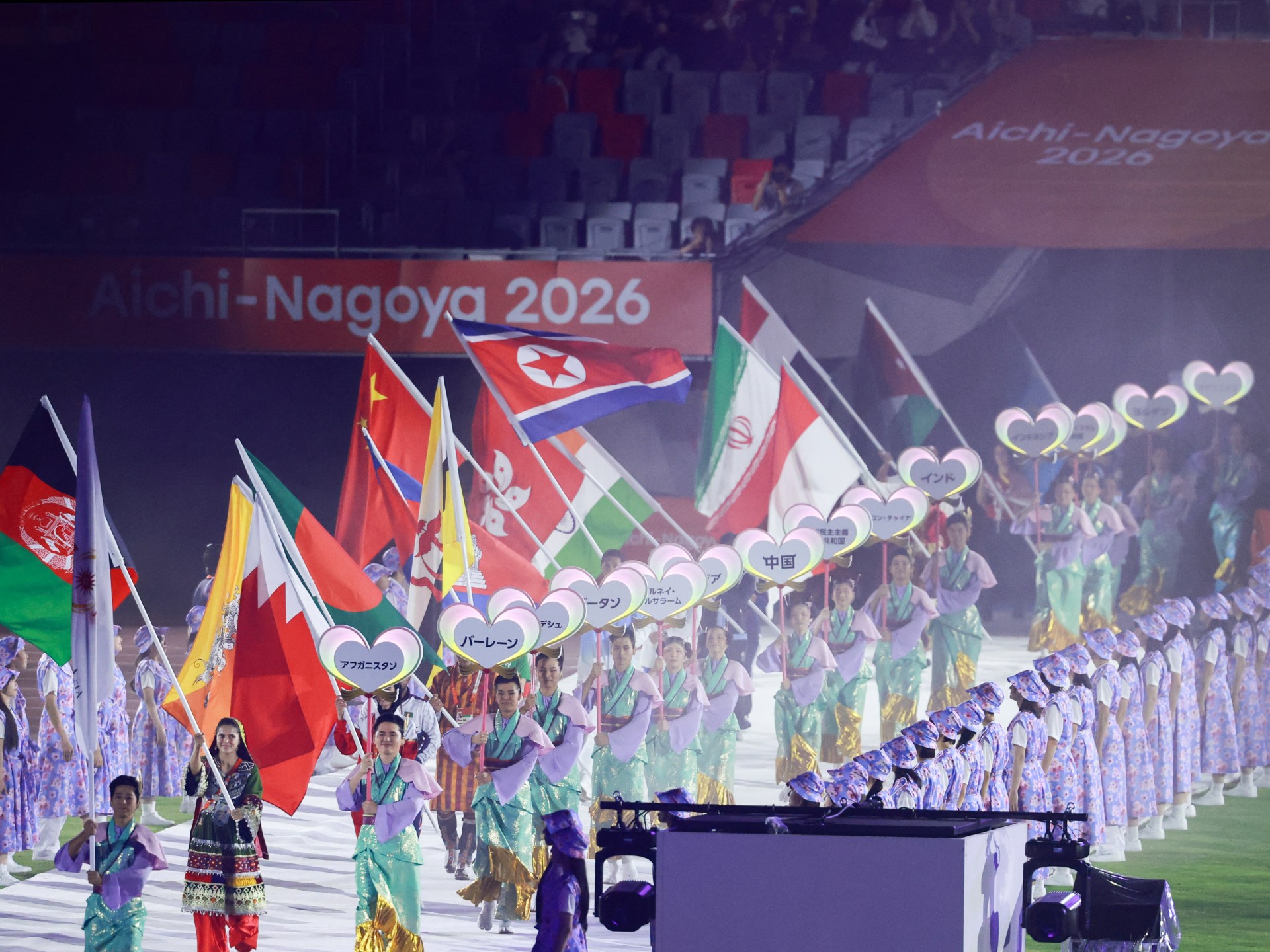
Geopolitical & Core Developments
The formal conclusion of the Asian Games in Japan's Aichi-Nagoya region marks the end of a complex two-week continental competition that brought together approximately 17,000 athletes from across Asia. While the athletic triumphs of a new generation of teenage competitors dominated the sporting headlines, the underlying narrative was defined by profound organizational chaos and logistical strain. Hosted across multiple decentralized venues in the Chubu industrial heartland, the event tested the municipal and national administrative capacities of the host nation.
From a strategic perspective, mega-sporting events in East Asia have increasingly served as barometers of national prestige, technological readiness, and diplomatic engagement. The Aichi-Nagoya organizing committee faced severe hurdles ranging from transport bottlenecks to coordination failures among regional stakeholders. For Tokyo, the games provided an arena to project soft power and reinforce multilateral ties within the Indo-Pacific, even as domestic critics scrutinized ballooning budgets and administrative missteps. State actors across the continent closely monitored the event, recognizing that the logistical framework required to host 17,000 competitors mirrors the complex supply chain orchestration demanded by modern transnational trade.
Global Trade & Economic Ripples
Beyond the stadiums, the concentration of global attention on Aichi-Nagoya reverberated through regional commercial corridors and commodity markets. Aichi Prefecture is the industrial and manufacturing engine of Japan, serving as the global headquarters for heavy industries, automotive giants, and advanced robotics firms. The influx of international delegations, media personnel, and visitors created temporary spikes in local service economies, hospitality demand, and urban energy consumption.
However, the logistical friction experienced during the games offered a cautionary tale for international commerce. Analysts drawing parallels between the organizational missteps and regional supply chain vulnerabilities noted that unexpected bottlenecks in transportation and administrative clearance can severely disrupt just-in-time manufacturing networks. Shipping lanes, regional freight forwarding, and raw material logistics into the Chubu hub experienced periodic adjustments to accommodate security protocols and visitor surges. Furthermore, the capital expenditure required for infrastructure upgrades, security enhancements, and venue construction has reignited domestic debates regarding the cost-benefit analysis of hosting international mega-events against the backdrop of fluctuating currency values and persistent inflationary pressures across the G7 economies.
Related Intelligence: Brazil's High-Stakes Presidential Clash Threatens Global Commodity Markets
International Reactions & Diplomatic Stances
International bodies, diplomatic missions, and economic analysts offered mixed assessments of the Aichi-Nagoya games. Representatives from the Olympic Council of Asia praised the resilience of participating delegations and the unifying spirit of the youth, while acknowledging the severe administrative teething problems that plagued the early stages of the competition. Trade analysts and foreign chambers of commerce in Tokyo focused heavily on the infrastructural execution, viewing the event as a stress test for Japan's regional infrastructure and labor market capacity amid an ongoing demographic crunch.
Multilateral bodies monitoring regional stability emphasized that such high-profile gatherings play a vital secondary role in facilitating bilateral dialogues on the sidelines of official athletic functions. Several trade delegations utilized the diplomatic visibility of the games to initiate preliminary talks concerning cross-border digital trade standards, semiconductor supply chain resilience, and regional energy security frameworks. Nevertheless, financial markets remained cautious, noting that while the event boosted short-term tourism revenues, it did little to alter the fundamental macroeconomic challenges facing the broader East Asian trade ecosystem.
Strategic Outlook & Future Scenarios
As the delegations depart Aichi-Nagoya and the focus shifts toward upcoming international summits, the legacy of these Asian Games will be evaluated through both sporting and commercial lenses. Regional planners are already reviewing the operational failures to extract critical lessons for future mega-events, notably upcoming international expositions and championships scheduled across the Indo-Pacific.
For global commodity traders and geopolitical strategists, the key takeaway lies in the intersection of operational resilience and infrastructure scalability. As nations in the region pivot toward enhanced economic security, supply chain diversification, and technological autonomy, the ability to manage complex, multi-stakeholder logistical undertakings will remain a core determinant of national competitiveness. The coming quarters will test whether the lessons learned in Aichi-Nagoya translate into more robust administrative frameworks for regional trade and diplomatic engagement.
Join Our Official WhatsApp Channel
Receive live commodity alerts, policy changes, and commercial intelligence directly on WhatsApp.