
Flydubai Flight FZ1073 Plunge Shakes Regional Aviation Markets
An in-depth analysis of the terrifying 16,000-foot plunge of flydubai flight FZ1073 following a cockpit security breach, examining commercial, economic, and regional aviation safety implications.
The Core Development
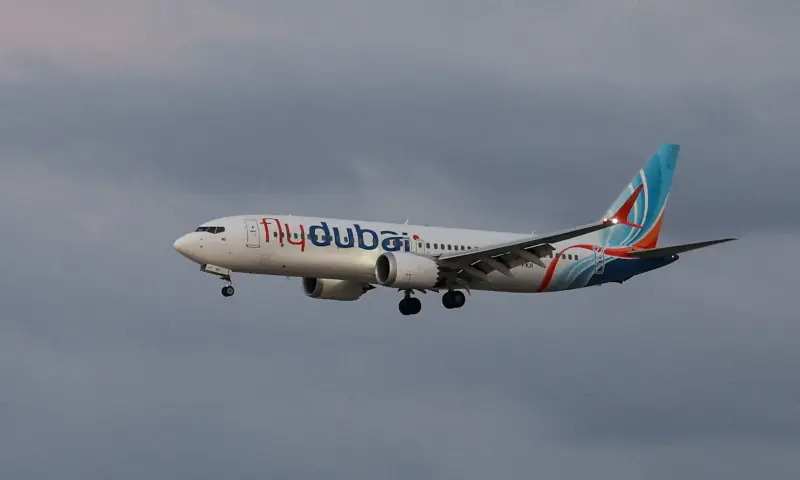
On Wednesday, flydubai flight FZ1073, operating a Boeing 737 MAX 8 aircraft bound for Israel from Dubai, experienced a catastrophic security breach inside the cockpit that resulted in a sudden 16,000-foot plunge within roughly 30 seconds. According to aviation expert and simulator operator Alberto Paduanelli of ALPA Simulation, the rapid descent simulated for Reuters replicated what would have felt like a terrifying 'vertical roller coaster' for the passengers and crew on board. The extreme maneuver exerted immense structural G-force strain upon the airframe before the flight crew managed to level the aircraft and execute a safe landing.
The United Arab Emirates prosecutor general officially classified the incident on Saturday as a terrorist attack, revealing that the co-pilot had assaulted the captain using an emergency crash axe mid-flight. This unprecedented security failure within a commercial cockpit has sent shockwaves through international civil aviation authorities, prompting immediate scrutiny of flight deck security protocols, psychological screening processes for commercial pilots, and emergency cockpit access procedures across Middle Eastern carriers.
Commercial & Economic Implications
While the direct operational route of flight FZ1073 connects Dubai and Israel, the ramifications of this security incident extend deeply into the broader Middle Eastern and South Asian aviation and trade corridors, significantly impacting regional carriers such as flydubai and Emirates. For economies heavily reliant on seamless air connectivity for trade, corporate mobility, and supply chain logistics—including Pakistan—any heightened security protocols translate directly into increased operational overheads, tighter regulatory compliance costs, and potential insurance premium adjustments for regional airline fleets.
Furthermore, investor sentiment regarding aviation stocks and regional transport infrastructure faces short-term volatility. Wholesale distributors and retail supply chains relying on passenger belly-cargo capacity between the Gulf and South Asia monitor these developments closely, as tightening security mandates or potential flight path reviews could introduce friction into cross-border trade movements and commercial logistics pricing.
Related Intelligence: Inside the Red Sea Kill Box: Yemenis Trapped Amid Houthi Escalation
Stakeholder Perspectives & Market Reactions
International trade bodies, pilot associations, and regulatory watchdogs have expressed profound concern over the breach of standard operating procedures within a secure flight deck. Industry associations are urgently calling for standardized psychological evaluations and enhanced biometric access controls to prevent unauthorized cockpit interference. Legal and aviation experts point out that classifying the event as a terrorist act shifts the liability and regulatory oversight framework significantly, potentially triggering a sweeping review of bilateral air service agreements involving UAE carriers.
Public response across global aviation forums has been mixed, with frequent flyers expressing alarm over insider threats within commercial aviation. Meanwhile, official statements from flydubai emphasize full cooperation with ongoing federal investigations while reassuring stakeholders regarding the robust emergency response demonstrated by the flight crew in stabilizing the aircraft.
Forward Outlook & Key Watchpoints
In the coming weeks, global aviation regulators, including the International Civil Aviation Organization (ICAO), are expected to issue stringent guidance regarding cockpit security and crew vetting procedures. Key watchpoints for market analysts and industry observers include the final findings of the UAE prosecutor general's investigation, potential alterations to Boeing 737 MAX 8 operational security directives, and any compensatory or insurance-related adjustments affecting flydubai's commercial balance sheet. Enforcement of stricter interior security policies will likely shape the future landscape of commercial aviation across the region.
Join Our Official WhatsApp Channel
Receive live commodity alerts, policy changes, and commercial intelligence directly on WhatsApp.