
Iran Enriched Uranium Stockpiles Complicate Indirect Negotiations with United States
Iran's expanding stockpile of highly enriched uranium has resurfaced as a crucial obstacle in diplomatic efforts to de-escalate Middle Eastern tensions and revive multilateral nuclear dialogue.
Geopolitical & Core Developments
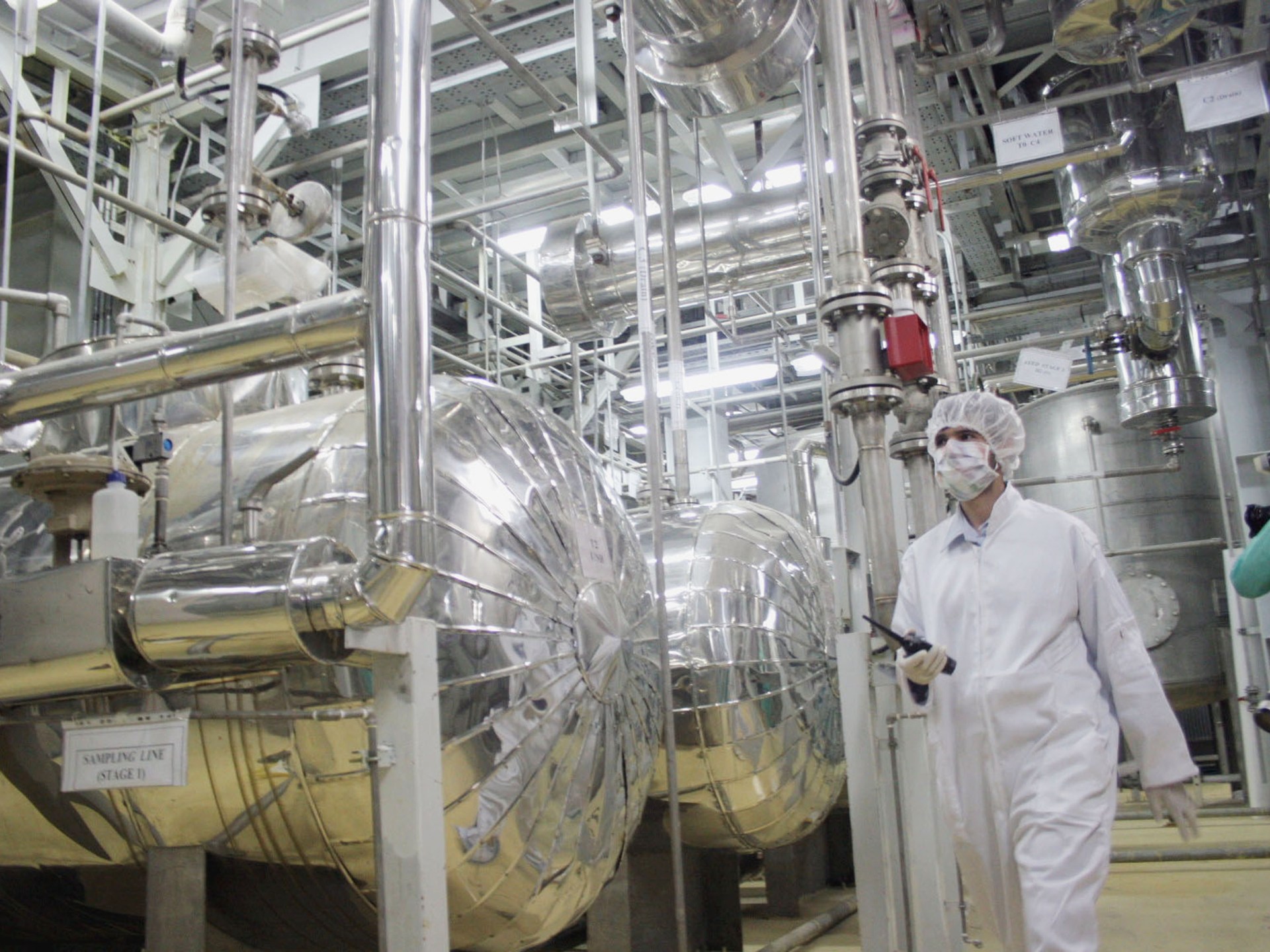
Indirect diplomatic discussions between the United States and Iran have hit a critical juncture as the Islamic Republic's growing stockpile of enriched uranium re-emerges as the primary sticking point. Amid a concerted regional push to de-escalate broader hostilities in the Middle East, Western negotiators are conditioning sanctions relief and regional security assurances on concrete rollbacks of Tehran's nuclear program.
According to findings by the International Atomic Energy Agency (IAEA), Iran's accumulation of uranium enriched up to 60 percent purity—a short technical step from the 90 percent threshold required for weapons-grade material—has reached unprecedented levels. Washington and its European allies argue that any diplomatic roadmap seeking regional stability must resolve the breakout capacity afforded by these stockpiles. Iranian negotiators maintain that nuclear developments are sovereign, non-negotiable rights and insist that comprehensive sanctions relief must precede any reduction in enrichment levels or technical containment measures.
Global Trade & Economic Ripples
The impasse in negotiations continues to cast a long shadow over global energy corridors and maritime trade. The Strait of Hormuz, through which roughly one-fifth of global petroleum supplies navigate, remains vulnerable to heightened military alertness whenever diplomatic pathways stall. Global benchmark crude prices, including Brent and West Texas Intermediate (WTI), continue to price in an active geopolitical risk premium driven by the ambiguity surrounding potential Iranian oil export crackdowns.
Should the stalemate lead to heightened US enforcement of existing crude sanctions, approximately 1.5 million barrels per day of Iranian crude currently flowing into secondary markets—predominantly independent refineries in Asia—could face interdiction. Such supply constraints would tighten heavy sour crude markets, forcing international refiners to recalibrate feedstocks and inflating maritime insurance rates across Persian Gulf shipping lanes. Additionally, prolonged uncertainty risks further disruption to critical supply chains running through the Red Sea and surrounding waterways.
Related Intelligence: Jamaat-e-Islami Announces Nationwide Protest Campaign Against Surging Petroleum Levies
International Reactions & Diplomatic Stances
Western powers have reiterated their unified front regarding non-proliferation thresholds. State Department officials affirmed that the United States will not tolerate a nuclear-armed Iran, urging Tehran to cooperate fully with IAEA inspection mandates. Diplomats from France, Germany, and the United Kingdom have warned that Iran's current trajectory severely undermines the viability of resurrecting the 2015 Joint Comprehensive Plan of Action (JCPOA) framework.
Conversely, Iranian state officials state that nuclear advances reflect calculated counter-measures against prolonged economic embargoes. Regional intermediaries, including Oman and Qatar, continue shuttle diplomacy to prevent a total collapse of dialogue, cautioning that absent a technical compromise on uranium stocks, broader efforts to secure regional ceasefires and normalization agreements will remain structurally compromised.
Strategic Outlook & Future Scenarios
The trajectory of the standoff depends on near-term multilateral engagements. Should Tehran agree to dilute or ship out its 60 percent enriched inventory under verified international monitoring, diplomatic space could open for phased sanctions waivers, unlocking liquidity and stabilizing energy pricing.
However, a failure to bridge the divide before the next IAEA Board of Governors session could prompt Western nations to trigger the 'snapback' mechanism, re-imposing all prior United Nations Security Council resolutions against Iran. Such an outcome would dismantle remaining diplomatic guardrails, likely accelerating regional nuclear hedging and cementing high insurance premiums across global maritime trade routes for the foreseeable future.
Join Our Official WhatsApp Channel
Receive live commodity alerts, policy changes, and commercial intelligence directly on WhatsApp.