
Zelensky Courts European Backing Amid Strained Washington Ties and Aid Uncertainty
President Volodymyr Zelensky rallied European Union leaders in Brussels to secure sustained geopolitical and financial backing, navigating rising diplomatic friction and aid hesitancy within Washington.
Geopolitical & Core Developments
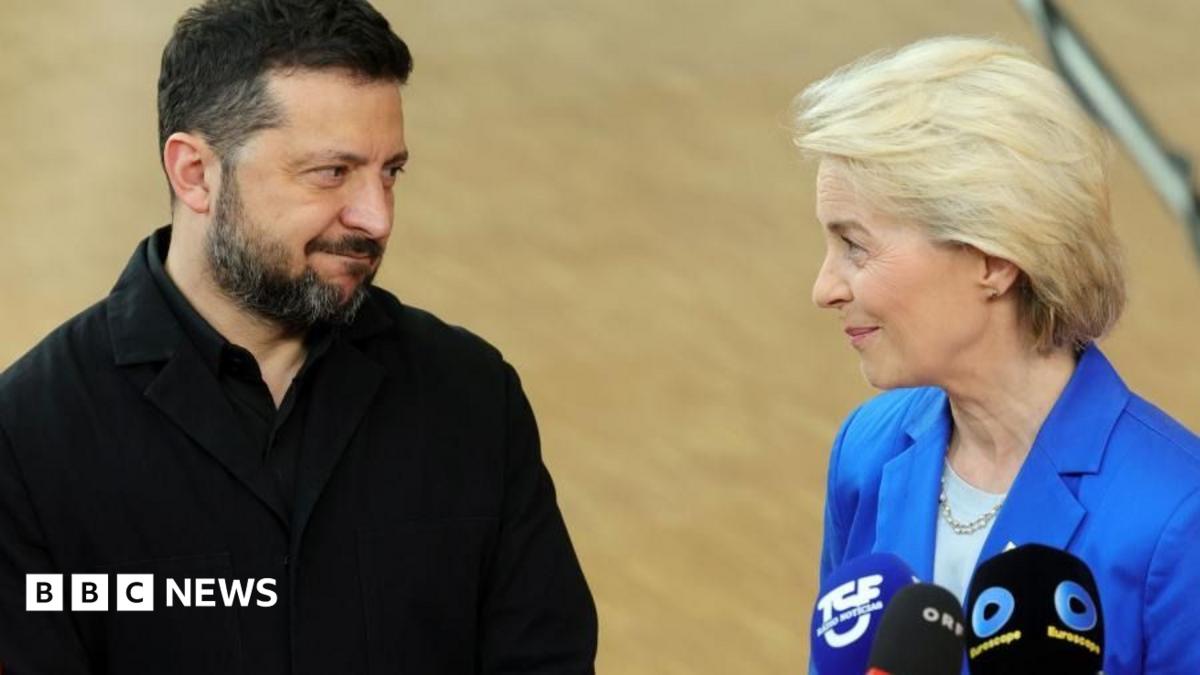
Ukrainian President Volodymyr Zelensky arrived in Brussels for high-stakes deliberations with European Union heads of state, underscoring a pivotal juncture in Ukraine's diplomatic campaign to preserve Western coalition cohesion. The summit follows a series of pointed public interventions in which Zelensky lauded European partners as 'real leaders' who maintain steadfast resolve, a remark widely interpreted by diplomatic observers as a thinly veiled critique of mounting political gridlock and shifting sentiment in Washington.
Tensions between Kyiv and factions within the United States political apparatus have become increasingly pronounced. Delays in legislative appropriation packages, coupled with skepticism regarding long-term fiscal transparency and strategic endgames, have raised concerns over the durability of American security commitments. In response, Kyiv has sought to frontload engagement with European powers, demanding long-term bilateral security frameworks, expedited deliveries of critical air defense assets, and accelerated pathways toward EU accession. The strategic stakes remain existential for Ukraine, as frontline attrition tests troop reserves and domestic infrastructure faces continuous targeting, necessitating an uninterrupted logistical conduit that only a fully aligned transatlantic alliance can sustain.
Global Trade & Economic Ripples
The deepening unpredictability surrounding Ukraine's funding mechanisms carries immediate reverberations across international commodity markets and commercial trade routes. European benchmark natural gas prices have exhibited renewed sensitivity to geopolitical developments, as traders recalibrate risk premiums linked to ongoing transit infrastructure vulnerabilities in Eastern Europe. Any disruption or deterioration in Ukraine's defense posture elevates systemic operational risks for remaining regional pipelines and downstream storage facilities.
Simultaneously, agricultural trade remains heavily exposed. Ukraine continues to serve as an indispensable exporter of wheat, corn, and sunflower oil via the Black Sea maritime corridor and Danube riverine channels. Persistent warfare and diplomatic divergence heighten the threat of aggressive maritime interdiction, directly impacting global grain availability and inflating ocean freight insurance rates for bulk carriers. The broader macroeconomic environment faces compounding headwinds: European sovereigns are confronted with the dual pressure of expanding sovereign defense outlays while absorbing substantial multilateral financial pledges to support Kyiv's fiscal balance sheet, weighing on broader fiscal consolidation across the eurozone.
International Reactions & Diplomatic Stances
Multilateral institutions and sovereign capitals have presented divergent viewpoints amid this shifting diplomatic landscape. In Brussels, European Council leadership reiterated unconditional backing for Ukraine's territorial integrity, emphasizing that European stability remains indivisible from Kyiv's sovereignty. High-ranking EU diplomats emphasized that financial assistance facilities are designed to operate independently of external political fluctuations, reaffirming plans to allocate sovereign assets and dedicated budgetary tranches to ensure Ukrainian state continuity.
Conversely, in Washington, the discourse has polarized. While the executive branch continues to advocate for decisive appropriations to thwart Russian expansionism, congressional resistance has intensified around audit mandates, debt ceiling pressures, and broader strategic pivots toward the Indo-Pacific theatre. Analysts at leading international policy institutes observe that this friction reflects a structural transition: the era of uncontested, blank-check Western aid is receding, replaced by transactional negotiations requiring rigorous oversight, measurable outcomes, and higher burden-sharing by European nations.
Strategic Outlook & Future Scenarios
The trajectory of the conflict will depend substantially on the outcomes of forthcoming diplomatic summits, including high-level NATO ministerial engagements and European Council budget sessions. A baseline scenario envisions European capitals progressively assuming a larger proportion of direct financial support, establishing autonomous European defense funds to cushion potential reductions in United States material flows.
However, a prolonged drawdown in transatlantic defense coordination would present significant escalation points. A reduction in Western armaments supply risks shifting tactical advantages along the eastern frontline, encouraging harder diplomatic stances from Moscow and undermining proposed multilateral peace frameworks. As international stakeholders assess the balance between fiscal sustainability and regional security guarantees, the coming quarters will determine whether European strategic autonomy can adequately offset political volatility across the Atlantic.
Join Our Official WhatsApp Channel
Receive live commodity alerts, policy changes, and commercial intelligence directly on WhatsApp.